Portuguese
  Spanish




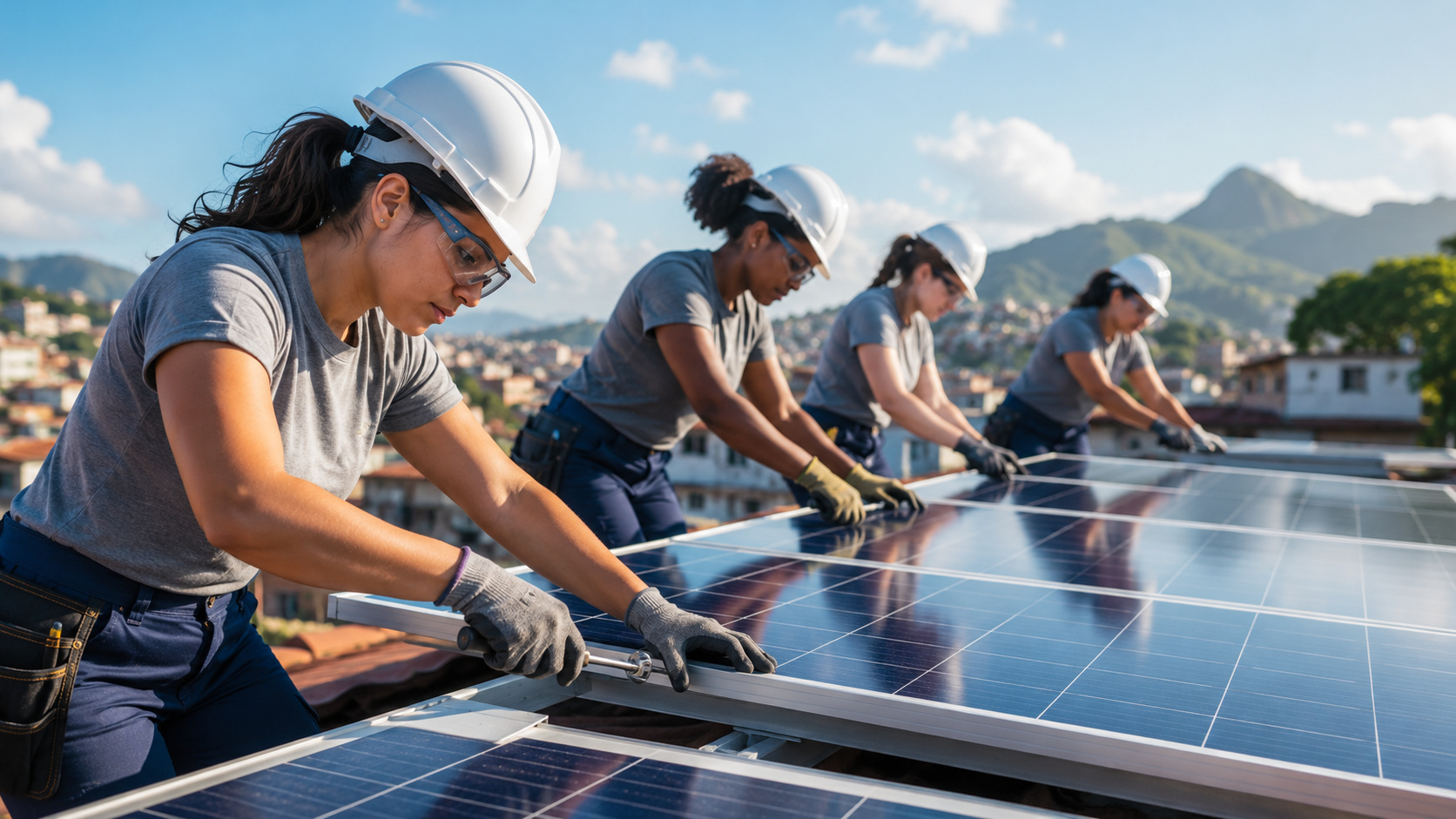
The expansion of solar energy in Minas Gerais has transformed the state into one of the largest Brazilian hubs in this sector. According to the site Itatiaia, in a report published in 2024, Minas consolidated its position by increasing the number of photovoltaic plants and encouraging industrial companies to adopt their own generation systems.
This movement gained momentum due to the growing demand for cost reduction, energy security, and sustainable practices. Furthermore, the integration of solar energy into the industrial routine of Minas shows how public policies, technological evolution, and economic demands go hand in hand in the state.
The advancement did not happen by chance. It results from government decisions, private investments, and a history that began decades ago. Minas Gerais became a reference because it built a consistent policy aligned with long-term goals and global energy transition.
-
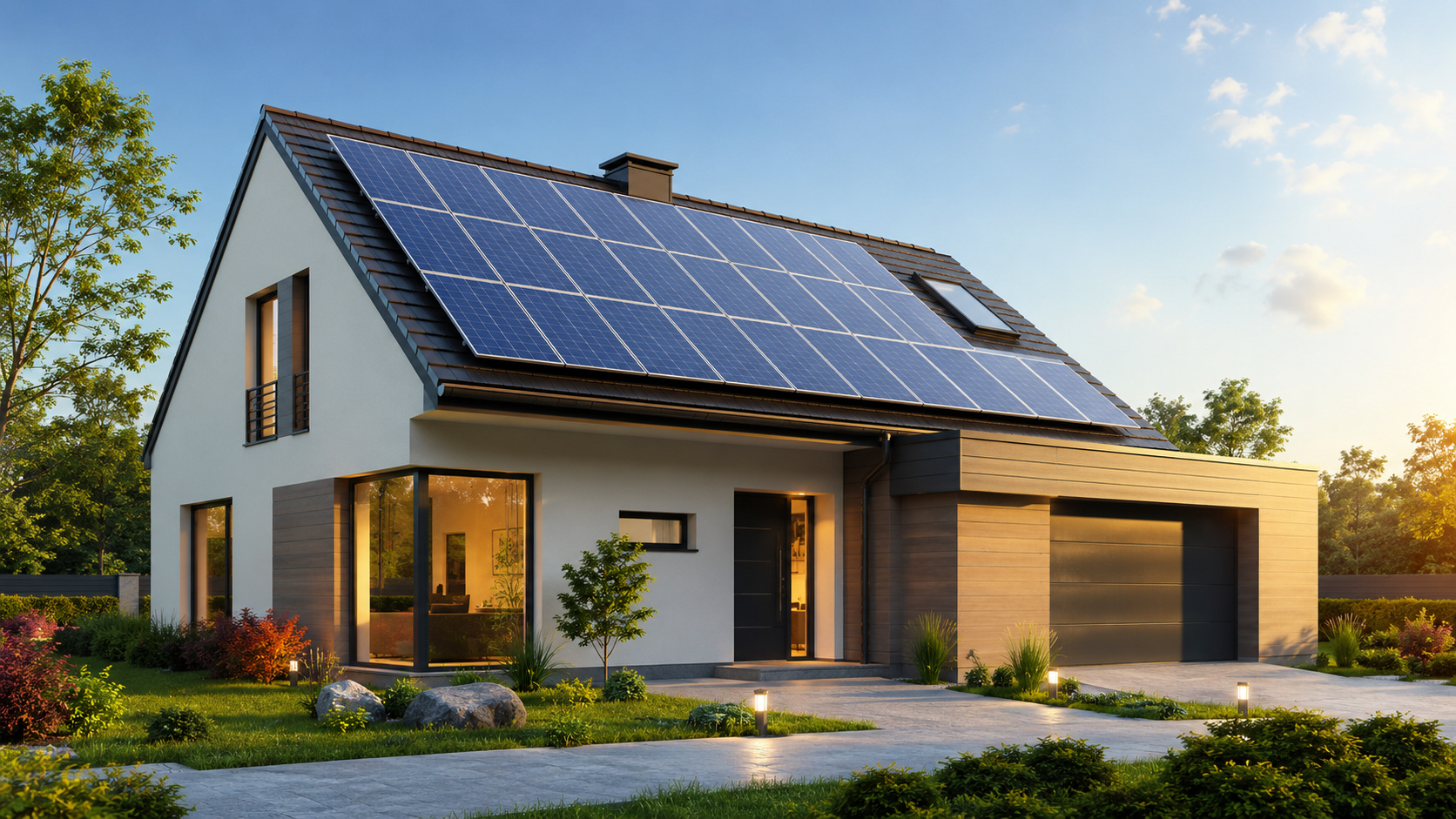
Solar energy can increase property value by up to 10% and become a selling point.

-
Solar and wind energy surpass natural gas for the first time in the world and accelerate energy revolution

-
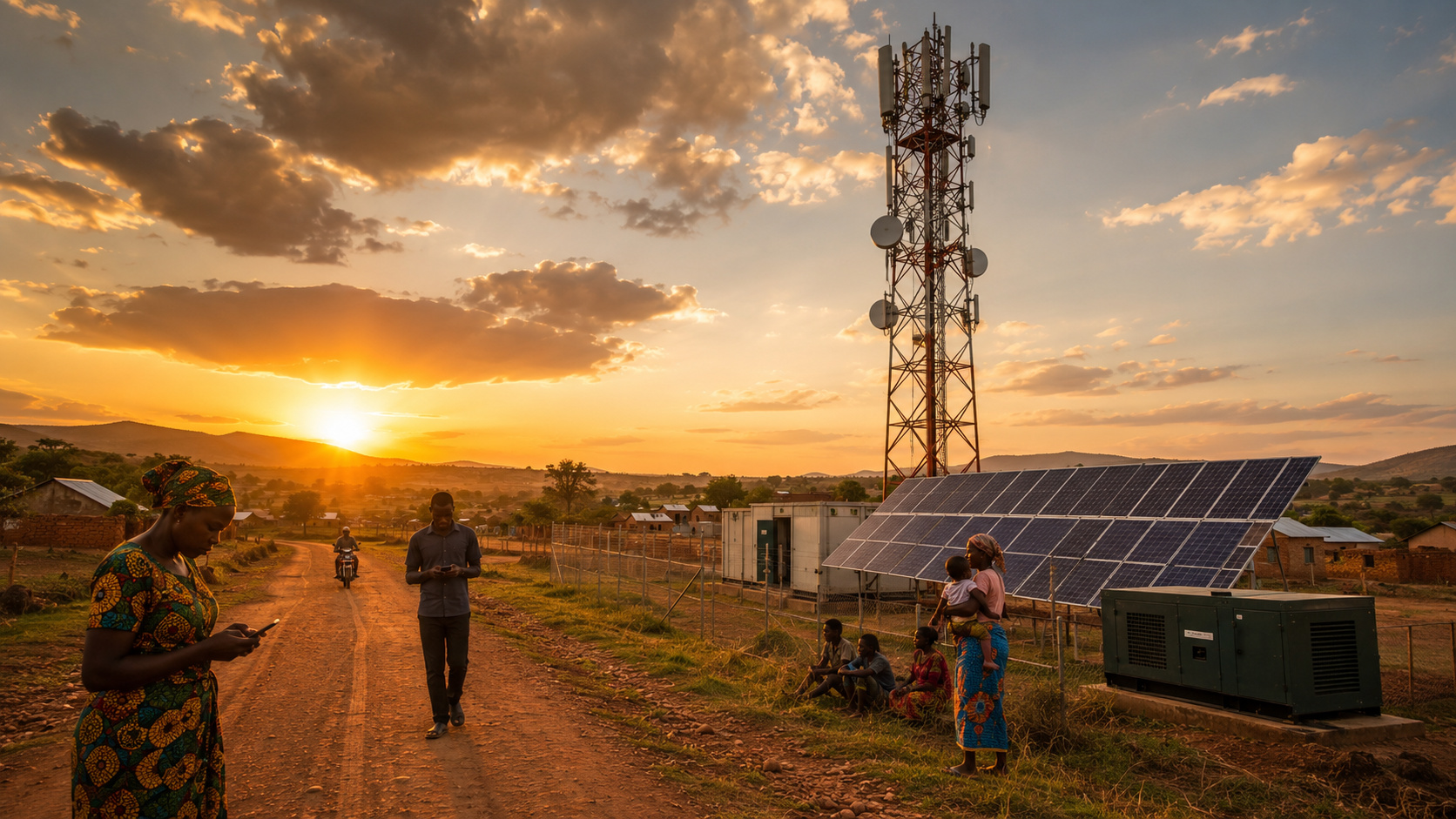
Africa has about 500,000 cell towers and most still burn diesel to operate, while companies rush to cover antennas with solar energy and avoid signal blackouts.
-
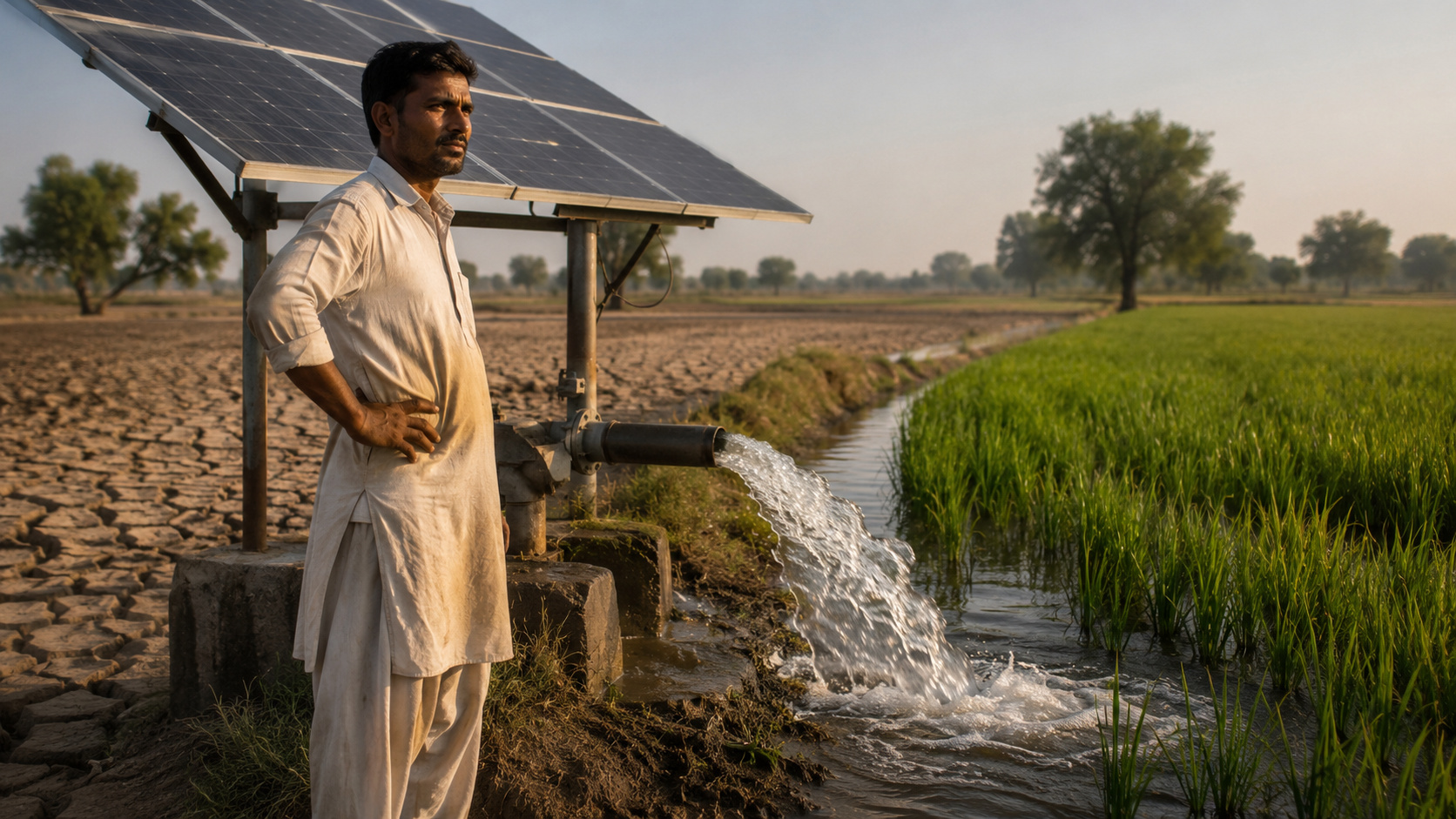
Farmers swapped diesel for solar panels in Pakistan, powered irrigation pumps almost cost-free, expanded rice fields, and now groundwater has become a red alert in the countryside.

The Historical Construction of Minas Leadership
The growth of solar energy in Minas began to gain prominence after 2012, when the Federal Government regulated distributed generation through Resolution 482 of Aneel. Since then, companies in Minas have installed photovoltaic systems more easily. Thus, the state advanced faster than others because it already had a favorable local regulatory structure.
According to the Government of Minas Gerais, state programs launched between 2015 and 2020 facilitated the connection of solar systems to the grid. Additionally, municipalities began granting tax incentives to industries that adopted renewable energy.
This set of measures created a competitive environment. Companies realized that they could reduce costs while modernizing their operations. As a result, investments increased year after year.
However, the definitive boost came after 2022 when the legal framework for micro and mini distributed generation came into effect. According to Aneel, this change provided clearer rules and stimulated the accelerated expansion of local plants.
The Industrial Sector of Minas and the Adoption of Solar Energy
The industrial sector of Minas, always influential in the state economy, saw solar energy as an opportunity for transformation. Food, beverage, mining, and metallurgy industries began adopting photovoltaic systems to reduce costs and diversify supply sources.
According to the site Itatiaia, companies in the Central-West region of Minas reported a significant drop in energy costs after installing solar panels. Furthermore, many of them began to reinvest these savings into productive expansion.
Positive effects appear because solar energy provides stability. Even when traditional energy prices rise, companies that produce part of their own electricity can protect themselves. Thus, they ensure budget predictability and avoid abrupt fluctuations.
Energy security has become crucial in sectors that operate 24 hours a day, such as mining and steelmaking. Therefore, adoption has spread across different regions of the state.
Technological and Economic Factors That Strengthened Expansion
The advancement of Minas Gerais is also linked to the decreasing costs of solar technologies. According to data from the National Institute of Clean Energy, released in 2023, the average price of photovoltaic panels has dropped more than 70% in ten years. This reduction made investment accessible for small, medium, and large companies.
Additionally, national manufacturers expanded their presence in the market. As a result, the productive chain strengthened and generated more local jobs. Solar energy ceased to be merely an environmental alternative and has become a real financial opportunity.
According to the Brazilian Solar Energy Association (Absolar), Minas led distributed generation for the fifth consecutive year, consolidating its position in 2024. This data reinforces that the state has stayed ahead even amid high national competitiveness.
Another relevant point involves financing. Public and private banks created specific lines for companies wishing to invest in renewable energy. As a result, the number of industrial projects has grown steadily.
Public Policies and Regional Incentives
The Government of Minas Gerais, according to data released in 2024 by the Secretary of Economic Development, reinforced the energy transition agenda with programs aimed at reducing bureaucracies. Additionally, it created tax benefits to attract new industrial plants powered by solar energy.
These policies gained national repercussion. Several states began studying the Minas model to replicate strategies and accelerate their own environmental goals.
Minas Gerais also expanded partnerships with universities and research centers, which strengthened the development of more efficient solar technologies. This put the state in a privileged position because it associated innovation with industrial practice.
Furthermore, according to the Ministry of Mines and Energy, the Southeast region maintained the highest number of industrial photovoltaic connections between 2023 and 2024, reflecting the strength of private investment.
The Influence of the Industrial Sector on Minas’ Energy Future
As the industrial sector of Minas adopts solar energy, the state envisions a more sustainable economy. This shift creates direct impacts on the environment by reducing carbon emissions and relying less on polluting sources.
However, the future still requires continuous effort. The adoption of solar energy needs to advance alongside improvements to the electrical grid, as the increasing volume of connections demands modern infrastructure. According to Cemig, updates have been implemented since 2022, specifically to support the rise in distributed generation.
Even so, experts point out that Minas will remain in the lead. The state has united public policies, industrial demand, and innovation, creating a virtuous cycle for solar energy. Therefore, growth is expected to intensify over the next decade.
Final Reflection
The growth of solar energy in Minas Gerais represents not just a statistical figure. It shows that a state can transform its economy when it combines planning, technology, and the right incentives.
While challenges exist, the path chosen by Minas demonstrates that the energy transition can generate progress. Moreover, it highlights that companies and government can work together towards a safer and more sustainable model.
Thus, Minas Gerais consolidates its position and inspires other regions. Solar energy, once viewed as an alternative, has now become a protagonist in Brazilian industrial development.