Portuguese
  Spanish


Discover How the MME Brings Solar Energy Systems to Surucucu (RR), Promoting Energy Inclusion and Sustainable Development for Indigenous Communities.
The electric power has always transformed the lives of societies. Since the emergence of the first electrification networks in the 19th century, electric light has represented more than comfort: it has become synonymous with development, citizenship, and opportunity.
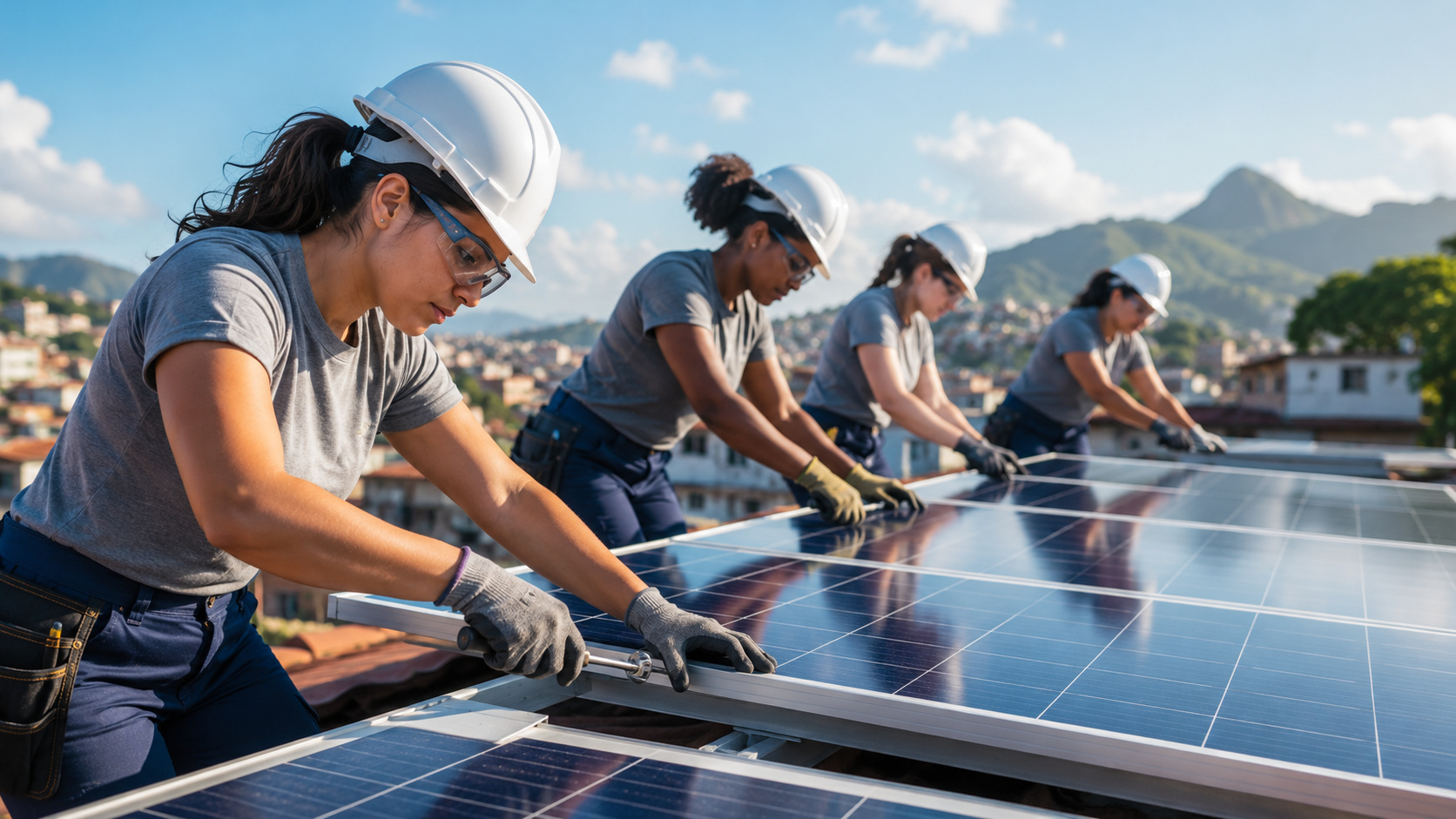
In Brazil, expanding access to energy, especially in remote areas, has always been a historical challenge, marked by great territorial and social inequalities. Therefore, the Ministry of Mines and Energy (MME) acts strategically, promoting energy inclusion in previously isolated areas, such as Surucucu, in Roraima.
Historically, regions like the Amazon have faced enormous difficulties in ensuring electric power for local populations. Additionally, the long distances, challenging terrain, and environmental preservation make the installation of traditional networks complex and costly.
-
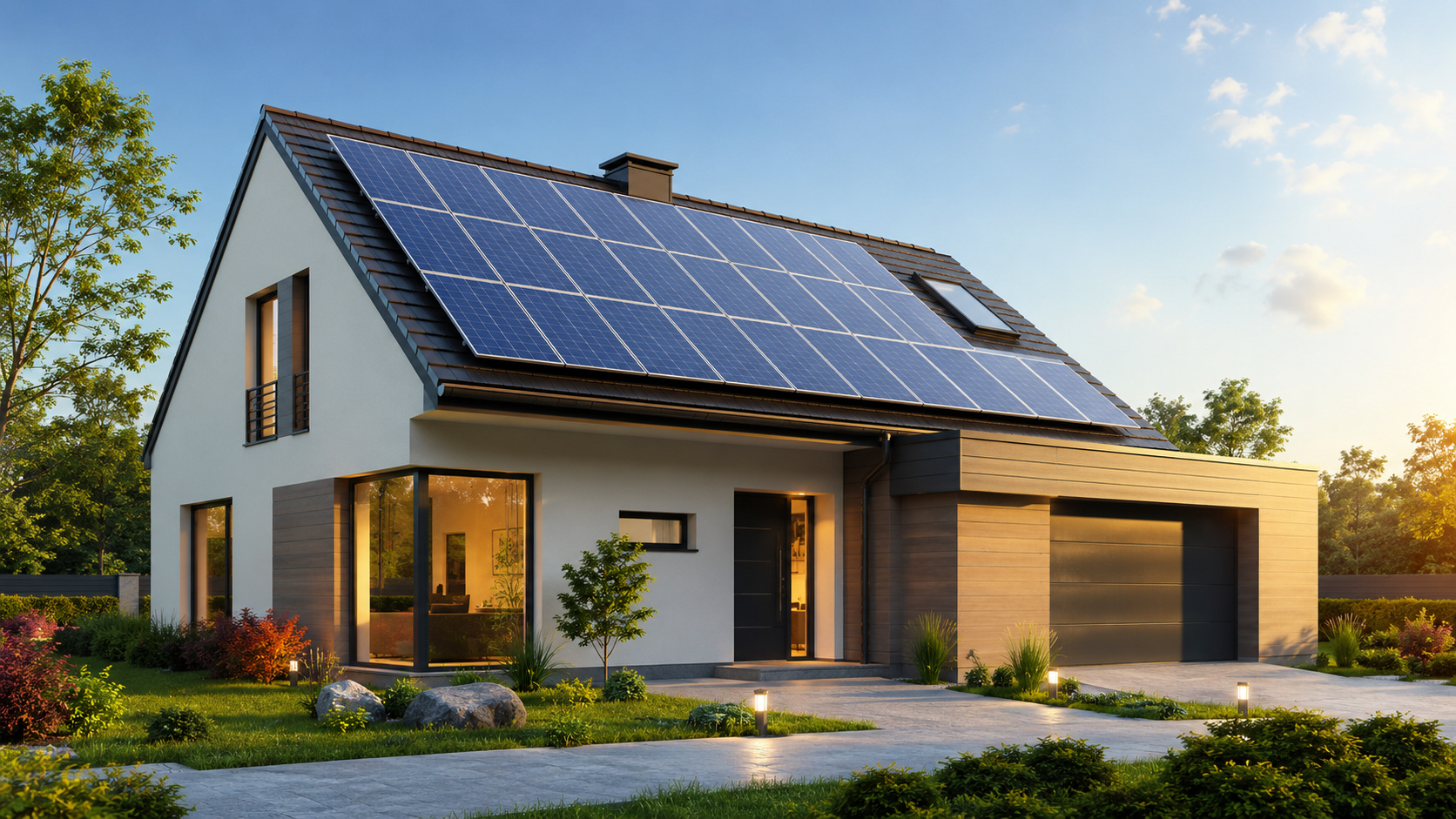
Solar energy can increase property value by up to 10% and become a selling point.

-
Solar and wind energy surpass natural gas for the first time in the world and accelerate energy revolution

-
Africa has about 500,000 cell towers and most still burn diesel to operate, while companies rush to cover antennas with solar energy and avoid signal blackouts.
-
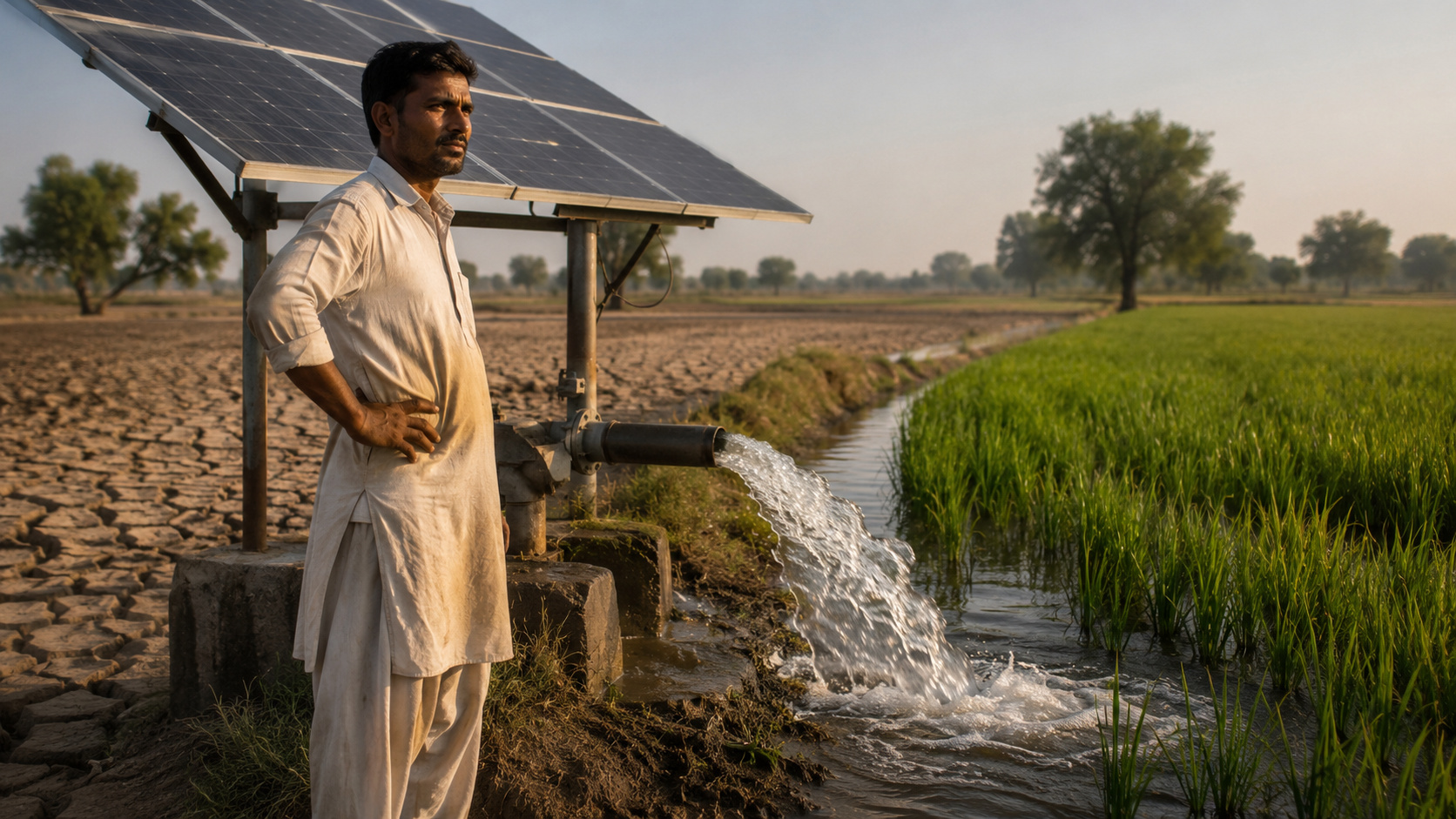
Farmers swapped diesel for solar panels in Pakistan, powered irrigation pumps almost cost-free, expanded rice fields, and now groundwater has become a red alert in the countryside.


For this reason, public policies focused on renewable and decentralized sources, such as solar energy, arise as efficient and sustainable solutions. In this context, the MME brings solar energy systems to strategic locations, promoting not only access to light but also health, education, and economic development.
Moreover, access to electric power in isolated regions of the Amazon not only improves infrastructure: it creates conditions for social inclusion.
Consequently, communities that lived in isolation for decades now have opportunities to connect with the rest of the country, exchange information, engage in economic activities, and improve their quality of life. Therefore, solar energy transforms lives in a concrete way, creating broader prospects for youth, women, and entire families.
Direct Impact on Health and Quality of Life
In October 2025, the MME delivered three photovoltaic systems to the Indigenous Health Reference Center of Surucucu, in the municipality of Alto Alegre, through the program Light for All (LPT).
Thus, the initiative benefits about 2,700 Yanomami indigenous people, distributed across 46 villages, ensuring continuous and clean energy for the health unit.
This milestone, therefore, is not just technical, but also symbolic: it represents the appreciation of dignity, social inclusion, and respect for traditional communities, which have often been on the margins of development.
Additionally, the arrival of solar energy goes far beyond illuminating buildings or homes. For the reference center, it means the ability to keep medical equipment running continuously, store vaccines properly, and conduct emergency care safely.
Consequently, the residents of Surucucu have access to previously inaccessible technologies, better quality education, more efficient communication, and, above all, quality of life.
Thus, when the MME brings solar energy systems to these locations, it promotes a broad transformation, touching all aspects of community life.
Furthermore, solar energy reduces operational costs and prevents frequent supply interruptions, ensuring that essential services operate without risks to the population.
In this way, this reliability translates into safer medical care, continuing education, and greater security for local economic activities.
Therefore, each kilowatt generated becomes a direct investment in the well-being of communities.
Historic Energy Inclusion Programs
The commitment to energy inclusion in Brazil is not recent. Since the creation of the Light for All program in 2003, the federal government has sought to bring electric power to millions of Brazilians who lived without this basic right.
In the North region, many communities were isolated by rivers and forests, making the challenge even greater. Therefore, the strategy has always involved innovative solutions such as photovoltaic solar systems and local mini-grids, which overcame geographic and social barriers.
Over time, these programs evolved, also integrating initiatives like Luz do Povo, which today benefits tens of thousands of households in Roraima and other states.
Moreover, the history of solar energy in Brazil, although recent, reveals significant advances. From the first experimental projects in the 1990s and 2000s to current government programs, photovoltaic technology has evolved from novelty to a strategic element of social inclusion.
Thus, the MME, by bringing solar energy systems, not only expands access to electricity but also positions the country at the forefront of renewable solutions adoption, aligned with sustainable development goals.
Furthermore, in addition to promoting access to energy, the MME reinforces the importance of sustainability. By bringing solar energy systems to indigenous communities, the ministry reduces dependence on fossil fuels, decreases carbon emissions, and contributes to the preservation of the Amazon rainforest.
Therefore, solar energy is not only clean and renewable but also has low environmental impact, characteristics that align with the country’s sustainable development objectives.
In this way, each installed system represents a commitment to the future, reconciling progress with respect for nature.
Social Inclusion and Citizenship
The historical impact of these initiatives also reflects on the appreciation of citizenship. Consequently, electric power enables schools to operate with modern equipment, makes information and services accessible, and allows the population more autonomy in their daily lives.
Thus, the MME, by bringing solar energy systems, helps previously isolated communities fully participate in society, breaking cycles of exclusion and inequality.
In this way, there is a transformation that combines technology, public policy, and social sensitivity.
Furthermore, for the indigenous health center of Surucucu, the expansion of energy access will continue in 2025 with the construction of a larger solar power plant, planned by the Light for All Program.
With a capacity to generate 12,744 kWh, the project will have an investment of R$ 31 million and will ensure the full functioning of health services.
This measure shows that investment in renewable energy is not just a one-time occurrence but a strategic and continuous effort, consolidating energy inclusion as a federal government priority.
The strengthening of solar energy in isolated communities also generates impact on the local economy. Therefore, small entrepreneurs and farmers can plan activities more securely, avoiding losses caused by power outages.
Moreover, young people have access to digital tools for study and communication, broadening educational and professional opportunities.
A Replicable Model for Other Regions
The experience of Surucucu serves as an example for the entire country. Thus, it shows that it is possible to integrate technology and tradition, innovation and environmental preservation, development and respect for local cultures.
In this way, when the MME brings solar energy systems, it promotes a replicable model that other remote regions of Brazil can adopt. Reinforcing the importance of well-planned, sustainable, and inclusive public policies.
Furthermore, the Light for All program and initiatives such as Luz do Povo reveal that electric power is more than just a technical resource: it strengthens community ties, promotes education, encourages preventive health, and stimulates the local economy.
Therefore, each kilowatt generated symbolizes hope, progress, and equity, showing that development can be achieved in a sustainable and humane way.
Solar Energy as a Universal Right
Historically, energy inclusion in Brazil has always faced structural challenges. Isolated regions, social inequality, and logistical difficulties have hindered the expansion of the electric grid.
Today, with the adoption of renewable and decentralized solutions, the country can serve previously inaccessible locations, ensuring that energy ceases to be an urban privilege and becomes a universal right.
Thus, the work of the MME in Surucucu integrates a larger movement for energy democratization.
Finally, the experience of Surucucu reinforces that public policies for renewable energy can be efficient, inclusive, and sustainable.
Therefore, the MME brings solar energy systems to those who need it most, promoting dignity, citizenship, and development.
By illuminating the Amazon, the ministry not only transforms lives individually but also strengthens entire communities, creating a legacy of progress that respects nature, values local culture, and establishes a development model aligned with principles of social justice and sustainability.
Moreover, solar energy in Surucucu is a clear example of how technology, public policy, and social sensitivity can walk together.
Each installed system illuminates more than just physical spaces: it opens pathways for opportunities, education, and quality health.
Therefore, when the government brings solar energy systems to remote regions, it invests in future, equity, and lasting social transformation.