






 Portuguese
  Spanish


In The Heart Of The Amazon River, A Small Island Has Become A Cause Of Diplomatic Tension Between Peru And Colombia. As Governments Discuss Its Sovereignty, The Daily Lives Of Residents Are Marked By Active Commerce With Brazil And The Predominant Use Of The Real As Currency.
Last Tuesday (8/5), the President Of Colombia, Gustavo Petro, stated on social media that “the government of Peru has occupied territory that belongs to Colombia.” The statement surprised Peruvian authorities.
What Is At Stake
The controversy involves sovereignty over the Santa Rosa Island, a formation in the middle of the Amazon River, inhabited by about 3,000 people.
Peru considers the area part of its territory. Like Santa Rosa, other islands have emerged in recent decades along the Colombia-Peru border, defined a hundred years ago based on the deepest channel of the river.
-
Crab Trapped in Plastic Bottle for 62 Days Near Okinawa Highlights Little-Known Impact of Marine Pollution on Small Animals

-
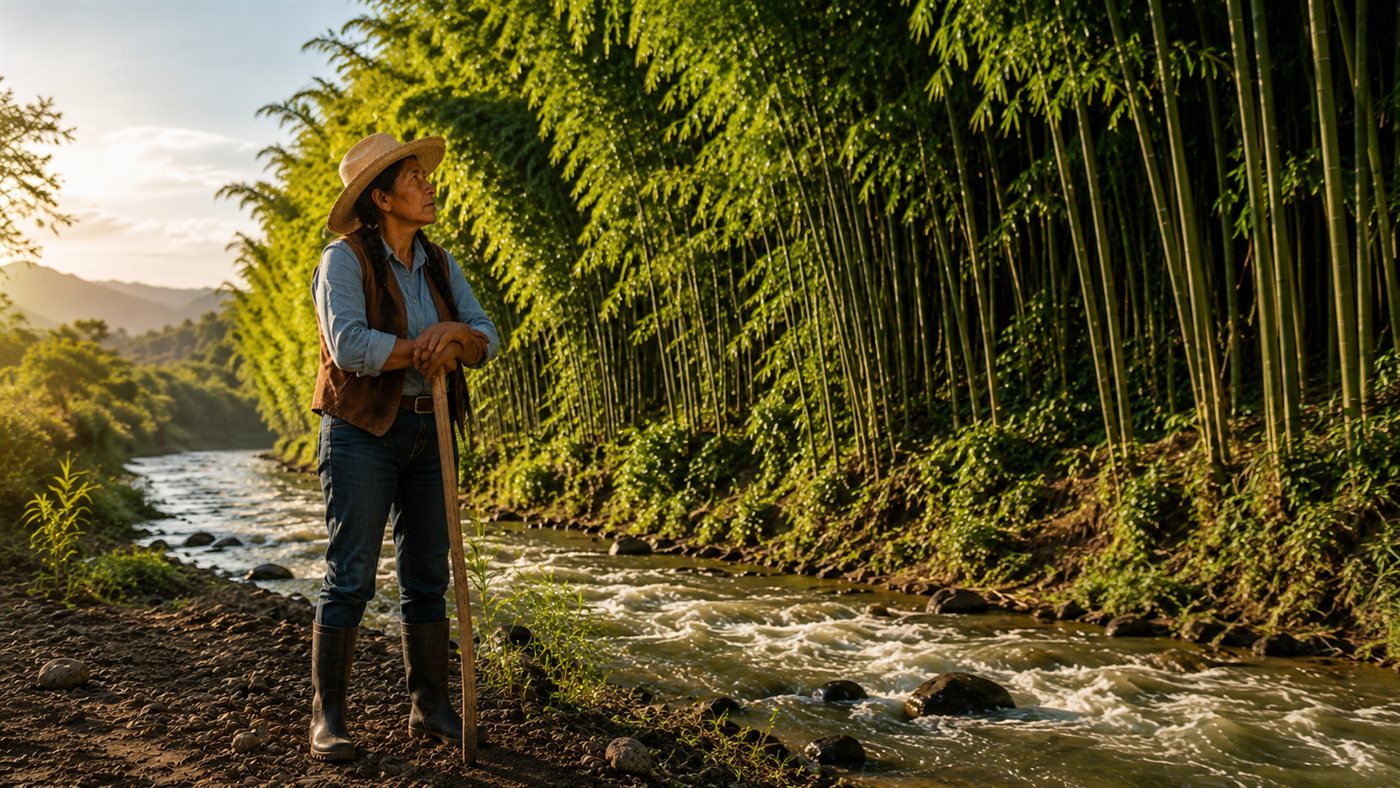
Esperanza’s Bamboo Barrier in Oaxaca Redirects River and Reduces Erosion by 85% in Five Years

-
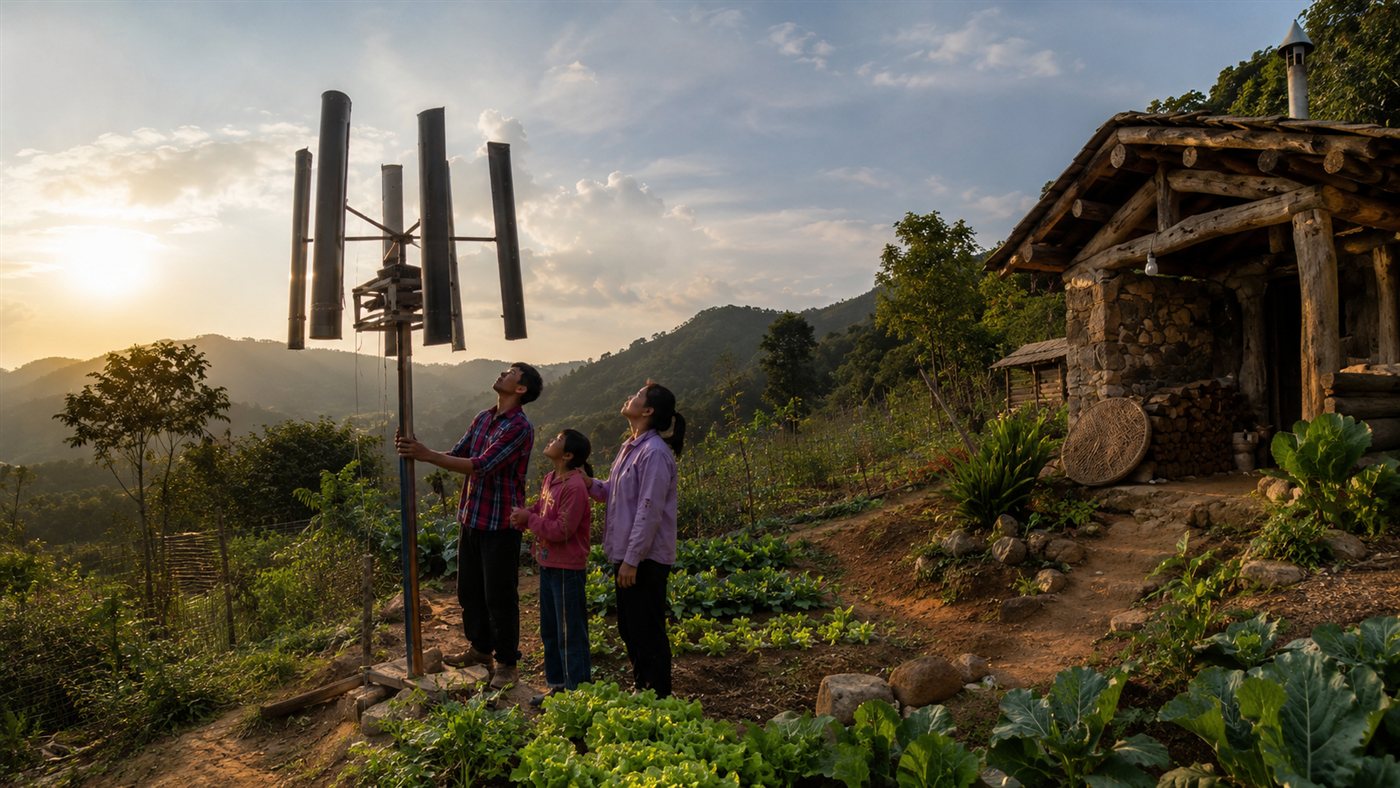
Family Builds Homemade Wind Turbine to Power Off-Grid Home, Video Reaches 555,000 Views on Ngô Thị Huyền’s Channel
-
Indian Brand Creates Sneakers from Recycled PET Bottles and Discarded Tires, Repurposing Over 1 Million Bottles and Raising $4 Million for Expansion



Experts’ Position
When Colombia and Peru established their borders, these formations did not exist. In June, the Peruvian Congress approved the creation of the “new district of Santa Rosa de Loreto” on the island.
This prompted Petro’s outrage, who also announced the relocation of the celebration of the Battle of Boyacá to Leticia, a Colombian city near the area.
Border History
In 1922, Colombia and Peru signed a treaty that divided the Amazon by the deepest shipping channel, not by the river’s midpoint.
Historian Felipe Arias Escobar recalls that the agreement faced rejection in both countries and led to the Colombia-Peru War of 1932. The conflict ended with the ratification of the treaty.
Currently, the countries share 116 kilometers of the Amazon. At the time of the treaty, there were only two islands: Ronda and Chinería.
The Amazon border changes over time. Sediments from the Andes have formed new islands, the control of which has yet to be defined.
Local Reality In Santa Rosa
The island is close to the so-called “triple border” between Peru, Colombia, and Brazil.
Local commerce is heavily influenced by neighboring countries.
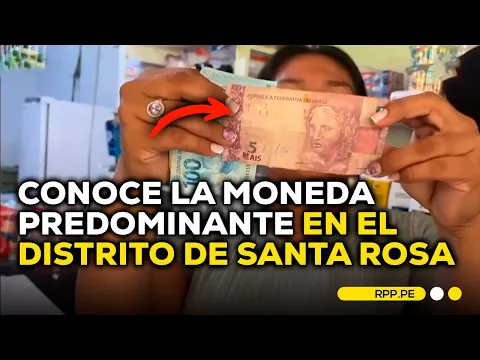
In daily life, residents primarily use the Brazilian real as currency. Basic products, such as rice, sugar, and oil, mostly come from Brazil.
Transportation increases prices. A kilogram of rice costs about 5 soles and oil reaches 9 soles. One real is worth, on average, 0.65 sol.
Additionally, items such as beverages and mineral water come from the Colombian city of Leticia, located next to the island.
This maintains a constant commercial flow between the border communities.

Challenge For The Governments
The absence of periodic border reviews has created a scenario of uncertainty. The formation of new islands requires updated negotiations between Lima and Bogotá.
As long as there is no consensus, the dispute over Santa Rosa and other areas is likely to persist, mixing territorial, historical, and economic issues.


