






 Portuguese
  Spanish
  5 min of reading
  0 comments



With Unprecedented Technology in the Market, an Electric Car with a Manual Transmission Promises to Revolutionize Learning for Beginner Drivers, Combining Innovation and Accessibility in a Surprising Model That Challenges the Leaders in the Compact Segment in Brazil.
The arrival of a Chinese automaker in the Brazilian market promises to revolutionize the segment of electric and compact vehicles.
The JMEV, a Chinese manufacturer belonging to the Jiangling Motors group and Groupe Renault, officially announced its entry into Brazil with the launch of the EV3, the world’s first electric car equipped with a manual transmission, with an estimated price below R$ 100 thousand.
The announcement took place during an event held in Belo Horizonte, Minas Gerais, on Monday, May 26, 2025, where a local production agreement was established with the Brazilian company E-Motors.
-
Mother Who Orchestrated Her Daughter’s Genius Education Enters History After Crime That Still Mystifies Spain

-
Brazil to Allocate 3% of Affordable Housing Program in 38 Cities for Homeless, Paving Way for First Property Transfers to Formerly Unhoused Residents

-
Man Builds Handcrafted Wooden Cabin in Canadian Forest Using Only Trees and No Construction Crew
-
Maria Marli, a 15-Year Veteran Bricklayer, Helps Build Bahia’s Tallest Building and Realizes Her Own Dreams




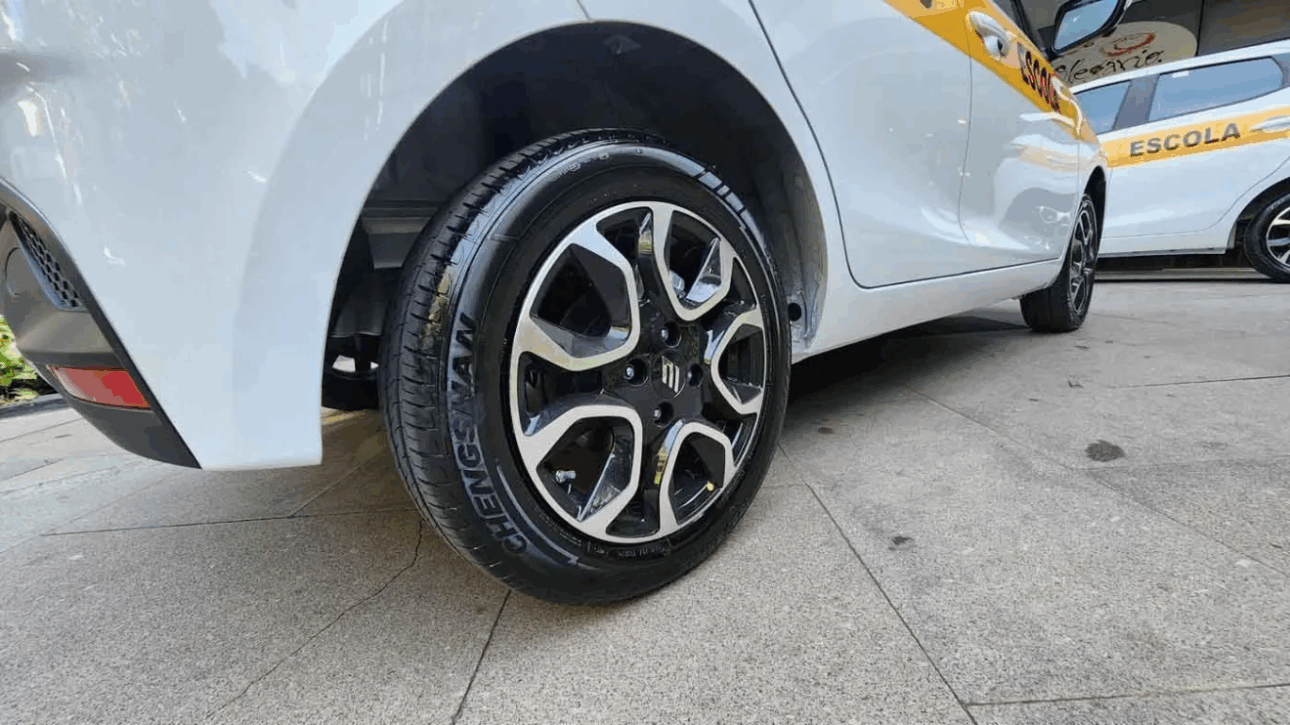
The EV3 is not just another electric compact: it brings a technological innovation that caters to a previously little-explored niche — driving schools and learner drivers, who will be able to learn to drive in electric vehicles with the complete experience of a traditional manual transmission.
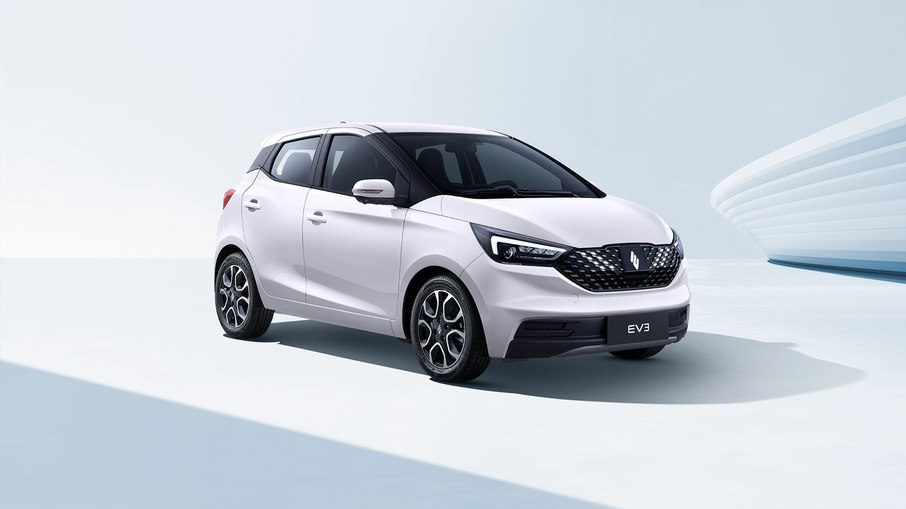
A Car to Learn to Drive the Traditional Way
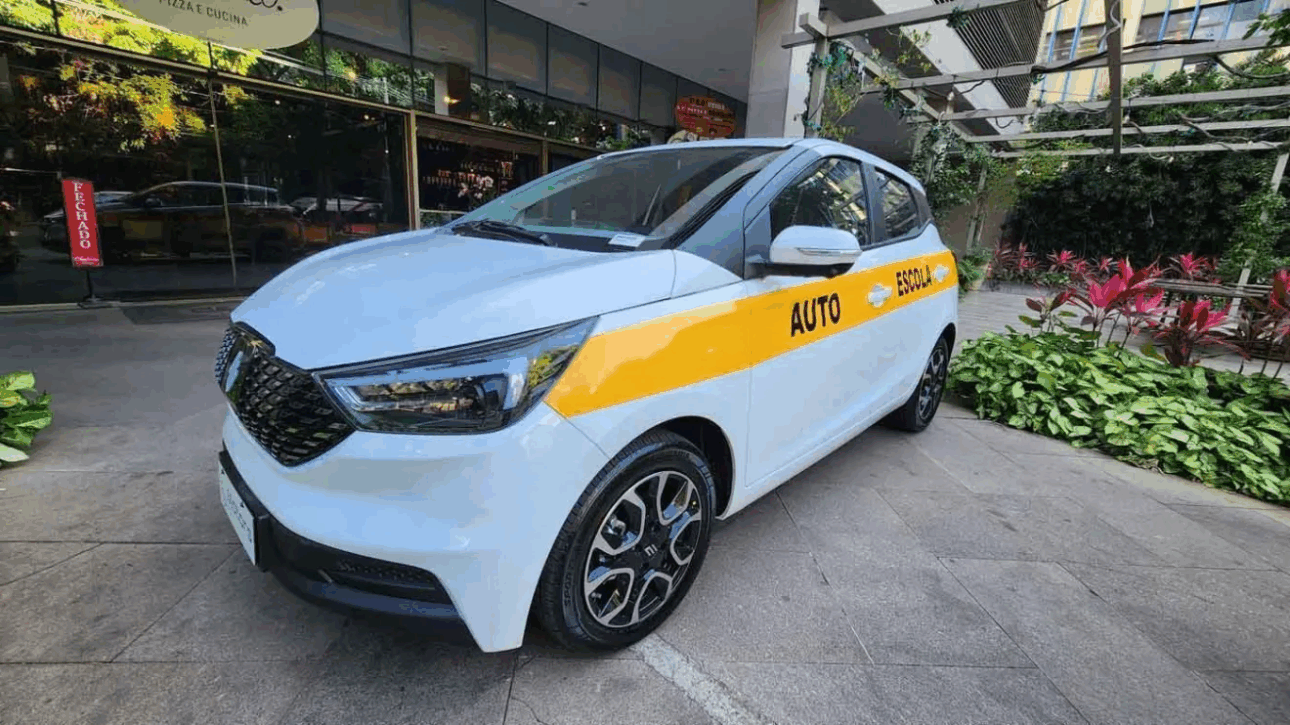
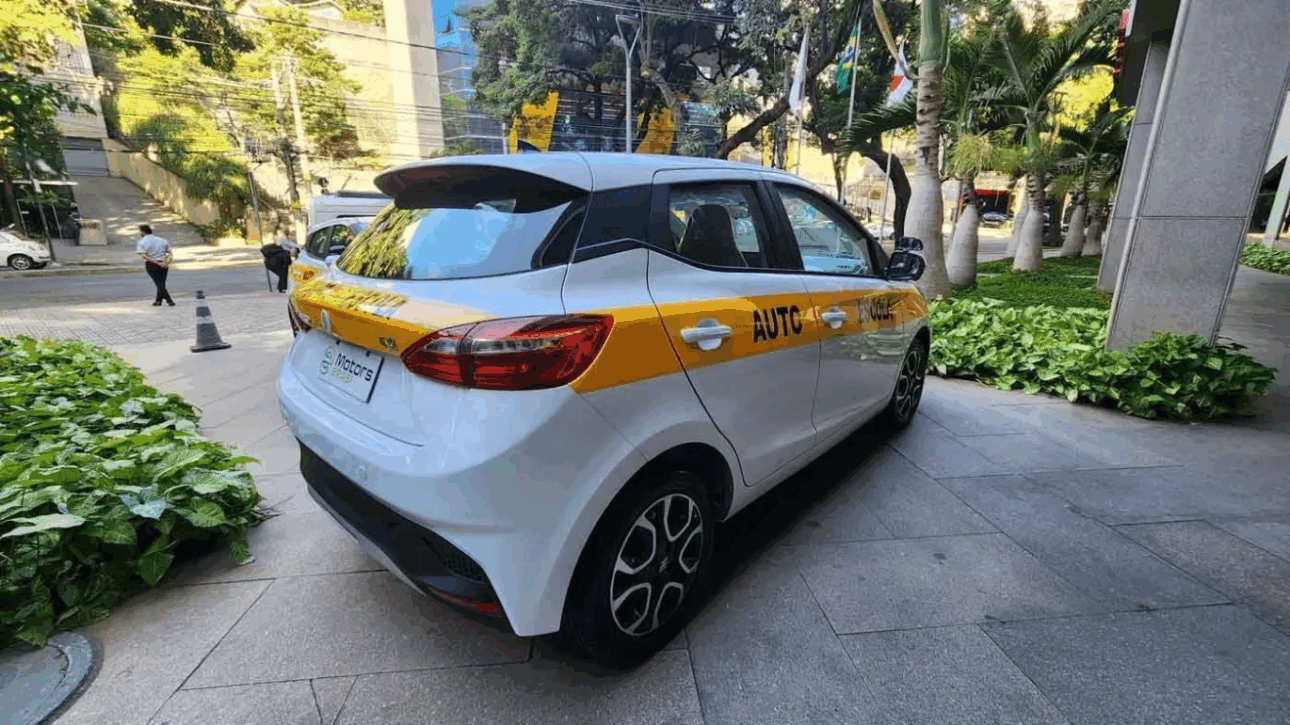
The EV3 was specially developed to be used in driving schools, according to CNN reports.
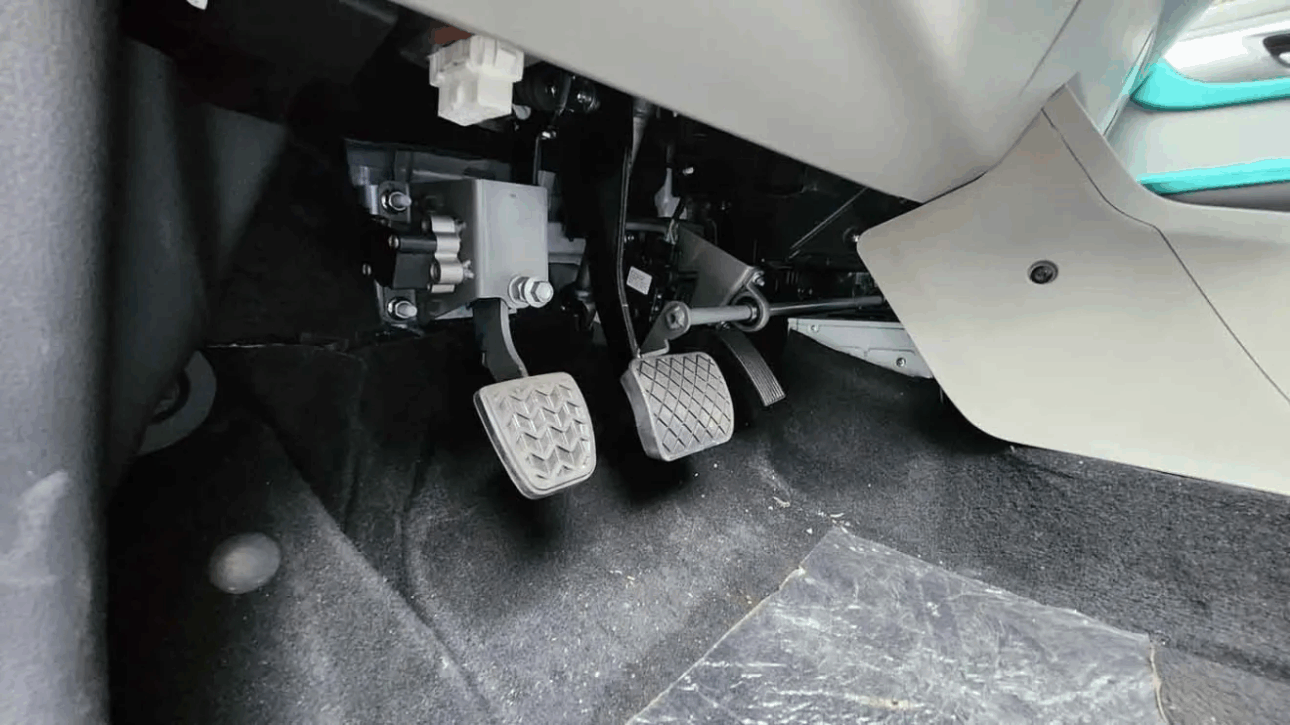
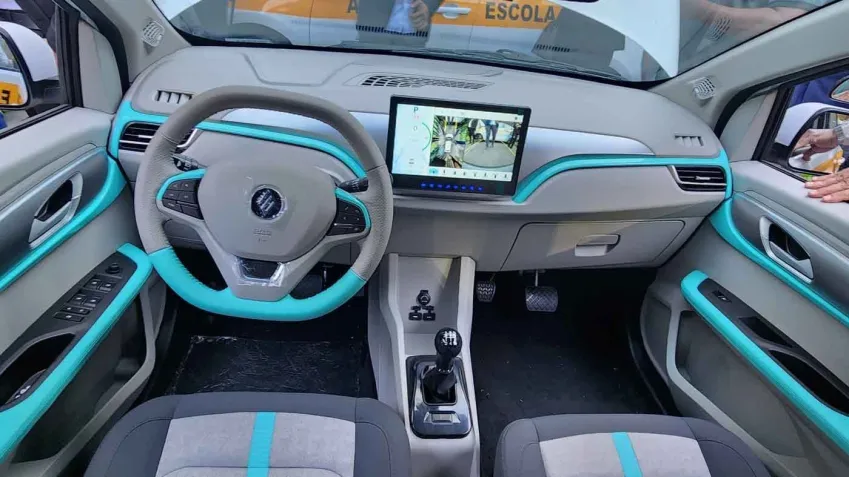
It features a manual transmission patented by E-Motors, which includes a functional clutch pedal, simulating the experience of a combustion car.
This unprecedented technology causes the vehicle to “stall” if the driver incorrectly operates the clutch, just as it happens in conventional cars, providing realistic and complete learning.
The manual transmission system has five gears, and the maximum speed is limited according to the selected gear.
In addition, the driver has three pedals — clutch, brake, and accelerator — and the instructor, sitting beside, has access to the brake and accelerator pedals to ensure safety during lessons.
Local Production and Semi-Industrial Assembly Model
The manufacturing of the EV3 will take place in the city of Jaguaré, Espírito Santo, where E-Motors is building a manufacturing unit to assemble the vehicles.
The process will be conducted using the SKD (Semi Knocked Down) model, which consists of receiving the vehicle partially dismantled, with final assembly occurring in Brazil.
This strategy allows for cost reduction and greater competitiveness of the model, helping to keep the final price below R$ 100 thousand.
Motor, Range, and Equipment of the Manual Electric Car EV3
The EV3 is equipped with a front electric motor that delivers 67 horsepower (50 kW), according to official data from the manufacturer.
The estimated range of the vehicle is approximately 300 km, according to the measurement cycle used in China, which tends to be more optimistic than the Brazilian standard, but still significant for urban use.
The compact features 15-inch alloy wheels, disc brakes on all four wheels, LED headlights, and a 360° camera, in addition to a 10-inch multimedia center that integrates the instrument panel and entertainment system.
Safety in Focus
In terms of safety, the EV3 surprises by offering traction and stability control, as well as autonomous emergency braking, features that are still uncommon in vehicles in this price range.
Another important point is the presence of the ISOFIX system for securely fastening child seats, reinforcing the commitment to family safety.
Partnership and Strategic Plan
According to Qui Tiangao, CEO of JMCG and secretary of the Communist Party of the Chinese province, the event in Belo Horizonte marked the beginning of a strategic plan to expand the supply of Chinese vehicles in Brazil.
JMEV, founded in 2015 as a joint venture between the Chinese state-owned JMCG and Renault, bets on the EV3 to gain space in a market traditionally dominated by Brazilian and Japanese brands.
E-Motors, a company based in Divino (MG) and led by entrepreneurs from Minas Gerais Mercídio Givisiez and Rodrigo Freitas, has a strong presence in the driving school segment, which facilitates the product’s penetration with the initial target audience.
Expectations and Upcoming Launches
Despite the estimated price below R$ 100 thousand, the exact date for the start of sales has not yet been announced, but the model has already received homologation from the National Traffic Council (Contran) to be used as a learning vehicle.
In addition to the EV3 with a manual transmission, E-Motors plans to launch other versions, such as the EV3 with an automatic transmission and the EV2, a subcompact electric car, with the goal of expanding the portfolio and serving different consumer profiles.
Manual Electric Car and the Challenge for the Brazilian Market
With a launch that combines technological innovation and an affordable price, the EV3 from JMEV and E-Motors emerges to directly compete with established models such as Renault Kwid, Fiat Mobi, Volkswagen Up, Chevrolet Onix, and Hyundai HB20, especially in the entry-level segment.
The proposal of an electric vehicle with a manual transmission breaks paradigms and can accelerate the adoption of electric cars in driving schools, in addition to preparing new drivers for the transition from combustion propulsion to electric.
This movement can be decisive in transforming the Brazilian market, still reliant on gasoline and ethanol vehicles, towards more sustainable and technologically advanced mobility.
Do you believe that an electric car with a manual transmission can appeal to the Brazilian market, or do you think the trend is to see more automatic models in the garages of Brazilian drivers? Leave your opinion in the comments.







-

-

2 people reacted to this.