






 Portuguese
  Spanish




An Analysis of the Claim of a Motor That Uses Seawater, Created in Brazil, and Its Real Potential to Transform Mobility and Face the Hegemony of Fossil Fuels, Based on the Invention of Sandro Alves.
The news of a motor that runs on seawater, a Brazilian invention with the potential to revolutionize transportation and scare oil giants, ignites hope for alternative energy sources. The focus is on the motorcycle modified by inventor Sandro Alves, which uses an aluminum reactor to generate hydrogen from “water.” However, the viability and real impact of this technology are still a matter of debate.
The Brazilian Dream of the Water-Powered Car and the Invention of Sandro Alves
The idea of a water motor fascinates globally. In Brazil, this quest takes on special contours. The country has a history of alternative energy solutions, such as ethanol. Events like the truck drivers’ strike of 2018, which highlighted vulnerability to fossil fuel prices, further drive this desire.
It was in this context of frustration with high gasoline prices that Sandro Alves de Oliveira, a self-taught inventor from Paraíba, locally known as “Sandro das Antenas,” was motivated. He overcame illiteracy and used his ingenuity to seek an energy alternative for his motorcycle.
-
How to Prevent Brown Recluse Spider Bites: Common Hiding Spots and Free Tips to Reduce Risks

-
Natto: The Unusual Japanese Superfood Gaining Popularity on Social Media and Driving Record Exports
-
Brazilian Mayor Goes Undercover as Homeless for 24 Hours to Assess Public Services

-
15-Year-Old Entrepreneur Malu Lira Publishes 20 Children’s Books on Financial Education, Earns $500,000, and Expands Her Project to the Amazon Rainforest




How Does the So-Called “Water Motor” Work? The Technology Behind the Promise

Sandro Alves’s invention consists of a system adapted to a motorcycle. The heart of the mechanism is an aluminum reactor. This reactor would be responsible for separating the hydrogen molecules from water. The released hydrogen would then fuel the vehicle’s engine. The system is also described as utilizing caustic soda and a battery.
A notable claim is the ability to travel 1,000 km on a single liter of “water.” However, it is crucial to highlight that primary sources refer to “water” generically. There is no clear specification or confirmation that Alves’s motorcycle specifically uses seawater. The information about the use of seawater appears to be a popular distortion.
Viability and Challenges of the Water Motor
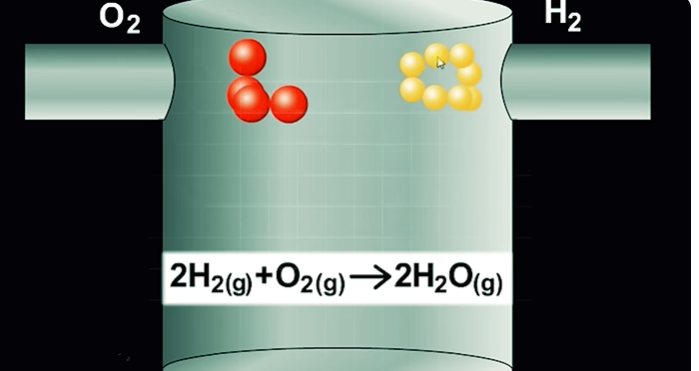
From a scientific standpoint, water (H₂O) is a stable molecule, a product of hydrogen combustion. To extract hydrogen from water, a considerable input of energy is required. In Alves’s system, the presence of the “aluminum reactor” suggests that aluminum is consumed in the process. The energy likely comes from the chemical reaction of aluminum with water, which releases hydrogen.
Thus, the system would resemble more of an energy device based on aluminum consumption, with water acting as a hydrogen carrier. Aluminum, whose production requires a lot of energy, would be the true “fuel.” The technology remains experimental and lacks independent scientific validation, third-party testing, and registered patents that corroborate its performance and viability.
A Real Threat to the Oil Industry or Media Exaggeration?


The narrative that this invention “scares oil giants” contrasts with its embryonic and unverified state. The current potential of this technology to transform the transportation sector or threaten the oil industry is considerably limited. The idea of an immediate disruption seems more like speculation than demonstrated ability.
There are immense economic and scalability obstacles. The cost of aluminum, energy conversion efficiency, and system durability are critical factors. Furthermore, Brazil, as noted, “lacks the necessary infrastructure, public policies, independent research incentives, and appropriate regulation to scale such projects nationally.”
Water Motor: Between Brazilian Ingenuity and the Need for Proof
Sandro Alves’s invention is an example of Brazilian ingenuity. However, for the water motor to cease being a promise and become a tangible reality, a long way must be traversed. Other claims of water-powered motors have already emerged in Brazil, such as those of Ricardo Azevedo, indicating a persistent interest in the topic.
However, the approach of independent inventors differs from global hydrogen efforts, which involve significant investments and scientific rigor. Any technology with revolutionary claims requires total transparency, rigorous independent validation, and comprehensive economic analysis. Without this, the dream of the water motor remains distant from large-scale practical application.







Esta reportagem é uma vergonha. Sabemos que isto não funciona. É o famoso engana ****. A energia consumida no processo é maior que a energia gerada. Se fosse fácil já tinha sido implementada pelas montadoras que gastam milhões em desenvolvimentos em motores com combustíveis alternativos.
Realmente como tem imbecis para por “areia” nas coisas.Escrevem ou “copiam/colam” de mais….
Eu mesmo,qdo estudante ensaiei a eletrólise para usar o hidro..
só não fui pra frente por falta de incentivo adequado(mas foguetes fiz).
Vocês talvez nem existicem com o programa Proalcool….de um pé de cana(garapa/pinga)iriam fazer um motor a explosão funcionar,ser produzido e funcionar bem até hoje,realidade que esses imbecizinhos estão questionando/julgando odos aqueles que são inteligentes/criativos/eficientes independente de títulos universitários kkk
Nos polpem desses “imbecis de plantão”…
ah,não se empolguem de mais com IA ,muleta de amadores…
Bem, o assunto da tal moto movida a água já mudou o rumo. A reportagem acima informa que há um reator acoplado ao tal invento, onde há uma reação de eletrólise com componentes de alumijio que e a energia consumível, que gera a octanagem ou potência explosiva para acionar o motor da moto. Como sempre digo, milagre não existe, o que existe são cambalachos. A ciência e a técnica não é tão simples como muitos pensam.