






 Portuguese
  Spanish
 5 min of reading
  0 comments


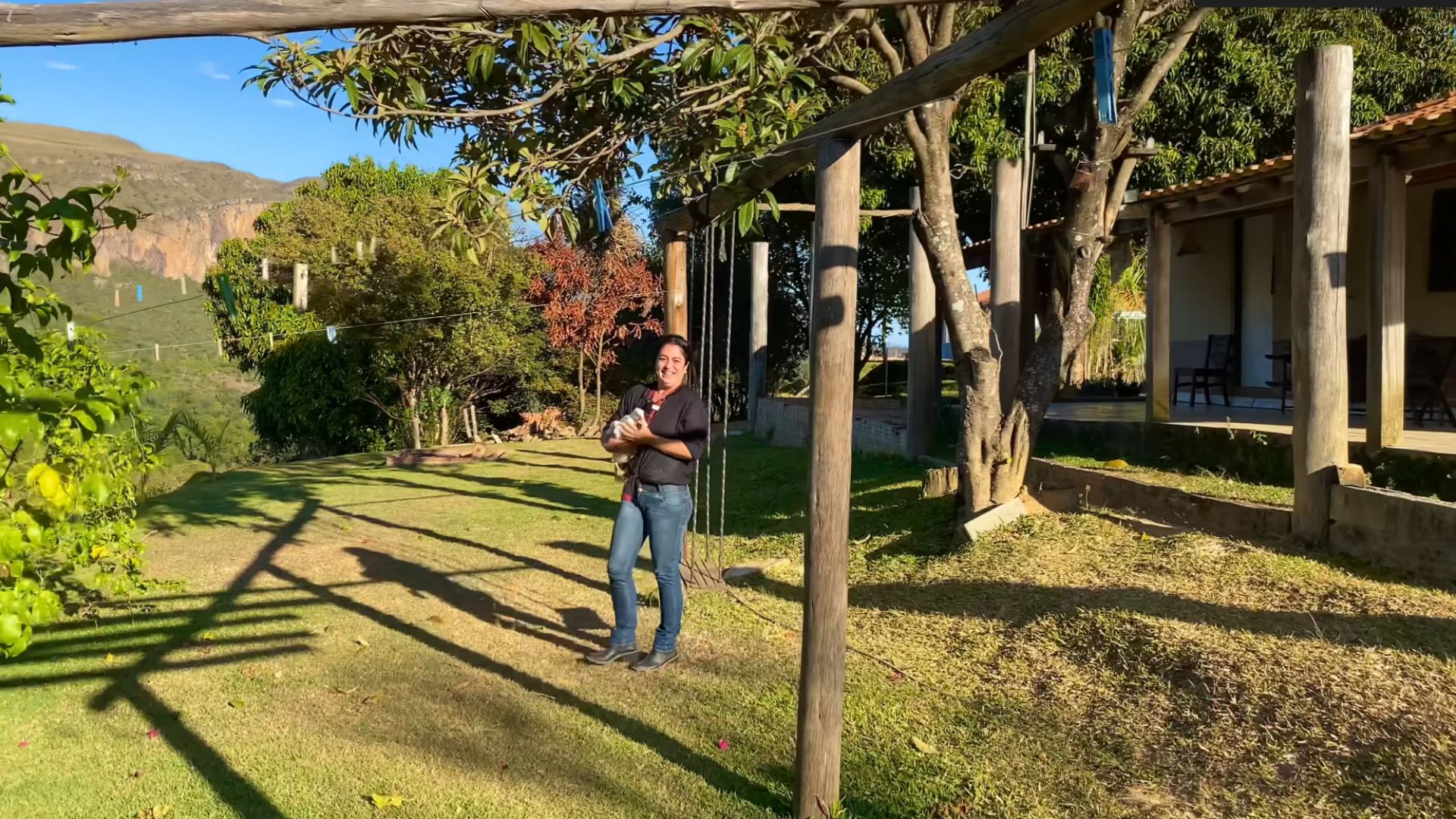
Life Project in the Interior of Minas Gerais Transforms Family Area in Fecho da Serra, in Capitólio, into a Living Space, Accommodation, and Environmental Preservation. Idealized by Tati, Location Combines Farming Routine, Experience Tourism, and Strong Tie with Nature.
Between stone cliffs, rural silence, and a view that closes like an embrace from the mountain, a life project took shape in the interior of Minas Gerais.
In Capitólio, Tati transformed an old family area in Fecho da Serra into a living space, accommodation, and environmental preservation, now sought after by visitors in search of peace and direct contact with nature.
The story was presented in a recorded chat for the Diário do Campo channel, conducted by Eduardo Pádua, who explored trails, chalets, and common areas alongside the host. During the conversation, she explained how the location ceased to be just a family retreat to become a destination open to the public.
-
Federal Police involved in the case to identify the person responsible for hacking the Civil Defense system, which sent ten false alerts, frightened residents of different capitals, and turned messages about real risks into notifications with “misanthropy” and even alien attacks.

-
Extreme drought causes ghost village to reappear at the bottom of the reservoir that supplies Athens, revealing houses, a school, and ruins swallowed since the 1980s as the lake shrinks and exposes the water crisis threatening the capital of Greece.

-
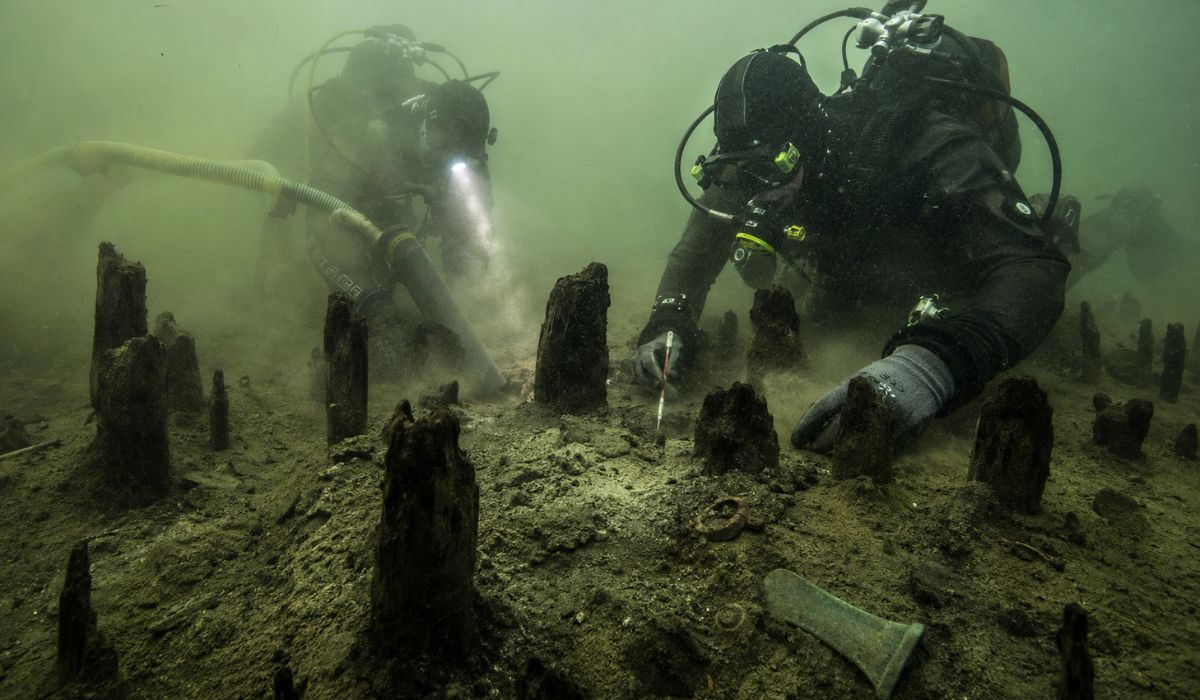
An entire village lay asleep at the bottom of a lake for 3,000 years: divers suction sediments in Italy and reveal more than 600 wooden stakes, bronze tools, and traces of a Bronze Age settlement hidden underwater.
-
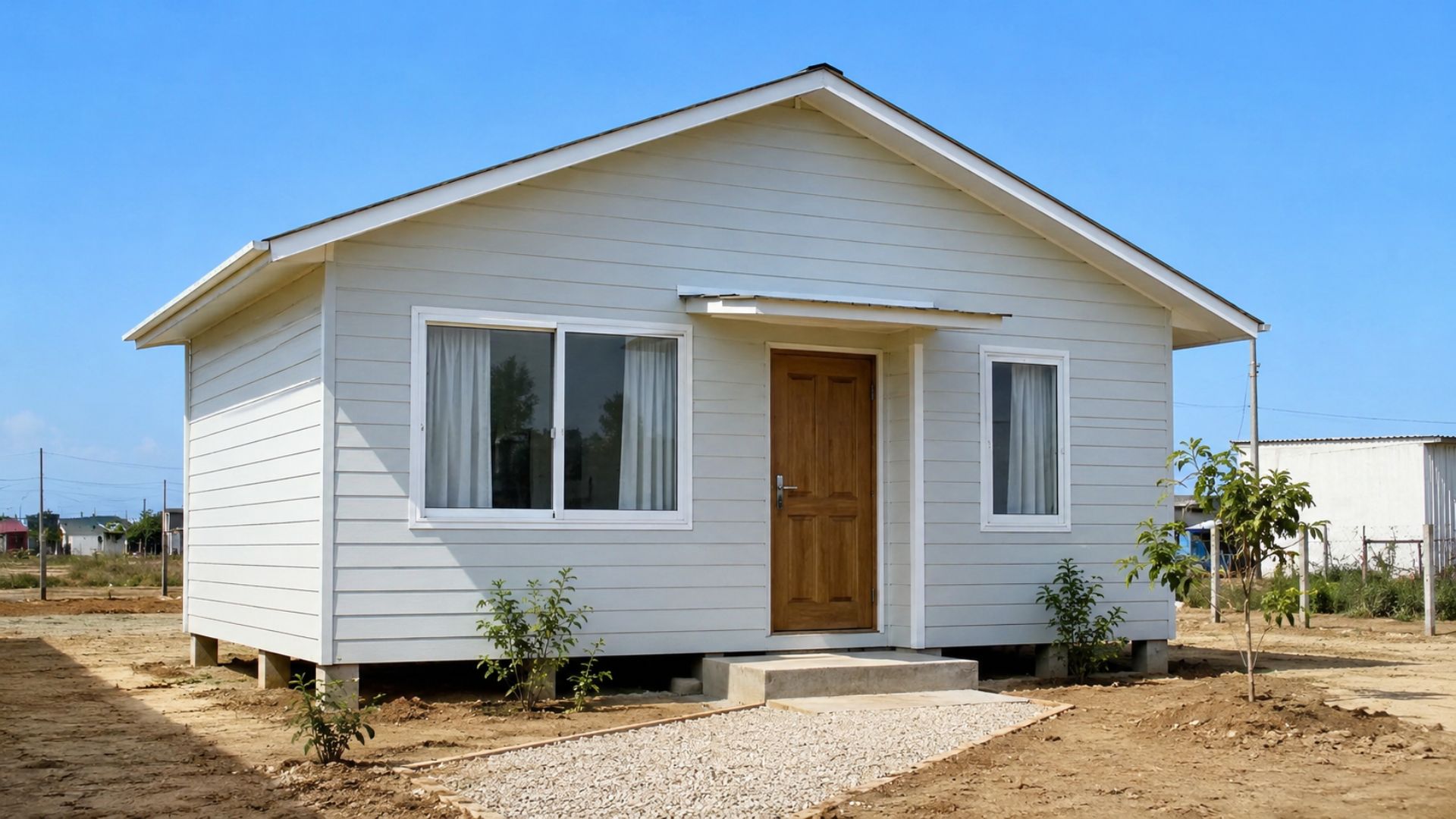
They call it the “Shopee house” and even cardboard, but the R$ 20,000 house is a certified Wood Frame from Alea, financed by Minha Casa Minha Vida: understand if it’s worth more than masonry.


“This place is magical. It’s not just beautiful; it has an energy that cannot be explained. Those who come understand,” she stated.
Natural Landscape That Defines the Fecho da Serra

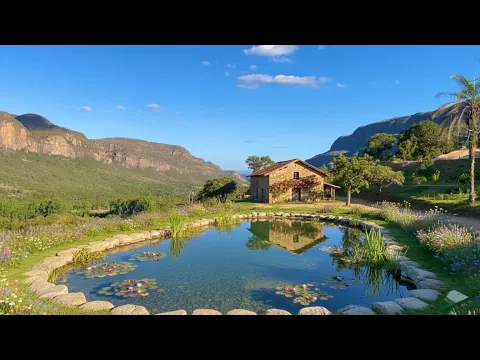
The name Fecho da Serra comes from the very formation of the terrain. Two large rock walls advance toward each other, creating the sensation that the mountain closes at the end of the valley.
In the distance, the region’s reservoir completes the scenery, even when not entirely visible to the naked eye. For Tati, the geography was decisive in choosing the location as a base for life.
“How can you get tired of a view like this? At night, with a sky full of stars, it’s impossible,” she said.
Inserted in a transition area of the Serra da Canastra, the property maintains preserved native vegetation and trails that lead to the Cachoeira do Fecho da Serra, accessible from the upper part of the land.
Free Animals and Farming Routine

Right upon arrival, it becomes clear that animals are part of the dynamics of the place. Chickens roam freely, ducks share space with dogs, horses graze near the chalets, and buffaloes cross the land in single file at the end of the day.
Each animal has its own name and is left to roam free. “They are the distinguished residents of Nova Toscana,” joked Tati while introducing the dogs, ducks, and horses that live in the area.
The production follows the pace of farming. Free-range eggs, milk, cheeses made by local family members, and food prepared on-site are part of the daily routine. “This is real farming, not a facade farm. It’s the real day-to-day,” she explained.
From Family Area to Public Accommodation

The project began simply, even before the pandemic. The first chalet was built for Tati’s brother, who spent long periods at the site, naturally attracting friends and nearby visitors.
With social isolation, the search for destinations away from urban centers grew. During this period, the family decided to adapt shipping containers, transforming them into complete suites, with a bathroom, double bed, and air conditioning.
“Before, it was just for friends. Suddenly, people started coming to stay, to live this experience. We realized it made sense to open up,” she reported.
Currently, the space includes chalets, suites in containers, dining areas, and a fixed trailer for accommodation. Projects like a restaurant and a pool are still under development.

Nova Toscana and the Identity of the Project
The name Nova Toscana emerged in the early plans of the initiative. The initial idea included planting grapes and creating a small winery, a project that ultimately did not advance.
Still, the name remained, associated with the climate, the mountainous landscape, and the proposal of rural life. “Plans change, but the essence stayed. It’s a place of welcome, of pause,” summed up Tati.
The constructions were designed to maintain warmth and respect the natural environment, with soft lighting, simple materials, and integration to the farming rhythm.
Between the City and the Decision to Stay
Dividing her time between Franca, in the interior of São Paulo, and Capitólio, Tati states that the definitive move to Minas is an increasingly closer plan. “The city tires me. Here, I am not tired,” she said.

The connection with the countryside comes from childhood. On her mother’s side, the region has always been present; on her father’s side, the experience in Pantanal reinforced the bond with nature. “I think I have always wanted this, even without knowing,” she stated.
Collective Work and Human Roots
At the end of the visit, Eduardo Pádua highlighted the role of the people who keep the project running. Tati made sure to mention her brothers Juliano and João, who live and work at the site.
“We are no one alone,” she said, emotional. “If something works here, it’s because there are good people involved.”
The meeting ended with brewed coffee, cheese bread, and cornmeal cake, prepared right there, reinforcing the spirit of welcome that defines Fecho da Serra.
In times of urban rush and excessive noise, how many people would be willing to trade concrete for the sounds of animals and the slow pace of the mountain?



-

-

-

-

-

11 people reacted to this.