






 Portuguese
  Spanish


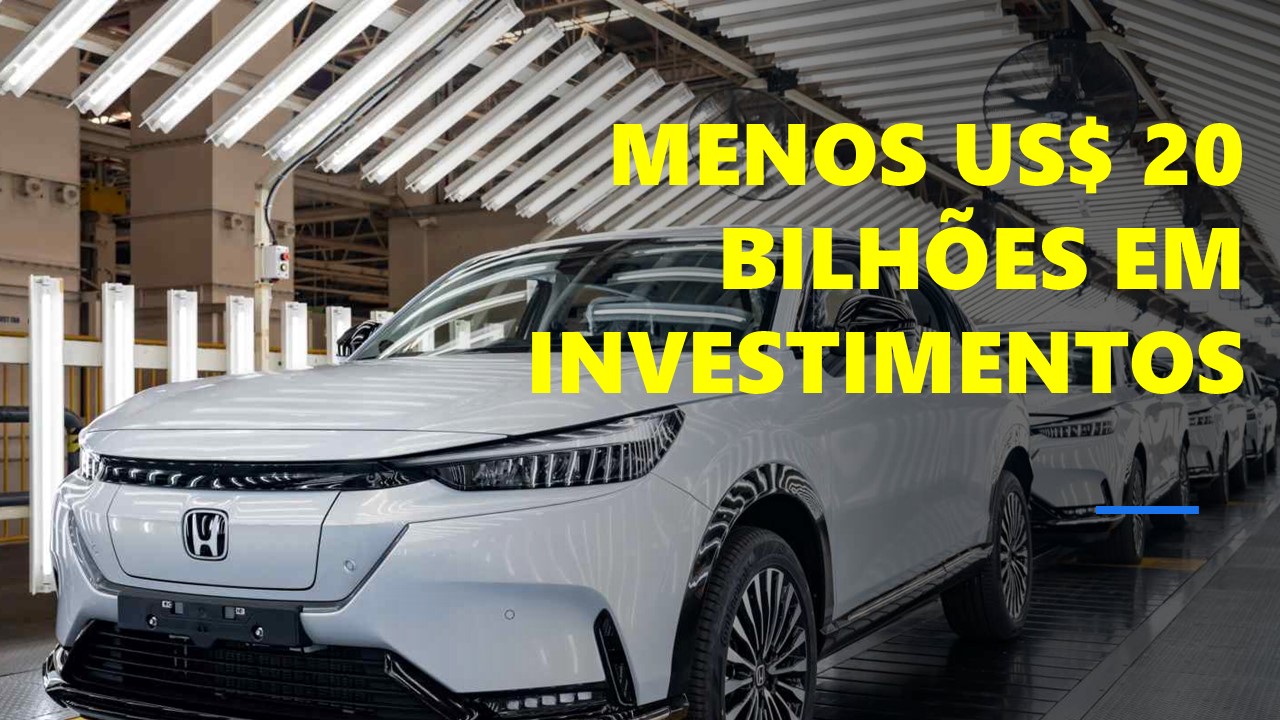

Japanese Multinational Automaker Reverses Course Toward Carbon Neutrality With 40% Drop in EV Investments by 2030!
Honda has just announced a dramatic reduction of over US$ 20 billion in its investments in electric vehicles (EVs). This decision marks a significant drop in its electrification strategy, reflecting slower-than-expected growth in demand for electric cars.
3.6 Million: Sales Target by 2030
The automaker plans to increase its sales to 3.6 million units by 2030, but acknowledges that it likely will not meet its previous goal of 30% of sales coming from EVs. Instead, Honda is betting on 2.2 million hybrid vehicles, which are gaining popularity, especially in the U.S., where consumers prefer the flexibility of hybrids. GAC Aion UT Wins Hearts: The Electric Car Revolutionizing the Automotive Market and Challenging BYD’s Favorite
40% Less in Investments in Electric Cars
With this new approach, Honda is cutting its electrification investments by up to 40%, reassessing its product line and focusing on hybrid model production. This shift comes at a time when competition in the electric vehicle market is intensifying, with companies like Tesla and Volkswagen investing heavily.
-
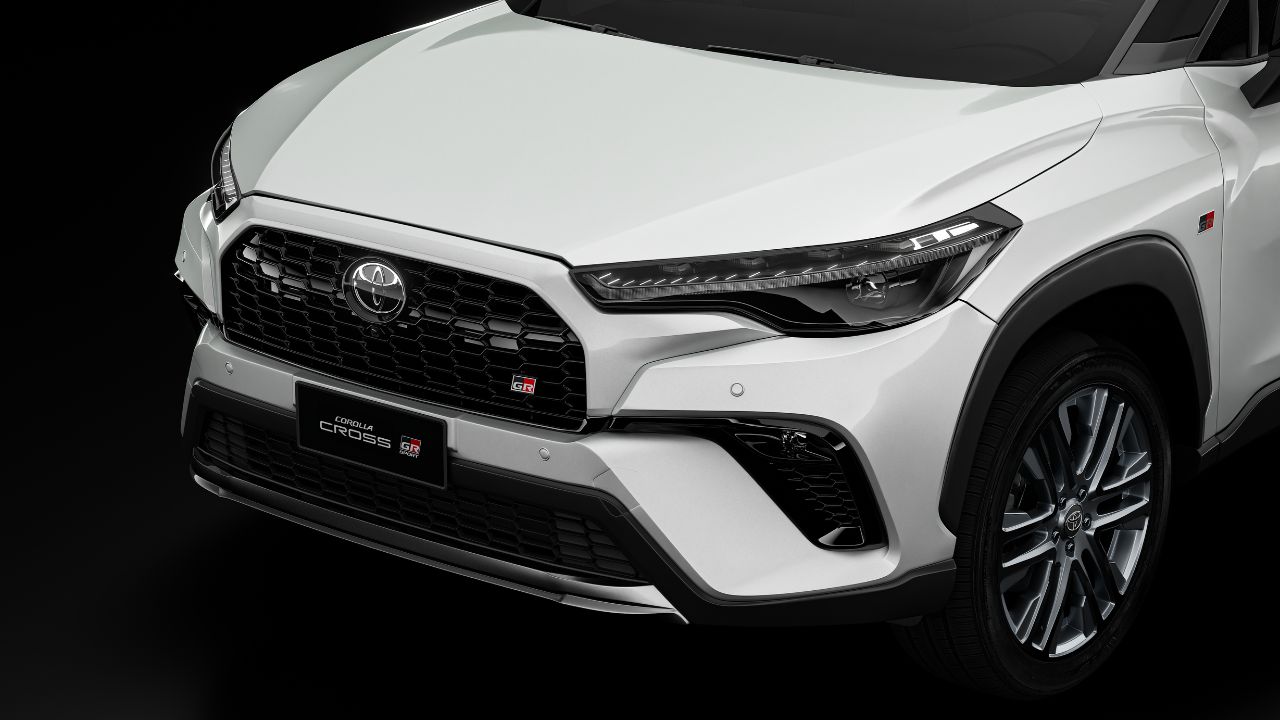
2027 Toyota Corolla Cross Unveiled: New Design, Enhanced Fuel Efficiency, Reduced Maintenance Costs, Advanced Technology, Connected Services, and Up to 10-Year Warranty

-
Fiat Cronos Precision 2018: Affordable Sedan with Spacious Trunk and Reliable Maintenance
-
Volkswagen to Cut Production by 1 Million Cars by 2030, Reducing Jobs and Platforms, Focusing on More Profitable Models

-
Toyota Launches First 100% Electric Car in Brazil: bZ4X with 343 HP, All-Wheel Drive, 361 km Range, Priced at $419,990 BRL, Limited to 99 Units



INVESTMENT CUTS: What Does It Mean for the Future?
The decision to cut investments in EVs raises questions about Honda’s commitment to sustainability and carbon neutrality by 2050. With uncertainties in trade policies and shifts in consumer preferences, the automaker needs to act quickly to remain relevant.
The reduction of over US$ 20 billion in Honda’s investments in electric cars signals a significant change in its strategy. With ambitious yet challenging targets, the automaker finds itself at a critical juncture. The question remains: will this decision be the solution or a step back on the path to electrification?








