Portuguese
  Spanish


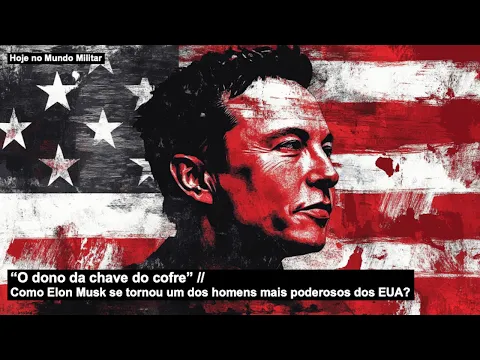
After Donating $300 Million to Trump, Musk Takes Position with Access to the Treasury! Is the Billionaire Reforming the Public Machine or Concentrating Unprecedented Power in the U.S.? Find Out Now!
Elon Musk, known for his leadership in companies like Tesla and SpaceX, has expanded his influence beyond the tech sector. Now, he stands out as one of the most powerful figures in American politics, with strong ties to former President Donald Trump and a strategic role in the new Republican administration. This rise raises fundamental questions about the direction of governance in the United States: Is Musk transforming public management or consolidating unprecedented control?
Musk’s Role in Trump’s Reelection
In recent years, Musk has not only aligned himself politically with Trump but has also become one of the main funders of his 2024 campaign. Reports indicate that he contributed approximately $300 million to the Republican candidacy, being one of the key reasons for the former president’s electoral success.
In recognition of his influence on the campaign, Trump appointed Musk to a strategic position in his administration, giving him control of the newly created Department of Government Efficiency (DOG). The agency was established to eliminate unnecessary spending and make the administration more efficient, but quickly became a power tool for Musk and his allies.
-
Brazil’s Federal Revenue Auction: iPhone 13 for $95, PlayStation 4 for $80, and Volkswagen Jetta for $2,600 Among 232 Lots Available

-
Award-Winning Japanese Restaurant Reveals It Has Preserved Part of the Same Frying Oil for 66 Years
-
American Youth Transforms from Severe Obesity to U.S. Air Force Enlistment, Losing 90 Kilograms in Two Years
-
Tech Giant Oracle Lays Off 21,000 Employees and Invests $70 Billion in Artificial Intelligence


The Creation of DOG and Transparency Concerns
The Department of Government Efficiency emerged through an executive order from Trump, without the need for Congressional approval, with the primary goal of reviewing and reducing government expenses. However, since its implementation, the lack of transparency in its activities has raised concerns.
Experts and lawmakers point out various problematic issues, such as:
- Opacity in Operations: There is no clear information about who is part of the agency and what measures are being implemented.
- Concentration of Power: The fact that a businessman with significant private interests has direct access to government decisions raises concerns.
- Reforms without Oversight: The changes implemented by DOG occur without any external control or accountability.
In light of this scenario, lawmakers express fears about how far Musk may be using this structure to favor his own business interests.
Control over the American Treasury
One of the most controversial measures of DOG was its access to the payment system of the Department of the Treasury, responsible for managing trillions of dollars in social benefits, subsidies, and tax refunds. Traditionally managed by career public servants to avoid political interference, this system is now under Musk’s direct influence.
This raises a series of questions:
- Who decides which payments will take priority?
- Is there a risk of cuts to programs without any oversight?
- Could Musk’s companies, like SpaceX, benefit from this new control structure?
Former members of the Department of the Treasury warn that never before has a political group had such dominance over federal financial flows, representing a drastic change in the functioning of American public administration.
Conflicts with USAID and Implications for Foreign Policy
Another controversial episode involving DOG was its attempt to gain access to confidential information from the U.S. Agency for International Development (USAID). What started as an audit turned into a direct clash between DOG members and the agency’s staff. Musk and his allies demanded access to highly classified systems, encountering strong resistance from security personnel.
USAID has previously been at the center of investigations for suspected resource misappropriation and participation in covert operations of political influence abroad. Amid the controversy, Musk harshly criticized the agency on social media, labeling it as “extremely corrupt” and suggesting its dissolution—a proposal that already finds growing support within the Trump administration.
Musk: An Agent of Change or a Tycoon with Unlimited Power?
Musk’s rise in the American political landscape generates an intense debate: Is he promoting necessary reform or accumulating an unprecedented level of influence?
For his supporters, Musk is an innovator fighting inefficiencies and eliminating waste in public spending. Meanwhile, his critics warn of the risks of a billionaire with vast corporate interests holding so much power over the machinery of government.
The pressing question is: Will there be any oversight over Musk and DOG, or are we witnessing the birth of a new model of governance, led by one of the most influential businessmen on the planet?
The coming months will be crucial in determining the impacts of this shift in the administration of the United States.