






 Portuguese
  Spanish
  5 min of reading
  0 comments


The case of a residence in Maringá shows how residential solar energy can transform a high electricity bill into significant monthly savings, with a photovoltaic system sized to meet a large part of the family’s consumption.
A 980 m² residence in Maringá, Paraná, became a practical example of how solar energy can change the impact of the electricity bill on the household budget.
According to a report published by Canal Solar on October 3, 2020, the owner Wanda Martins installed the photovoltaic system in 2016, in her 980 m² house in Maringá. At the time, the project had an investment of R$ 70,000, a power of 12.24 kWp, and was made up of 48 modules. The result drew attention due to the size of the bill reduction: from about R$ 1,200 per month to approximately R$ 200.
In practice, the reduction is close to 83%. This data is important because it shows, in simple numbers, the impact of a residential solar system in a large house, with high consumption and constant energy demand.
-
New Philips Air Fryer Series 4000 arrives with only 24 cm in width, vertical dual basket, and technology that synchronizes the preparation of two different dishes to be ready at exactly the same time.

-
The largest supermarket chain in the country, Mercadona, opens a semi-automated warehouse worth R$ 320 million with 70 robots and 32,000 m², where products go to employees to speed up to 5,000 orders per day in the new Vallecas hive.

-
NASA reveals the global network that monitors over 41,000 near-Earth asteroids, shares data among scientists worldwide, and has already proven that humanity can deflect a space rock before a collision.
-
Chinese hypergravity machine is so insane that it reaches 1,900 G-tons, is located underground, spins giant arms at high speed, and can simulate earthquakes, storms, ocean depths, and even pressures from the Earth’s depths.




Large house, high bill, and a decision that changed consumption
Before the installation, the monthly bill for the residence was around R$ 1,200. For a house of almost a thousand square meters, this type of expense is not uncommon, especially when there is frequent use of electrical equipment, lighting, refrigeration, and other appliances.
Wanda Martins’ case gained traction precisely because it shows a common situation in larger properties: energy weighs every month and repeats without pause. The difference is that, in Maringá, the chosen solution was to transform part of this cost into self-generation.
According to Canal Solar, the installed system has a capacity of 12.24 kWp. It was sized to generate about 16.5 thousand kWh per year and meet approximately 90% of the family’s consumption.
Investment was R$ 70,000 to install 48 solar modules
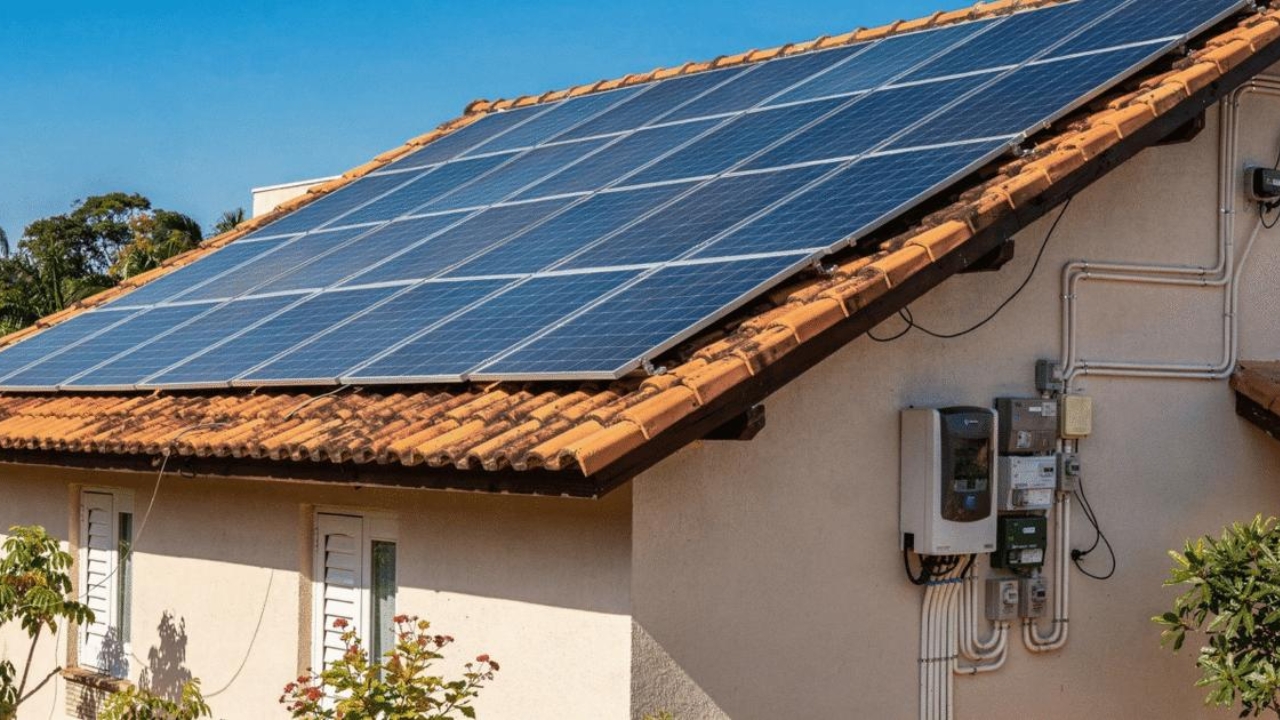
The project was not small. The residence received 48 solar modules, enough to place the roof at the center of the house’s savings strategy.
The reported investment was R$ 70,000. Although the amount is high for many families, the case draws attention because the monthly bill reduction was significant. The bill, which was previously close to R$ 1,200, dropped to about R$ 200.
This means an approximate saving of R$ 1,000 per month, considering the disclosed values. In a year, the difference can represent an important relief in the household budget.
The central point is that the system did not completely eliminate the bill, but significantly reduced the amount paid. And this difference helps explain why residential solar energy has come to be seen by many consumers as an alternative against increasingly heavy bills.
System was designed to meet 90% of the family’s consumption
One of the most relevant data of the case is the estimated consumption coverage. According to Canal Solar, the system was designed to meet about 90% of the family’s energy demand.
This detail is important because it shows that the project was designed based on the house’s usage profile. It’s not just about placing panels on the roof, but about sizing the generation according to the property’s actual consumption.
The predicted annual generation of 16.5 thousand kWh helps explain the reduction in the bill. Instead of relying almost entirely on energy purchased from the grid, the house started producing a good part of its own electricity.
In large residences, this change can have an even more visible effect. The higher the monthly consumption, the greater the perceived impact tends to be when self-generation starts to offset part of the demand.
Other cases in Brazil show reductions above 80%
The case of Maringá does not appear in isolation. The research itself shows Brazilian examples with similar or even greater drops in the electricity bill.
In Curitiba, the City Hall reported that the Cohab Solar project installed photovoltaic panels in 26 houses of Moradias Faxinal. According to the municipal administration, there were reductions above 80% in the energy bill of the residents.
One of the examples disclosed by the Curitiba City Hall showed a bill that dropped from about R$ 130 to R$ 20, a reduction of 84%. The amount is lower than the case of Maringá, but the logic is similar: self-generation reduces dependence on the grid and cuts monthly expenses.
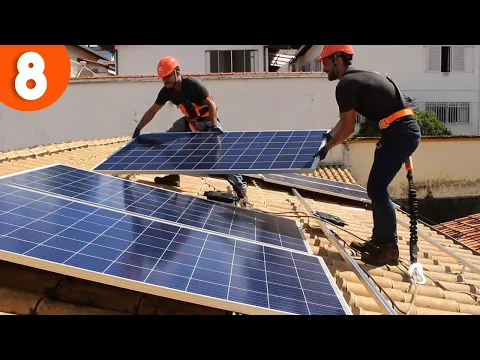
Another example cited in the research comes from Novo Hamburgo, in Rio Grande do Sul. According to Elysia Energia, a site received 44 solar panels, with a system capable of supplying 100% of the local’s energy demand and still generating surplus for other properties of the user.
In this project, the estimated reduction in the bill reached 85%, with an approximate saving of R$ 15,000 per year, according to the company.

The case shows a silent shift within Brazilian homes
The story of the 980 m² house in Maringá draws attention because it turns a technical theme into a simple equation: before, R$ 1,200 per month; after, about R$ 200.
The impact is not just on the roof full of solar modules, nor on the R$ 70,000 investment. It’s in the change of logic. The residence stopped being just an energy consumer and started producing a significant part of what it uses.
In a country where the electricity bill weighs on the pockets of families, condominiums, businesses, and rural properties, cases like this help explain why solar energy has gained ground. They show, with concrete numbers, that the technology can move from environmental discourse directly into the household budget.
Wanda Martins’ case goes beyond individual savings. It reveals how self-generation is beginning to reshape the relationship many Brazilians have with energy, especially when the high bill is no longer accepted as something inevitable.







Be the first to react!