Portuguese
  Spanish


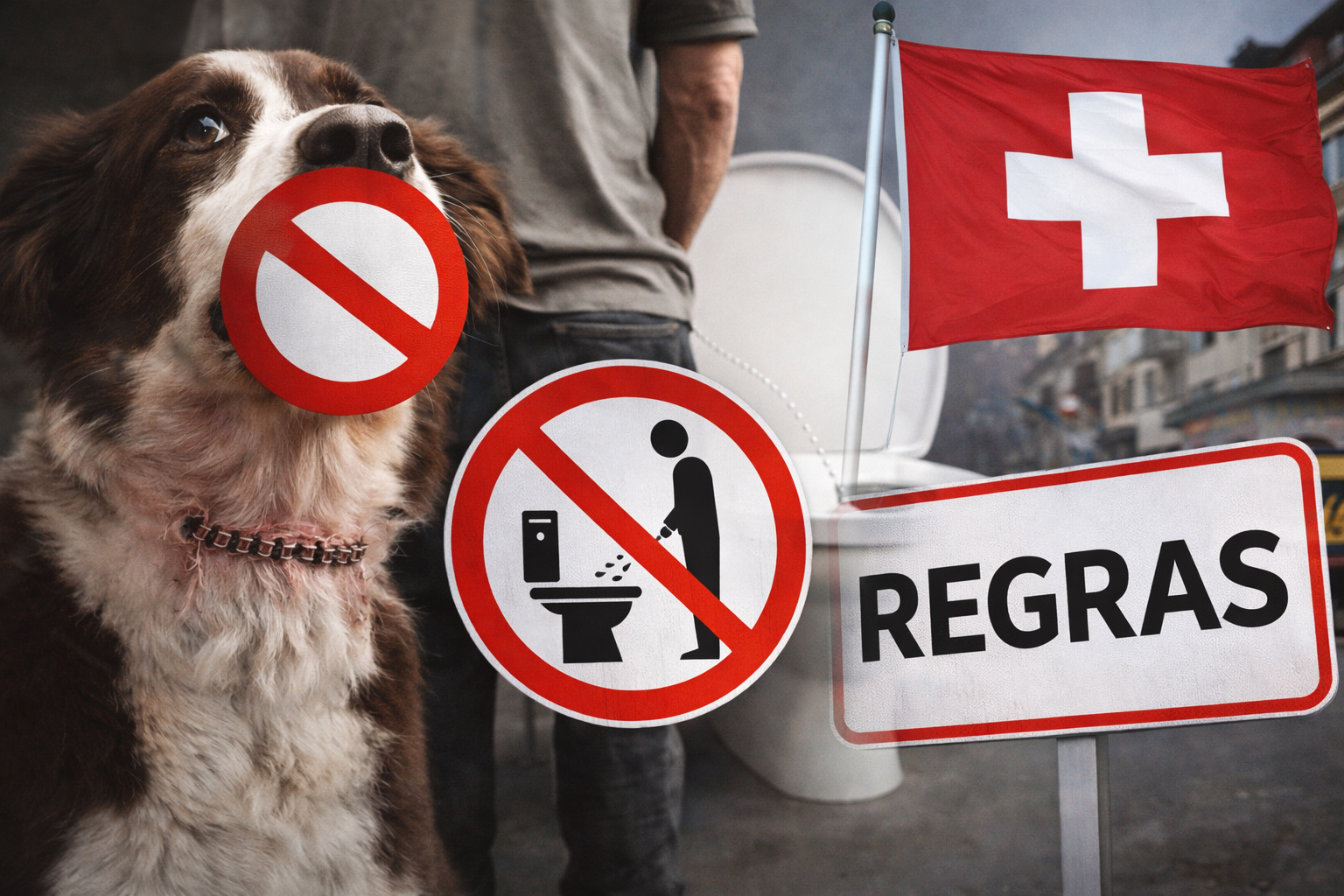


Switzerland Is World-Renowned For Its Organization, Quality Of Life And Safety. But Behind That Image Of An Almost Perfect Country, There Are Rules And Laws So Rigid That They Often Shock Foreigners — Especially Brazilians. Some Of Them Seem Exaggerated, But Are Taken Very Seriously In Day-To-Day Life.
When talking about Switzerland, the image that comes to mind is usually that of an organized, quiet, safe country with a very high quality of life. What many people don’t imagine is that this almost perfect standard is sustained by extremely rigid rules, some of which are so uncommon that they shock foreigners — especially Brazilians.
In practice, living in Switzerland means accepting a set of laws and customs that directly interfere with daily life, from using the bathroom to the behavior of pets.
Silence Is Taken Very Seriously — Perhaps Too Seriously For Some
One of the first surprises for those arriving in the country is the so-called noise laws. In many Swiss regions, activities considered trivial in Brazil can lead to formal complaints from neighbors and even police intervention. Flushing the toilet, taking a shower, or making excessive noise after 10 PM can be interpreted as disturbing the peace.
-
She bought a used motorhome at 23, refused an expensive renovation, dismantled furniture from the old apartment, and created a home on wheels with compact carpentry and repurposed pieces.

-
At 7 years old, boy swaps toy cars for raising bantams, dreams of becoming a veterinarian, and conquers the internet with his routine in the countryside of Santa Catarina; meet Luiz Miguel, the “Piá do Garnizé”

-
New York removed the tracks from over 2,500 subway cars and dumped everything at the bottom of the Atlantic, and what seemed like trash turned into an artificial reef teeming with fish and divers.

-
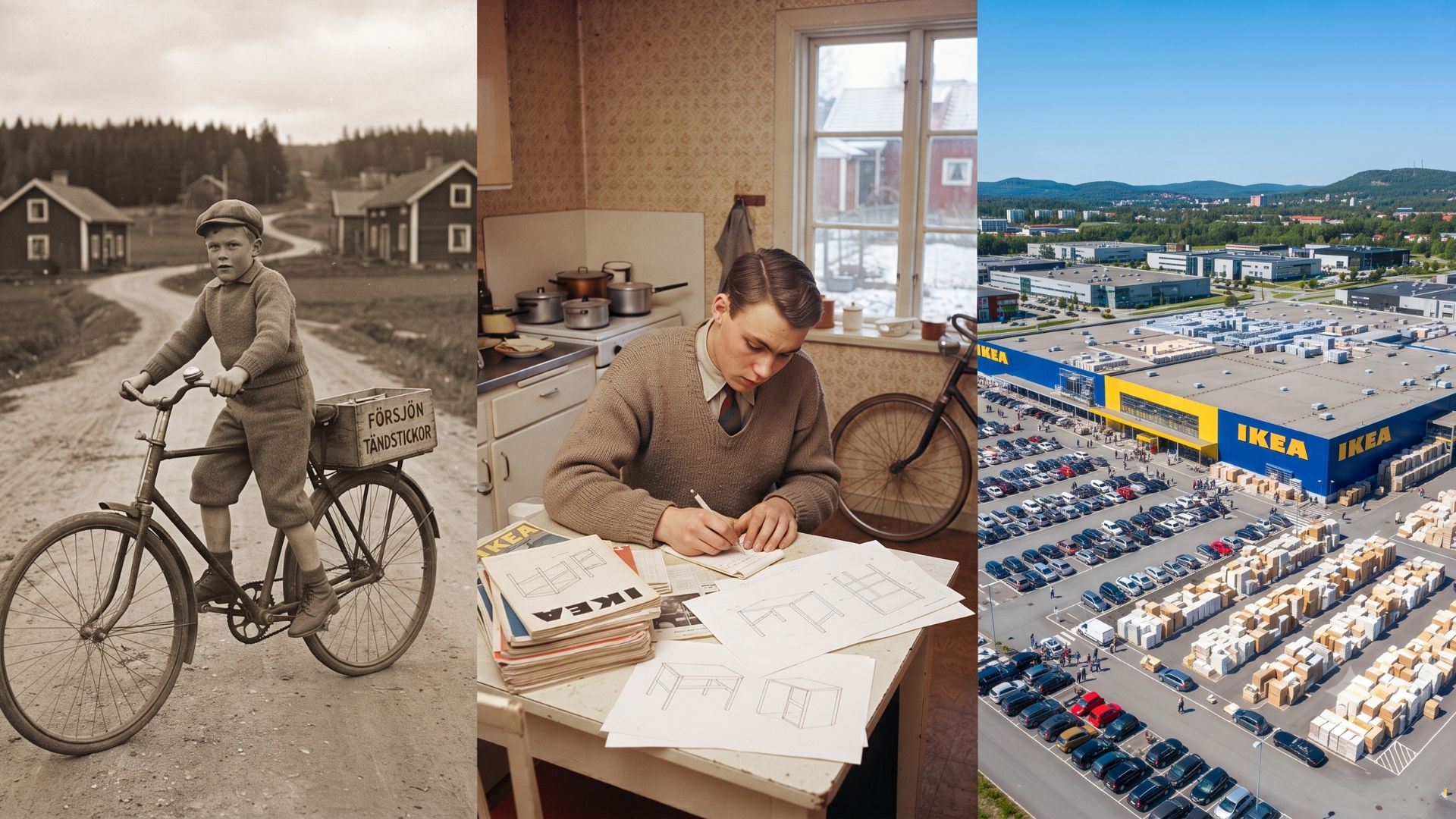
From matches sold by bicycle at age 5 to a global furniture empire: the lumberjack’s son founded IKEA at 17 in his uncle’s kitchen and transformed a small company into the largest furniture retailer on the planet.


During the weekends, the rules become even stricter.
Mowing the lawn, washing the car with noisy machines, or engaging in any activity that produces noise can result in a warning or fine.
The goal is to preserve an environment of absolute tranquility, something that the Swiss deeply value.

Even Dogs Are Subject To The Rules
The strictness does not apply only to people. Dogs cannot bark constantly in Switzerland. A noisy animal is seen as the direct responsibility of the owner, who can be penalized if it disturbs the neighborhood. The result is curious: you can hardly hear dogs barking on the streets.
Moreover, Swiss legislation prohibits social animals from living alone. This applies to:
- dogs
- guinea pigs
- fish
- parrots
Having only one animal can be considered cruelty due to isolation.
Hygiene Rules That Surprise Foreigners
Another point that causes astonishment is the extreme concern with domestic hygiene. In some regions, urinating standing up inside the house is strongly discouraged, on the grounds that splashes can cause dirt and noise. Although it is not a written national law, it is a widely accepted — and respected — social norm.
These details show how collective living is taken seriously in the country, even when it means giving up habits considered normal in other parts of the world.
Weapons Allowed, Minimal Violence
Interestingly, while daily life is filled with restrictions, Switzerland allows citizens to own firearms. Still, the country records extremely low rates of gun violence. For the Swiss, control is not in absolute prohibition, but in discipline, training, and individual responsibility.
This logic is repeated in other areas of social life: clear rules, constant oversight, and a strong collective sense.

A Country Prepared For Everything
Since the 1960s, Swiss legislation requires that all citizens have access to bomb shelters. The country has sufficient infrastructure to protect more than 100% of the population in case of a nuclear emergency, with tunnels and underground structures spread across cities, residential buildings, and even parking lots.
This level of preparedness reinforces Switzerland’s image as a country that takes security and planning to the extreme.
Strange For Some, Normal For Those Who Live There
For many foreigners, these rules seem exaggerated or even absurd. However, it is no coincidence that Switzerland constantly ranks among the safest, most organized, and happiest countries in the world. For the Swiss, the price of tranquility is precisely the strict adherence to rules — even those that seem too minor.
The cultural shock is real, but for those who adapt, the result is a predictable, quiet, and highly functional daily life.