






 Portuguese
  Spanish
  3 min of reading
  0 comments


With Over 370,000 Shelters, Switzerland Guarantees Space for All Residents in Bunkers Resistant to Nuclear Weapons and Natural Disasters
Switzerland is home to one of the largest bunker networks in the world. With 8.8 million inhabitants, the country has over 370,000 nuclear shelters. This means there are more available spots in bunkers than people throughout Swiss territory.
Camouflaged Structures Ready to Withstand
These shelters are scattered across cities, mountains, and rural areas. Some are camouflaged behind doors in forests.
Others are under houses that appear ordinary but hide concrete structures with two-meter-thick walls and windows with holes for rifles.
-
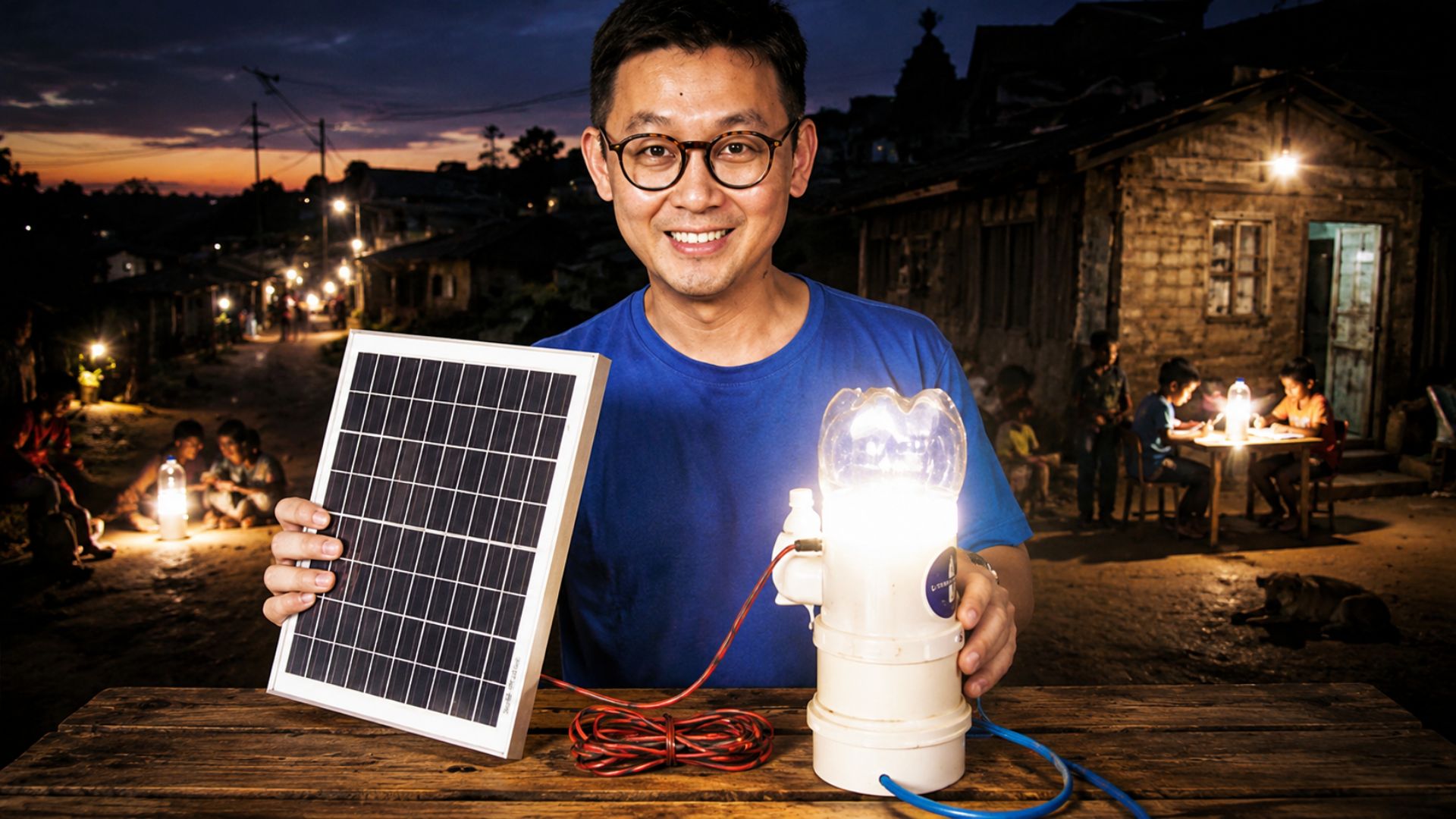
Brazilian mechanic invented a lamp made from a PET bottle during the 2001 blackout, the idea turned into an NGO present in 30 countries and has already illuminated 40,000 people in 200 communities without electricity in Brazil.

-
Centuries-old mystery gains new chapters in Greece after excavations reveal a possible lost temple of Poseidon, hidden among ancient lagoons, monumental remains, ritual objects, and an architectural plan that surprised even the experts.

-
2-month-old baby says “I love you” to parents and the video froze the internet: doctors say most babies only speak after the first year of life
-
At 98 years old, Priscilla Sitienei returned to school in uniform, sits next to children, and has a new dream: to become a doctor, after decades of working as a midwife in rural Kenya.


Since 1963, a law has required the country to guarantee a bed in a bunker for all residents, including foreigners and refugees.
The rule mandates at least one square meter per person. The shelters must be located a maximum of 30 minutes on foot from homes — or 60 minutes in mountainous regions.
A significant portion of citizens lives in buildings that already have bunkers in the basement. When this is not the case, the government provides public facilities nearby.
Resistance Against Weapons and Disasters
These shelters are not just for war. They are designed to withstand nuclear, biological, and chemical weapons, as well as conventional explosions.
The structures can support up to 10 tons of pressure per square meter. This means they can bear the weight of an entire building collapsing on them.
The air filters can purify external air, even if it is contaminated with toxic gases. In emergency situations, such as earthquakes, these places also serve as temporary housing. The idea is to protect the civilian population in any type of disaster.
Origin in War and Current Use
The protection network began during World War II, when Switzerland sought to maintain its neutrality in the face of totalitarian regimes.
During the Cold War, the system was expanded. The government encouraged the construction of bunkers in private buildings.
All shelters must undergo regular inspections every ten years. Only those in good condition receive certification.
Even so, many of these spaces have turned into wine cellars, storage rooms, or pantries. By law, in case of a crisis, citizens have two days to restore the bunkers to their original purpose.
Reformation in Light of New Risks
Many bunkers were built over 50 years ago and need modernization. In response, Switzerland announced a $250 million investment to recover and upgrade these structures.
The authorities state that the modernization focuses on public safety, not military.
The decision is linked to the global scenario. The war in Ukraine has reignited concerns about Europe’s stability and the risk of attacks on nuclear facilities.
Since the conflict began, companies like Oppidum Bunkers, Mengeu AG, and Lunor have reported a significant increase in demand for renovations and technical assessments.
Swiss Population Returns to Seeking Shelters
Citizens and representatives of local governments have been frequently asking civil protection agencies: “Where is my bunker?”, “Does it still work?”, “How can I renovate it?”. This interest shows that the topic has once again come to the forefront in the country.
For a long time, Switzerland benefited from the “peace dividend,” saving resources on defense. Now, with a new international landscape, the country is refocusing attention on its civil defense system.
While other countries are expanding their armies, Switzerland bets on prevention. Its bunker system remains a symbol of preparedness.
Even without knowing the exact location of the shelter, many Swiss people feel secure just knowing it exists.
With information from BBC.




-

1 person reacted to this.