






 Portuguese
  Spanish


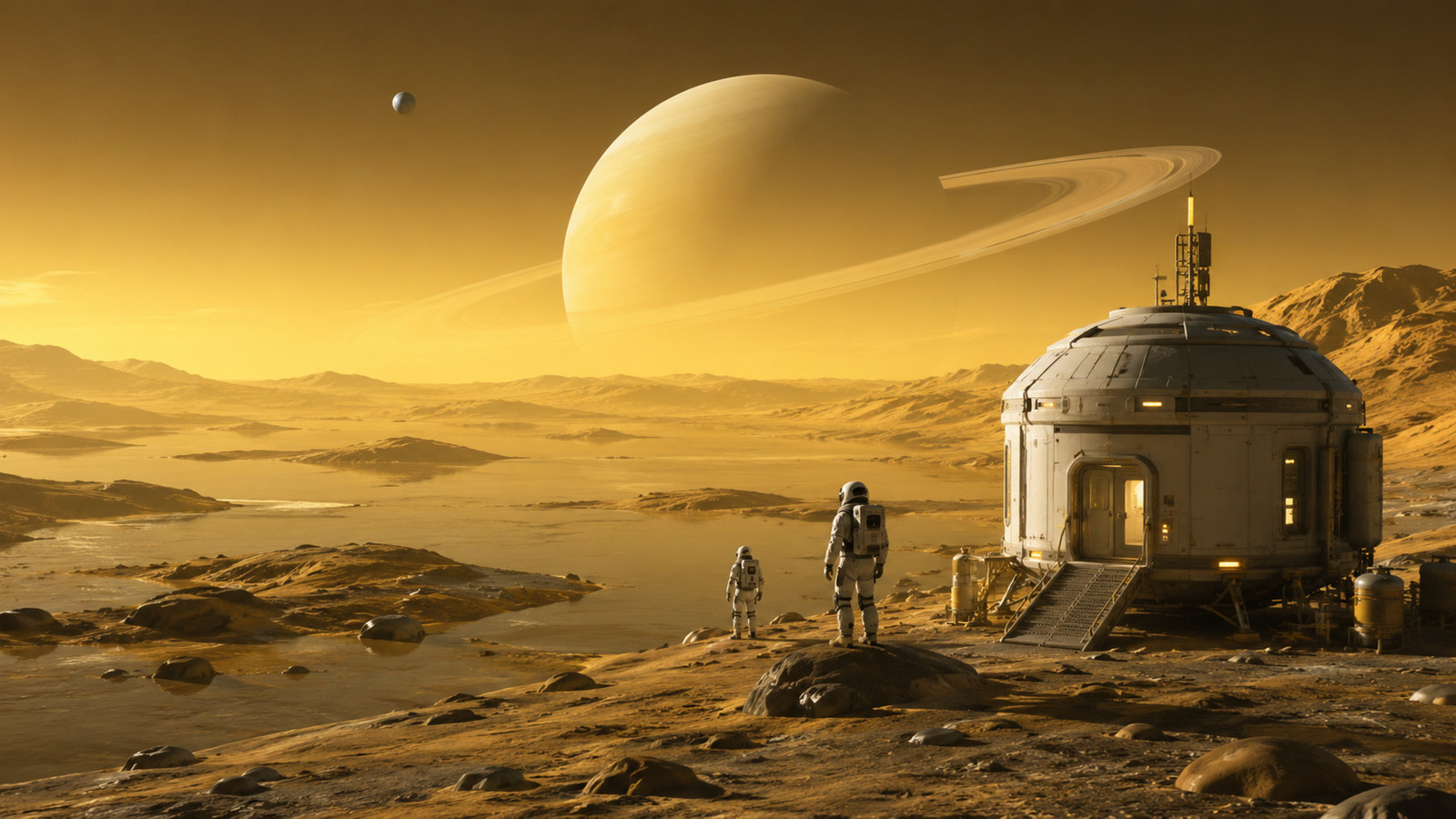

Saturn’s largest moon gathers methane, ethane, nitrogen-rich atmosphere, and other resources that, according to researchers, could fuel spacecraft and support human missions to deep space
Saturn’s largest moon, Titan, could become a future support base for manned missions to deep space, according to a study supported by NASA and currently under review for publication in the journal Acta Astronautica. Researchers claim that the abundance of hydrocarbons, combined with other natural resources present on the satellite, could allow spacecraft refueling and even sustain a human settlement in the future.


Study highlights the natural resources available on Titan
The proposal was presented by a team led by Conor Nixon, an astronomer at NASA’s Goddard Space Flight Center.
In an interview with Universe Today, the researcher stated that Titan is rich in hydrocarbons, substances that, on Earth, correspond to oil and natural gas.
-
Climate Scientist Who “Proved” Humanity Is Warming the Earth

-
Researchers Revolutionize Nanotechnology with Rocket-Inspired Modular Nanorobot for Efficient Microscopic Missions
-
Farmer in Ireland Discovers Intact Bronze Age Tomb While Moving Stone on His Land

-
AI Deciphers 1.4 Meters of Text from a 2,000-Year-Old Scroll Carbonized by Mount Vesuvius Without Unrolling It


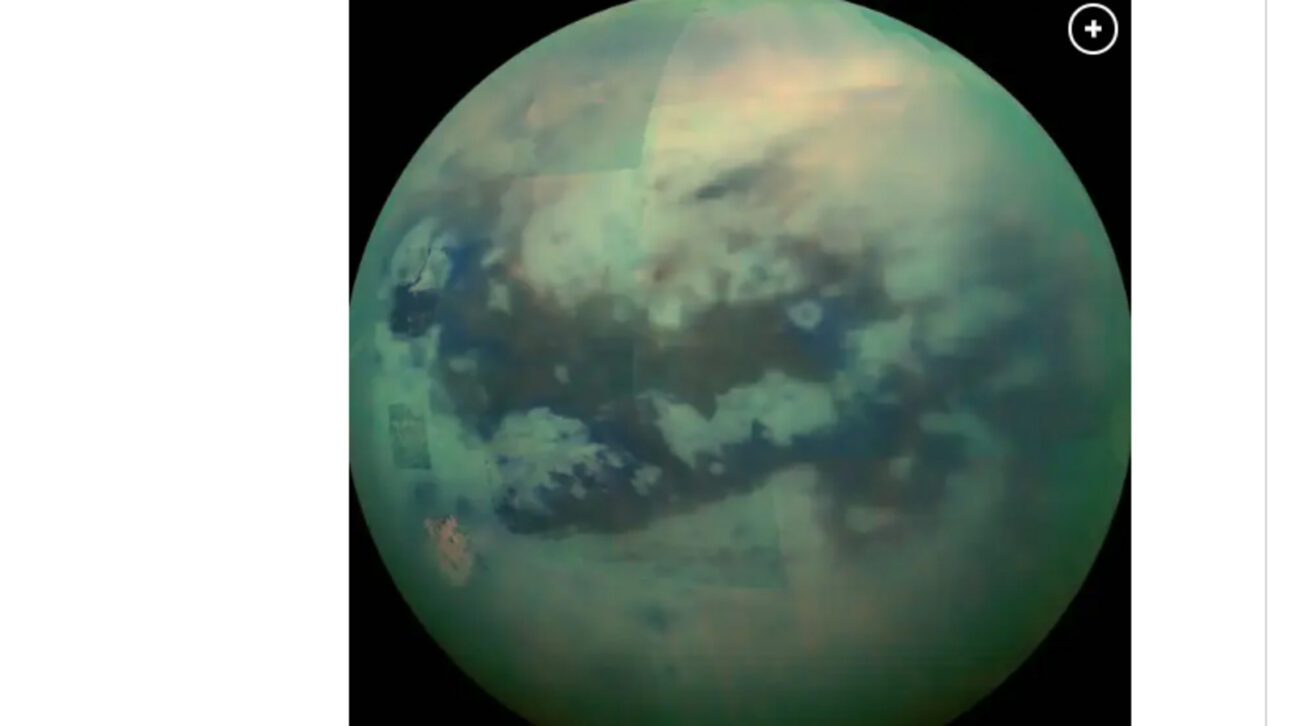
According to the study, the moon has unique characteristics in the Solar System. In addition to having a dense, nitrogen-rich atmosphere, it is the only known body, besides Earth, that has rivers, lakes, and seas on its surface.
In these reservoirs, there are large quantities of methane and ethane, compounds considered potential precursors of life.
The authors highlight that this combination of reduced carbon, nitrogen, and available oxygen makes Titan an environment particularly rich in resources for future space missions.
Fuel, food, and raw materials could be produced locally
In a message sent to Universe Today, Nixon explained that part of the rocks contains about 5% methane, a fuel used on Earth for heating and food preparation.
The surface, on the other hand, harbors heavier hydrocarbons, including propane, butane, kerosene, and gasoline.
According to the researcher, these materials could be used not only as fuel but also as raw materials to manufacture plastics, synthetic rubber, solvents, pharmaceuticals, and even food ingredients.
The study suggests that a potential base on Titan could provide fuel and various supplies needed for long-duration missions.
Among them would be raw materials intended for the production of spare parts by 3D printers, utensils, fabrics, and supplies for astronauts.
Saturn’s moon could serve as a stopover for longer journeys
The researchers propose that Titan function as a stopover point for missions returning to Earth or heading towards the more distant regions of the Solar System, including Neptune, Uranus, and other moons of Saturn.
According to the memorandum cited by the study, a spacecraft could refuel both fuel and essential resources before continuing its journey.
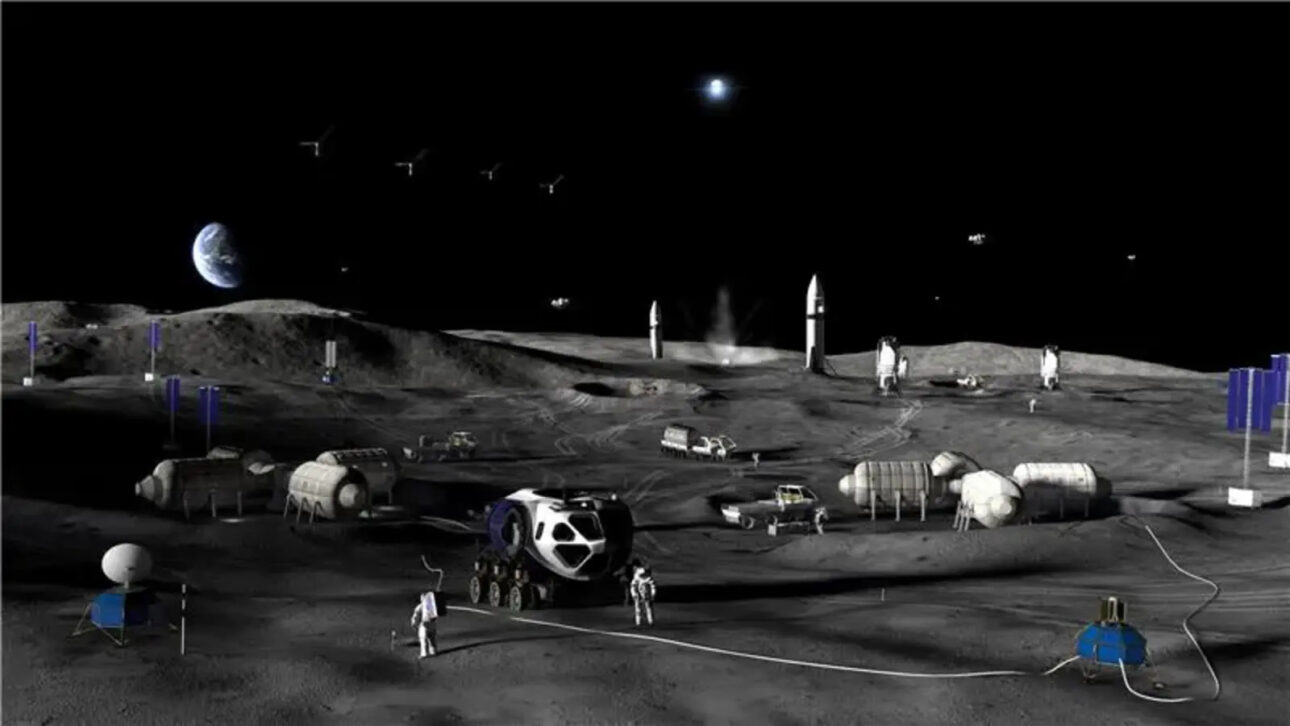
The authors note that the Moon, where NASA has already indicated the possibility of starting the construction of a base from 2027, has much smaller reserves of hydrocarbons compared to Titan.
Extreme environment still represents a major challenge
Despite the potential, the researchers acknowledge that establishing a base on Titan would require overcoming extremely adverse conditions.
The average surface temperature is approximately -180 °C. Additionally, the atmospheric pressure is about 50% higher than Earth’s, while gravity is only one-seventh of that found on the planet.
Even so, the study concludes that the unique resources present on Titan could motivate future missions aimed at exploiting these raw materials.
While this scenario remains speculative, NASA already has a mission scheduled to explore the moon.
The launch of the Dragonfly mission is scheduled for 2028 and will aim to investigate whether Titan has the necessary ingredients to harbor life.
This article was prepared based on information from the study supported by NASA under review for publication in the journal Acta Astronautica and on statements published by Universe Today, with data, numbers, and statements preserved as per the consulted material.


