Portuguese
  Spanish




Chinese Tankers Near Venezuela Elevate Tension, With Direct Impact on Exports, Naval Escorts, and Risk of Military Escalation
The presence of Chinese tankers on voyages related to Venezuela remains active despite a U.S. blockade and a growing campaign of ship seizures.
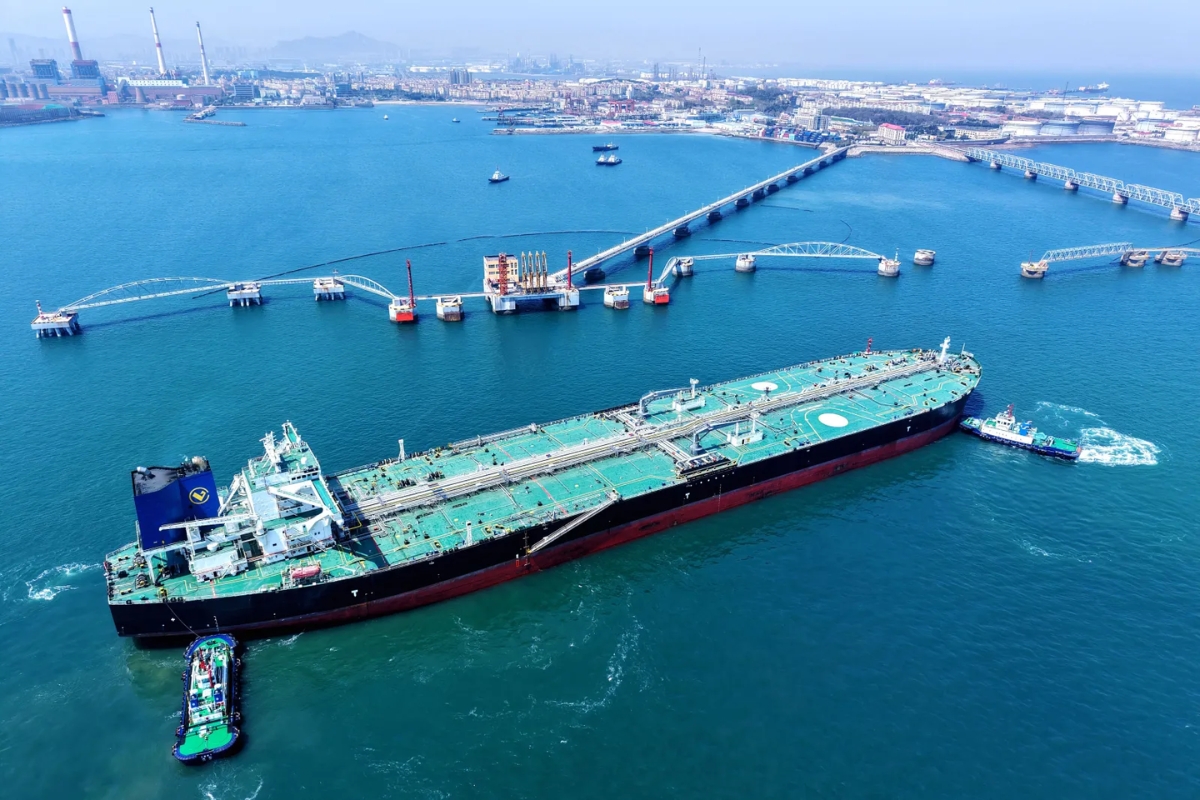
Two VLCCs flying under the Chinese flag operate near Venezuelan waters. The Thousand Sunny is expected to arrive in mid-January, while the Xing Ye remains waiting off the coast of French Guiana.
The scenario gained political weight after China positioned itself against oil seizures and U.S. naval pressure on Venezuela. This movement occurs amid measures to reduce oil export revenues that fuel Caracas.
-
Oil production grows in Rio, but reserve replacement raises a warning sign

-
Petrobras is expected to complete the drilling of the Morpho well in the Foz do Amazonas in August 2026, the first well in the Equatorial Margin, an oil frontier that the ANP estimates at more than 30 billion barrels and could redraw the map of Brazil.

-
Oil returns to the center of concerns with tension between the US and Iran

-
IEA reduces forecast for global oil demand in 2026 after impacts of the Middle East crisis



What Happened and Why It Caught Attention
The Thousand Sunny is heading for the area linked to the Jose Terminal with expected arrival in mid-January. The vessel was sailing in the southern Atlantic on Monday, after rounding the Cape of Good Hope without cargo.
There was no deviation or speed reduction after the announcement of an oil blockade in mid-December. The ship is not sanctioned by the U.S. and has been transporting Merey oil from Venezuela to China for half a decade.
At the same time, the Xing Ye is sailing slowly off the coast of French Guiana while waiting to load at the Jose Terminal. The ship’s ownership remains undisclosed, and the destination after passing through Venezuela is not defined.

How U.S. Naval Pressure Is Being Applied
The maritime offensive includes seizures and pursuits of vessels associated with the flow of Venezuelan oil. The U.S. seized the Centuries, flying the Panama flag, and the VLCC Skipper.
There is also a pursuit of the Bella 1, described by authorities as a sanctioned Venezuelan vessel, operating under a false flag under a court seizure order.
The goal is to limit oil exports and thus reduce resources that reach the Venezuelan government. The dispute intensifies as new enforcement actions appear on the routes of ships operating in the area.
Venezuela’s Response and Escorts Along the Coast
Venezuela claims that the blockade will not prevent its oil shipments. There are reports of sending vessels to escort commercial ships carrying oil and derivatives.
Venezuelan gunboats have started to accompany vessels carrying oil and petroleum products. However, this coverage appears limited to the territorial waters of the country.
The government of Nicolás Maduro accuses Washington of targeting sovereign exports and natural resources. On the other side, Donald Trump promises to increase U.S. military presence in the region.
Impact on PDVSA Operations and Oil Production
Petroleos de Venezuela SA, PDVSA has started closing wells in the Orinoco Belt as storage fills up and pressure on exports increases.
There is a target to reduce production by at least 25% to 500,000 barrels per day. This decision appears as an operational response to the logistical and commercial squeeze imposed on oil flow.
Even with this scenario, Chevron continues exporting Venezuelan oil under a special license from the U.S. government. This maintains an active exit channel within specific rules.
China and Russia Raise the Tone at the UN
China is a creditor of Venezuela for loans of tens of billions of dollars, largely repaid with oil shipments. Diplomatic support was also evident in an emergency meeting of the UN Security Council.
The Chinese ambassador to the UN, Sun Lei, criticized U.S. actions and rhetoric and called for the cessation of measures that escalate tensions. His remarks highlighted concerns about regional stability and the risk of escalation.
Russia also condemned the blockade, labeling the measure as aggression, warning that the pressure may not be pinpointed. This position reinforces the geopolitical weight of the impasse surrounding Venezuela.
What May Happen From Now On
With the Thousand Sunny approaching the Jose Terminal in the coming weeks and the Xing Ye awaiting in the area, the central point becomes the practical application of the blockade at sea.
How enforcement will be executed may determine whether the tension turns into an even greater dispute. The region is already experiencing ship seizures, local escorts, and signs of increased military presence.
The U.S. has conducted more than 20 military attacks on vessels suspected of drug smuggling in international waters since September. This history increases the risk of new episodes in the short term.
The movement of Chinese tankers, the Venezuelan response, and U.S. naval pressure leave the scenario with the potential for escalation, especially if new seizures or interceptions occur near cargo routes.
The presence of Chinese VLCCs near Venezuela and the execution of the U.S. blockade form the core of a dispute affecting exports, production, and maritime security.
In the coming weeks, the advancement of the Thousand Sunny and the waiting of the Xing Ye may indicate whether the Venezuelan oil route will continue operating or face new barriers at sea.