Portuguese
  Spanish


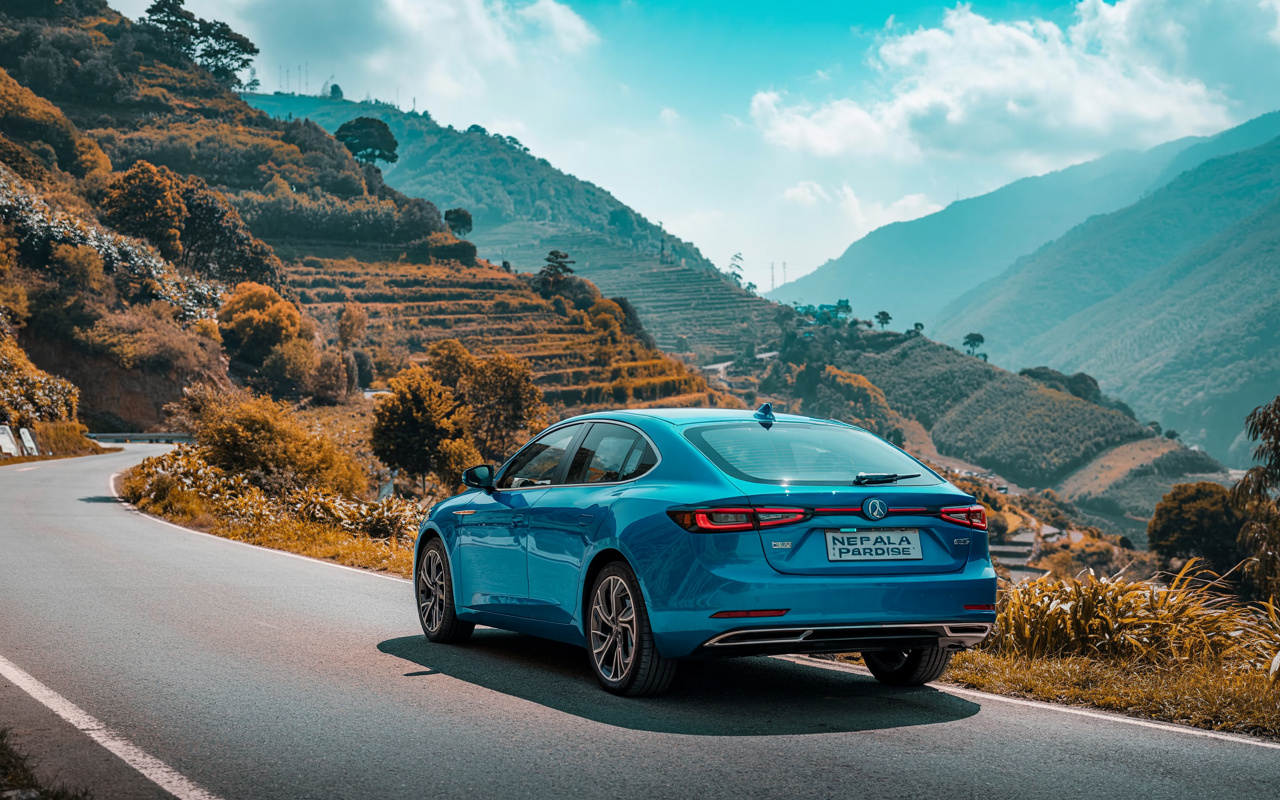

With 76% of New Cars Being Electric in 2025, Nepal Surprises and Takes the Global Lead in Electric Vehicle Adoption. Understand How the Asian Country Transformed Its Automotive Market with Public Policies and Clean Energy
In 2025, Nepal surpassed powers like China, Norway, and the United States in the race for vehicle electrification. With 76% of new cars sold being electric, the country gained international recognition for its speed and efficiency in adopting electric vehicles. According to the Department of Road Transport, this rate places Nepal as a world leader in the proportion of new electric vehicles, surpassing historically advanced nations in this sector.
The rapid and efficient transformation is surprising given the context: a country with modest infrastructure but aggressive public policies, smart import tariffs, and an energy matrix that is almost 100% renewable. This combination made Nepal the new paradise for electric cars in 2025.
How Nepal Became a Global Leader in Electric Cars
Nepal achieved a prominent global position in vehicle electrification thanks to a series of strategic political decisions. The country implemented reduced tariffs for EV imports, tax exemptions for low-power models, and policies for the electrification of public fleets.
-
Unprecedented achievement in India: a colossal 650-ton, nearly 3,000 hp excavator is transformed into 100% electric, marking a new phase in heavy mining.

-
Frightened by the speed of Chinese manufacturers, Renault decided to mimic the pace, made the new electric Twingo in just 21 months, wants to repeat the feat with 36 models by 2030, and along the way, will cut up to 2,400 engineering positions.

-
Chinese battery from Dongfeng promises to exceed 1,000 km without relying on liquid electrolyte, and the detail behind the technology could change the electric car competition.

-
The end of the automotive combustion era has already begun, but many in Brazil have not yet realized the magnitude of the shift towards Chinese electric cars.
While combustion vehicles face taxes of up to 300%, electric cars in Nepal are imported with taxes ranging from 10% to 40%. This has resulted in significantly lower final costs for electric vehicles, even compared to neighboring countries like India and Bangladesh.
Combined with this are policies focused on sustainability and financial incentives, with the government promoting the adoption of EVs across various regions of the country, making Nepal an example of efficient energy transition.
The Strength of Clean Energy in the Electric Vehicle Market in Nepal
One of the pillars of the electrification strategy in the country is its predominantly renewable energy matrix. Nepal obtains over 90% of its energy from hydropower plants, according to the Nepal Electricity Authority. This allows EVs to operate with clean energy, resulting in virtually zero emissions during use.
Unlike countries that still use coal and gas to generate electricity, Nepal benefits from sustainable supply, further enhancing the positive environmental impact of electric mobility. This supply model not only reduces carbon emissions but also lowers the cost per kilometer driven by vehicles.
Low-cost electricity has encouraged families and businesses to switch to EVs, driving the continuous growth of the electric vehicle market in Nepal.
Charging Infrastructure and Support from the Private Sector
Even with geographical limitations, Nepal has rapidly advanced the deployment of charging points. In the past two years, hundreds of public stations have been installed in cities such as Kathmandu, Pokhara, and Butwal.
Nepal currently has over 750 charging stations, both public and private, in operation, and electric sector authorities plan to expand this infrastructure in the coming years.
Private companies like BYD, Tata Motors, and Hyundai are expanding their charging infrastructure, often through public-private partnerships. This collaboration has allowed major urban centers to have fast and semi-fast charging stations, increasing consumer confidence in the usability of EVs.
Public Policies Boosted the 76% of EVs in Nepal in 2025
The record number of 76% of EVs in Nepal in 2025 was achieved through a coordinated set of policies. In addition to tax reductions, the government offers exemptions from registration and licensing fees for electric vehicles, as well as easier access to credit lines and subsidies in certain price ranges.
Other measures include incentives for converting combustion vehicles to electric, training programs for mechanics specializing in EVs, and support for innovation in the battery sector.
The result is a population that is increasingly confident and willing to switch to electric, especially among the age groups between 25 and 45, who see electric cars as a symbol of modernity and environmental consciousness.
Top Electric Car Models Sold in Nepal
The growth of the market has prompted the entry of several brands into the country. Today, the top electric cars in Nepal include:
- BYD Dolphin – Compact hatchback with ideal urban autonomy;
- Tata Nexon EV – Popular electric SUV in urban and suburban areas;
- MG ZS EV – SUV with good interior space and onboard technology;
- Hyundai Kona Electric – One of the first EVs sold in the country;
- Neta V – Entry-level model with a range of up to 380 km.
These models dominate the market thanks to their balance of affordable pricing, simple maintenance, and good range for daily use in cities.
Challenges Persist, But the Model Is Promising
Despite the advancements, Nepal still faces obstacles. Charging coverage in rural and mountainous areas remains limited. Additionally, reliance on imported vehicles and parts puts pressure on the local economy, especially with currency fluctuations.
The availability of models is still relatively concentrated among few manufacturers, which limits competition and variety for consumers. There is also a need for improvements in technical training and the expansion of specialized workshops.
Nevertheless, the country is already studying policies for local production of components and incentives for national manufacturing of batteries and EVs, with the aim of reducing costs and generating jobs.
Nepal Electric Cars: The Future of Electric Mobility
Nepal’s leadership in electric cars with 76% of EVs by 2025 demonstrates that the success of electrification does not depend solely on financial resources or advanced infrastructure. With well-planned public policies, a focus on sustainability, and support for the population, a real energy transition is possible, even in developing economies.
The Himalayan country transformed a challenging reality into an opportunity. Nepal’s example shows that with well-structured public policies, it is possible to achieve a successful energy transition, even in developing countries. The country serves as an inspiration for other nations seeking to reduce their carbon emissions and promote sustainable mobility.