Portuguese
  Spanish


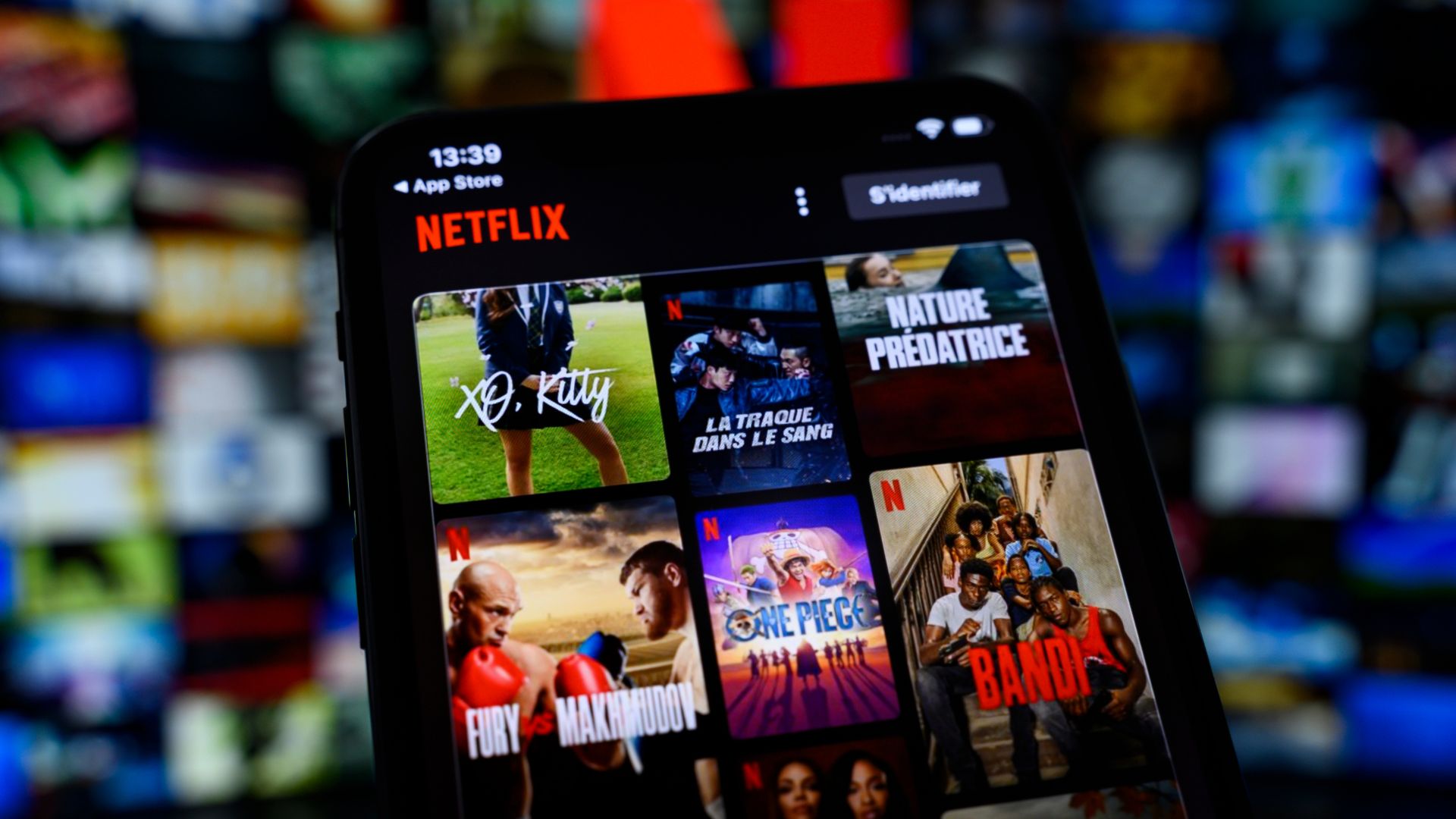

The new Netflix interface uses generative artificial intelligence to create personalized feeds, facilitating the discovery of movies and series through instant clips.
Netflix announced a deep restructuring of its global platform for 2026, aiming to transform the content discovery experience through a TikTok-style video feed.
The new interface, which integrates vertical videos as a central pillar of mobile navigation, uses advanced algorithms to present dynamic snippets of movies and series. This strategic change aims to reduce user decision fatigue and compete directly for the attention currently held by short video social networks.
The expansion of artificial intelligence in personalization
The implementation of the new feed is supported by a expansion of artificial intelligence that analyzes consumption patterns in real-time to provide hyper-specific recommendations.
-
How to Prevent Brown Recluse Spider Bites: Common Hiding Spots and Free Tips to Reduce Risks

-
Natto: The Unusual Japanese Superfood Gaining Popularity on Social Media and Driving Record Exports
-
Brazilian Mayor Goes Undercover as Homeless for 24 Hours to Assess Public Services

-
15-Year-Old Entrepreneur Malu Lira Publishes 20 Children’s Books on Financial Education, Earns $500,000, and Expands Her Project to the Amazon Rainforest




The system not only selects titles but also uses generative AI to personalize the covers and trailers displayed in the vertical feed according to each subscriber’s profile. With this technology, the platform can predict which moments of a work have the highest engagement potential, automating the creation of clips that are served instantly in the app.
In addition to content curation, the expansion of artificial intelligence reaches the company’s advertising infrastructure. Netflix plans to launch, still in 2026, interactive ad formats generated by AI, which appear contextually during natural breaks or pauses in programming.
These innovations aim to double the company’s advertising revenue, leveraging the high attention rate that the vertical video format provides to mobile device users.
Intuitive navigation and the new TikTok-style video feed
The design of the TikTok-style video feed has been crafted to be fluid, eliminating technical barriers such as loading time and buffering.
Through a data preloading technique, clips start playing immediately as the user scrolls the screen, allowing for quick exploration of the catalog. The interface simplifies the consumer journey into three main pillars: resuming what they were watching, discovering new productions, and adding titles to their watchlist.
The use of the TikTok-style video feed is an evolution of previous experiments on the platform, such as “Fast Laughs,” but now with a complete integration into the global ecosystem. By adopting infinite scrolling, Netflix adapts its vast catalog of original productions to a consumption behavior already established among younger generations.
The platform hopes that this dynamic will increase retention time and member satisfaction by finding content in a more organic way.
Impact on retention and the future of streaming
The convergence between the TikTok-style video feed and the expansion of artificial intelligence positions Netflix as a hybrid between a streaming service and a discovery social network.
The company emphasizes that the goal is not to replace long-form productions but rather to create a more efficient engagement funnel for its premium catalog. Data collected during testing periods indicate that users who interact with the vertical feed tend to start new series more frequently.
With the consolidation of this strategy, Netflix hopes to solidify its leadership in an increasingly fragmented market due to competition. The expansion of artificial intelligence will allow the platform to scale this personalization for different languages and cultures simultaneously, maintaining global relevance.
The future of streaming, according to the company’s vision for 2026, is marked by immediacy, interactivity, and an interface that understands viewer preferences even before the first click.
With information from Interesting Engineering