






 Portuguese
  Spanish


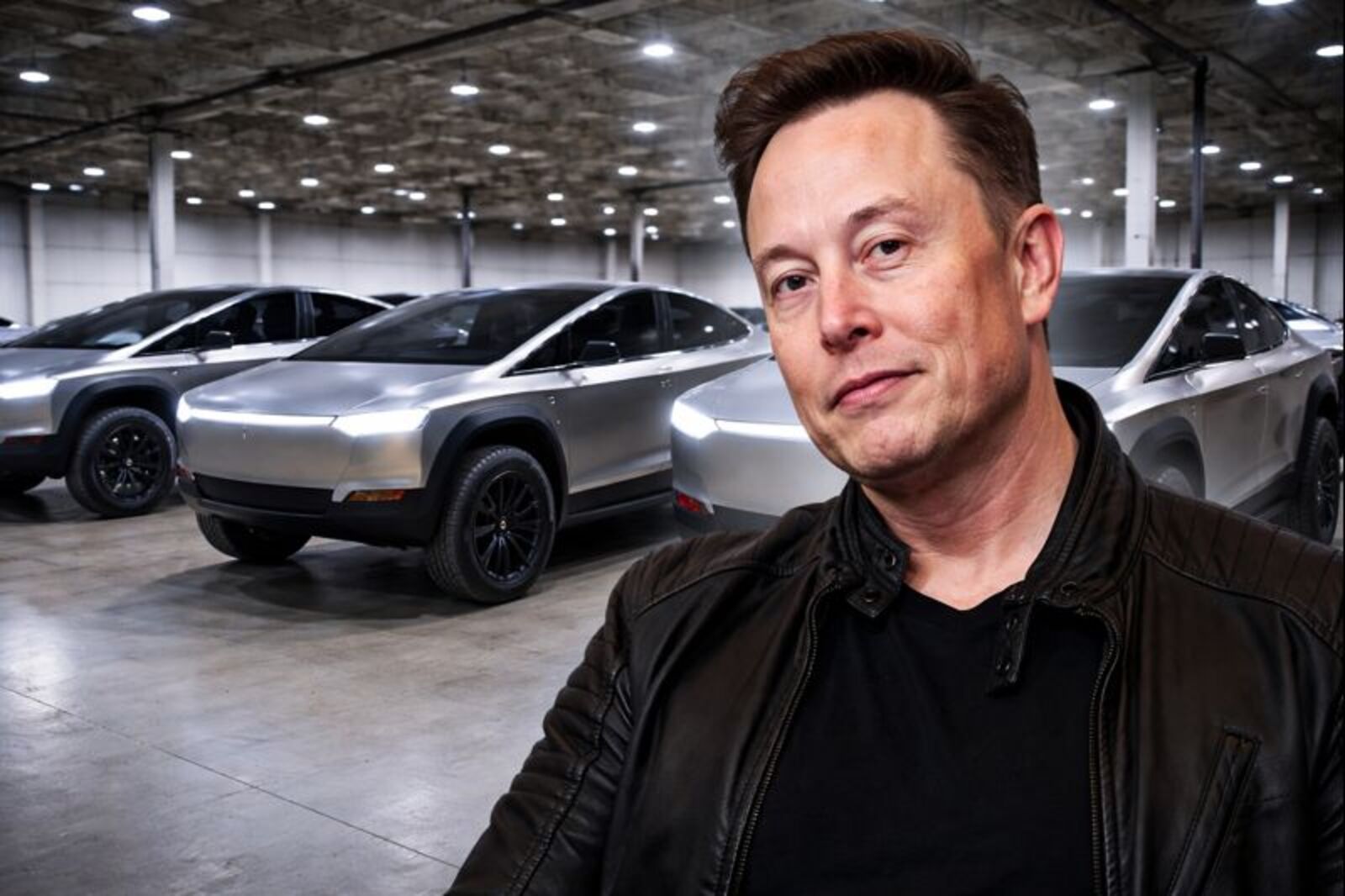


Internal sales of SpaceX helped inflate Cybertruck numbers in the US and raised market doubts about real demand
The Cybertruck accounted for 7,071 registrations in the United States in the last quarter of 2025, but 1,279 of those units were purchased by SpaceX, the company owned by Elon Musk. This operation matters because it inflated the official growth of the pickup and reinforced doubts about demand. The data is from this article from Autopapo.
Internal sales of the Cybertruck
Tesla used purchases made by SpaceX, a company controlled by Elon Musk, to support Cybertruck numbers in the US.
During the period, nearly one in five registered units of the pickup was destined for the space company of the same group.
-
2027 Toyota Corolla Cross Unveiled: New Design, Enhanced Fuel Efficiency, Reduced Maintenance Costs, Advanced Technology, Connected Services, and Up to 10-Year Warranty

-
Fiat Cronos Precision 2018: Affordable Sedan with Spacious Trunk and Reliable Maintenance
-
Volkswagen to Cut Production by 1 Million Cars by 2030, Reducing Jobs and Platforms, Focusing on More Profitable Models

-
Toyota Launches First 100% Electric Car in Brazil: bZ4X with 343 HP, All-Wheel Drive, 361 km Range, Priced at $419,990 BRL, Limited to 99 Units




Without this internal help, the growth of Cybertruck sales would have been only 7%, not 31%, as officially recorded.
The increase was also temporary, as the beginning of 2026 ended with 3,519 registrations.
Distant promises
The numbers reinforce, for critics, the low public adoption of the Cybertruck. The model remains far from the projections made by Elon Musk when he introduced the pickup.
In 2019, Musk promised a Cybertruck with a starting price of $39,900 and celebrated a line of 1 million reservations.
Today, the entry-level version exceeds $80,000, and annual production remains below 10% of the projected 250,000 units.
Suspicions grow
Documents sent to regulatory bodies and revealed by Bloomberg show that SpaceX spent $2 million on Tesla vehicles in the first half of 2024.
Although corporate sales are common in the industry, the connection between the companies raised suspicions of artificial demand.
This type of operation helps Tesla record deliveries in quarterly reports. This occurs at a time of skepticism about the viability of the Cybertruck’s exotic design and its range compared to traditional competitors.
Narrative under pressure
In the market, the term “fugazi sales” has begun to be used to describe a movement seen as illusory.
The practice would indicate an attempt to protect the automaker’s stock value and sustain the growth narrative.
By transferring Cybertruck units to SpaceX, Musk attempts to reduce the perception that the pickup, after years of delays and technical revisions, has not become the mass phenomenon promised in the initial hype.
The move also keeps this narrative under less pressure.
Analysts say that the lack of transparency about how many units go to companies within the same group makes it difficult to measure the real profit of the electric division.
Without separating end consumers and internal transfers, investors remain under a statistical fog that preserves optimism on Wall Street.
With information from Auto Papo.







