Portuguese
  Spanish


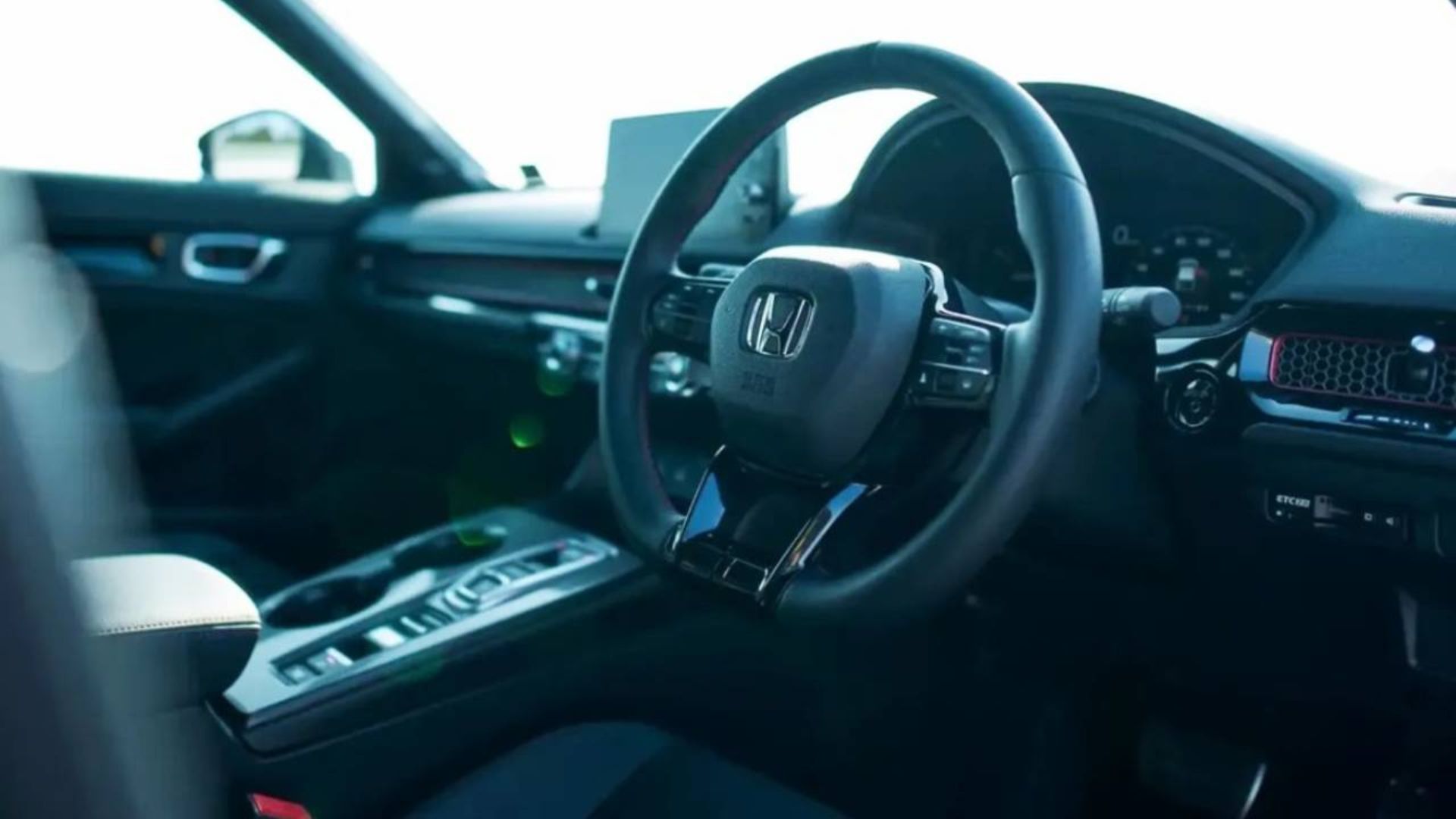


Hybrid version with a sporty feel bets on technology that simulates gear changes, combines electric efficiency with dynamic performance, and reinforces Honda’s strategy to attract drivers looking for more involvement behind the wheel without giving up reduced consumption.
Honda has opened pre-sales in Japan for the Civic e:HEV RS, a new hybrid version with sporty appeal that combines a 2.0 naturally aspirated engine, two electric motors, and the S+ Shift system, technology created to simulate gear changes even without a manual transmission.
The model starts at 4,660,000 yen, a value equivalent to approximately R$ 153 thousand in direct conversion, without Brazilian taxes, freight, or import costs.
The configuration is above the conventional RS in the Japanese market, but remains below the Civic Type R.
-
1983 Chevrolet Runs Over 100,000 km Without Gasoline, Powered by Wood Chips, Reaches 125 km/h in Airport Test

-
Workshop Converts Giant Tractor Tire Tricycle into a Three-Wheel Drive Hybrid with 36,000-Watt Electric Motor Capable of Climbing Hills

-
Sales of Brazil’s Cheapest Electric Car Halted Before First Deliveries: E-Motors Suspends Emova Easy Due to Import Tax Increase and Rising Freight Costs

-
Nissan Discontinues Qashqai SUV Amid Cost-Cutting, Chinese Competition, and Product Line Review



The main novelty is Honda’s attempt to preserve a sportier feel in a hybrid car.
As the e:HEV powertrain does not use a traditional manual transmission, the brand adopted steering wheel controls and console buttons to create a driving experience closer to models with simulated gears.
Civic hybrid’s S+ Shift system bets on a sporty gearshift feel
The feature called Honda S+ Shift adjusts engine torque, RPM, and sound response to reproduce the feel of a transmission with defined gears.

The technology had already appeared in the new Prelude and now arrives in the Civic e:HEV RS.
When the mode is activated, the paddle shifters behind the steering wheel allow the driver to simulate downshifts and upshifts.
Without the S+ Shift in operation, these same controls then manage the level of energy regeneration during braking.
The solution does not transform the hybrid Civic into a manual car, but seeks to reduce the typical linear feel of electrified systems.
The proposal is to deliver more engaging responses without abandoning the efficiency of the hybrid powertrain.
2.0 hybrid engine with 181 hp and suspension adjustments reinforce sporty proposal
The Civic e:HEV RS uses a 2.0 naturally aspirated gasoline engine combined with two electric motors.
The powertrain delivers 181 hp, a number cited in international markets, equivalent to approximately 184 PS by metric conversion.
In addition to the engine, Honda applied specific adjustments to the suspension, steering, and dynamic response.
The version received firmer springs, recalibrated shock absorbers, and more direct steering, reinforcing the sporty proposal within the Civic family.
The visual design also follows this line.

The hatch features a front bumper with a more aggressive design, red emblems, darkened headlights, black accents, and 18-inch wheels with a Matte Berlina Black finish.
At the rear, the dual exhaust outlets appear as a visual element, without significant mechanical function.
For those seeking a more distinctive appearance, Honda offers accessories such as a rear wing, rear spoiler, and bumper extensions.
Lever-less interior highlights electronic controls and Prelude inspiration
Inside, the Civic e:HEV RS maintains a darkened cabin, seats with red accents, and a sporty steering wheel.
The most noticeable change is in the center console, which abandons the gear lever used in manual versions.
In place of the part, selection buttons and controls associated with the hybrid system appear.
This choice brings the model closer to the Prelude, especially in how Honda tries to compensate for the absence of a conventional transmission.
The strategy shows how the Japanese brand tries to cater to drivers who still value driving engagement, even in an electrified car.
The Civic e:HEV RS does not replace the Type R, but occupies an intermediate range between efficiency and sportiness.
Price in Japan and scenario for possible arrival in Brazil
In Japan, the starting price of 4,660,000 yen positions the Civic e:HEV RS as one of the most expensive versions in the regular lineup.
The difference to the gasoline RS with manual transmission is about 261,100 yen.

For Brazil, there is no official confirmation of the launch of the Civic e:HEV RS.
The national lineup remains focused on the imported hybrid Civic, sold in a sedan configuration and positioned more towards comfort, technology, and efficiency.
The arrival of a sporty hybrid version would depend on commercial strategy, production availability, and price viability.
As the Civic sold in Brazil already occupies a high market segment, an imported RS configuration would tend to be even more expensive.
The new Civic e:HEV RS, for now, targets the Japanese consumer who wants a hybrid with a sporty appearance and more engaging responses.
Honda’s focus is less on extreme performance numbers and more on the feeling behind the wheel, especially through the use of S+ Shift.