Portuguese
  Spanish


Xiaomi’s smart shower attracts attention with its tempered glass design, wide spreader, and independent controls, but the model launched in China relies on an external heating system and has no official sales forecast in Brazil yet.
Xiaomi introduced a new shower set from the Mijia line in China, focusing on premium finish, independent mechanical control, and integration with heating systems, expanding the brand’s presence in household products beyond phones and connected electronics.
Called Mijia Shower Head in international publications, the product entered a crowdfunding campaign on the Youpin platform with a promotional price of 899 yuan, equivalent to about R$ 665 in direct conversion at the consulted rate.
For regular sales, the suggested price is 1,099 yuan, approximately R$ 812, not considering taxes, international shipping, import costs, or any margins applied by resellers outside the Chinese market.
-
Brazilian Mechanic Wins Indian Presidential Award for Inventing Fuel-Efficient Agricultural Machine

-
Brazilian Polilaminin Reaches 100 Spinal Cord Injury Patients Through Compassionate Use, Shows Progress After 6 Months, Highlighting UFRJ’s Role in Experimental Regeneration Research

-
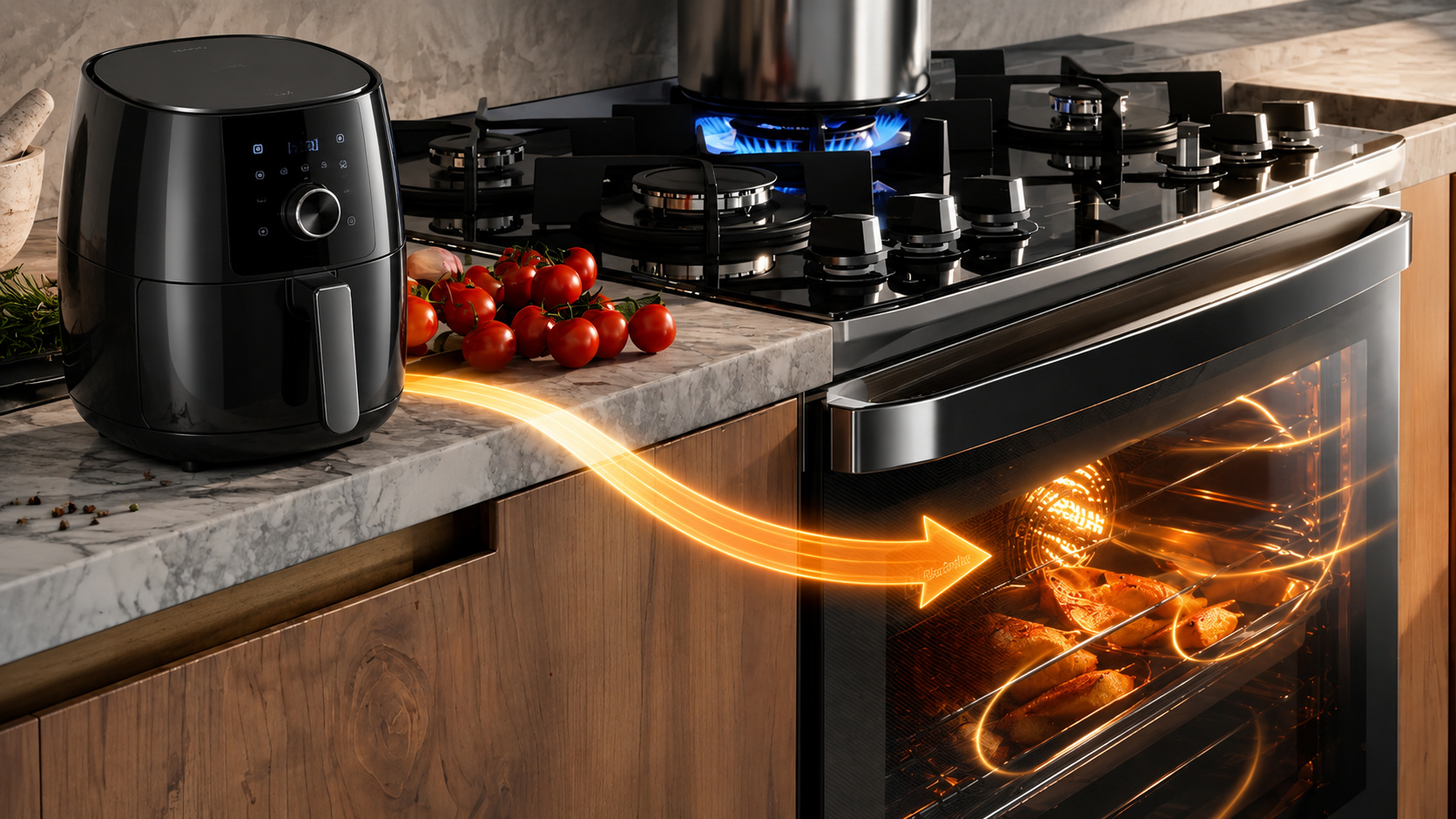
Electrolux Unveils New Stove with Integrated Airfryer, PerfectCook360, VaporBake, Grill, Glass Top, and Oil-Free Large Portion Cooking

-
Brazil Approves Non-Hormonal Drug to Alleviate Menopausal Hot Flashes, Potentially Transforming Treatment



Although the title relates the launch to the common electric shower, the model does not work like the popular devices in Brazil, which heat water through an electric resistance installed in the equipment itself.
In practice, Xiaomi’s proposal is closer to a shower and mixer system for bathrooms with external heating, prepared plumbing, and a hydraulic structure compatible with hot and cold water.
Mijia smart shower bets on tempered glass and integrated look
With a top panel in tempered glass, Xiaomi’s new set combines visual appeal and functional use, as the surface also serves as a support for common bath items like shampoos, liquid soaps, and other hygiene products.
The integrated platform is 370 mm wide and was designed to reduce the need for niches, shelves, or extra accessories, especially in small bathrooms or projects seeking a cleaner appearance.

Instead of relying on supports installed separately on the wall, the shower’s own structure provides storage space, keeping products within the user’s reach and avoiding additional interference with the room’s finish.
Another highlight of the set is the square top spreader of 305 mm, a size above the average of traditional electric showers sold in Brazilian retail and closer to the wide showers used in higher standard bathrooms.
With this dimension, the idea is to deliver a larger coverage area during the shower, distributing the jet more evenly and creating an effect similar to ceiling showers or models known as “rain showers.”
Besides the main spreader, the system offers four water outlet modes, activated by separate controls, allowing users to switch between different usage forms without relying solely on conventional taps.
This configuration aims to make activation more intuitive and precise, as each function can be selected individually, reducing repeated adjustments and making it easier to choose the most suitable flow for each shower moment.
Piano Key-Shaped Controls Facilitate Use
Among the most visible design elements of Mijia are the independent buttons with a look inspired by piano keys, a solution that organizes the commands in a front area and makes it easier to identify the available functions.
Each key activates a specific water outlet, allowing a direct change in shower mode and reducing the need to turn taps until finding the desired combination of pressure, temperature, and flow direction.
A continuous temperature adjustment button was also included, described in Chinese materials as a stepless control, a feature aimed at gradual regulation in bathrooms prepared to mix hot and cold water.
The function, however, depends on a compatible heating system and adequate plumbing installation, as the Xiaomi set does not produce hot water on its own like common electric showers in Brazil.
Chinese specialized vehicles also point out support for multiple simultaneous outlets, a feature that allows combining more than one water flow at the same time, provided the available pressure in the property is sufficient.
In the structure, the manufacturer uses 59 brass with antibacterial treatment, a material used in hydraulic parts for offering mechanical resistance and durability, as well as additional protection for frequent use in humid environments.
The set was also advertised with corrosion resistance, a relevant characteristic for a product exposed daily to steam, splashes, and temperature variations, factors that usually accelerate the wear of metals in the bathroom.

Xiaomi model does not directly replace the common electric shower
Despite the comparison with electric models, there is a central technical difference that changes the type of installation required by the product and limits a direct replacement in much of Brazilian properties.
In Brazil, the traditional electric shower heats the water internally, usually requires a dedicated electrical point, compatible circuit breaker, and wiring designed for high power, but does not require an external hot water system.
The Xiaomi model, on the other hand, relies on a hydraulic structure capable of supplying heated water to the mixer, which makes it similar to showers used with gas heaters, boilers, central heating, or similar systems.
For this reason, it may make sense in houses and apartments that already have external heating, but does not directly replace a conventional electric shower without adaptations in the property.
This distinction is important for Brazilian consumers because the cost of adoption involves not only the price of the product but also possible construction work, plumbing adjustments, and technical evaluation of the existing installation.
When the property already has compatible infrastructure, such a shower can be installed as part of the bathroom finish, without requiring such profound changes to the available heating system.
In residences without piped hot water, however, the exchange would require a larger intervention, which reduces the direct comparison with simple installation electric showers widely available in national retail.
So far, there is also no confirmation of an official launch in Brazil, as the product appears linked to the Chinese market and the local crowdfunding campaign on the Youpin platform.
Without a public announcement of global sales, national approval, or distribution by Xiaomi’s Brazilian operation, any forecast of arrival in the country remains unconfirmed in official channels.
Xiaomi shower price in China does not indicate value in Brazil
The promotional price of 899 yuan draws attention when directly converted to reais, but does not necessarily represent the price the product would have if it were officially sold in Brazil.
In addition to exchange rate variation, an import can include international freight, taxes, resale margin, warranty costs, and logistical expenses, factors that often significantly alter the final consumer price.
According to the quoted rate, the campaign price is closer to R$ 665 than R$ 640, while the suggested value of 1,099 yuans is close to R$ 812.
Even so, these conversions serve only as an approximate reference for the product’s positioning in China, without considering charges or commercial conditions that could be applied in other markets.
It is also important to note that the lower value is part of a crowdfunding campaign, a modality used to offer a promotional price for a limited time before the regular commercialization of the product.
In this format, the manufacturer or platform gauges public interest and enables the first production batch, while initial buyers receive different conditions from those practiced after the commercial launch.
With the end of the campaign, the tendency is for the suggested price disclosed for regular sale to prevail, should Xiaomi maintain the strategy informed in the Chinese channels linked to the product.
Mijia Line Expands Xiaomi’s Presence Inside the Home
The Mijia line brings together Xiaomi’s home products in areas such as kitchen, cleaning, security, lighting, climate control, and personal care, serving as a showcase for the brand’s expansion inside the home.
The launch of the new shower set follows this logic of expanding the company’s presence in environments beyond the living room, office, and the electronic devices most known to the public.
Not all Mijia products have advanced connectivity or direct app integration, as the brand also uses the label to organize items of home design, light automation, and residential utilities.
In the case of the new shower, the main appeal is less in app commands and more in ergonomics, finish, physical control, and integration with bathrooms prepared for heating systems.
The tempered glass panel, independent buttons, and large spreader place the product in a premium shower range, even though the Chinese price seems competitive compared to similar imported models.
For the Brazilian market, the comparison with electric showers needs to be made with caution, as the traditional appliance remains popular for directly heating water and allowing simpler installation in many properties.
Solutions like Xiaomi’s depend on more complete hydraulic infrastructure and tend to approach high-standard showers, aimed at bathrooms with piped hot water and more planned projects.
The novelty shows a trend of more integrated and functional bathrooms, but it does not yet indicate an immediate replacement of the common electric shower in Brazil.
Without an official announcement for the country, the model remains a release restricted to China and aimed at consumers seeking premium finish combined with more versatile flow control.