






 Portuguese
  Spanish
  5 min of reading
  1 comment


Northeast Transforms Into the Heart of Green Hydrogen: Ceará, Bahia, and Pernambuco Compete for Megaprojects in Clean Energy Promising to Attract Over US$ 30 Billion in Investments and Generate Thousands of Jobs by 2030
The world is undergoing an unprecedented energy transition, and green hydrogen is emerging as a key component in reducing emissions in industrial and logistical sectors. In Brazil, the region that stands out the most in this race is the Northeast, where Ceará, Bahia, and Pernambuco are engaged in a strategic competition to host megaprojects capable of moving over US$ 30 billion by 2030.
This is not just a technological promise. The transformation could reposition the Northeast, historically marked by inequalities, as the global epicenter of clean energy, exporting fuel to Europe, Asia, and the United States.
Ceará: The Port of Pecém as an International Showcase
Among the states, Ceará is leading with the Port of Pecém, considered the most advanced hub in the country for green hydrogen.
-
Brazilian Joins Homeownership Consortium, Faces Decade of Dual Payments Totaling $141,000, Surpassing Traditional Mortgage

-
Land Rover to Halt Production in July, Putting 371 Jobs at Risk, as Chinese Automaker Negotiates to Convert Factory to 100,000 Vehicles Annually by 2027

-
Mexican Pest Threatens U.S. Cattle Herds at Historic Lows, Potentially Boosting Brazilian Beef Exports as Burger Prices Soar

-
Brazilian Freight Bill Progresses in Congress with $5,000 Minimum Wage, 70% Advance Payment, and Fines Up to $1 Million, as Agriculture and Industry Warn of Rising Costs and Legal Uncertainty


- In 2023, EDP inaugurated the first pilot plant for hydrogen in Brazil, proving technical viability.
- By 2025, dozens of memoranda of understanding had already been signed between the government of Ceará and multinational companies from Europe, China, and Australia.
- The port established a historic agreement with Rotterdam, in the Netherlands, creating the first green corridor in the Atlantic.


The idea is simple but ambitious: to produce hydrogen from solar and wind sources, transform it into green ammonia, and export it on cargo ships to Europe. Germany has already expressed interest in purchasing significant volumes to replace part of the Russian gas, and the Netherlands wants to make Pecém a fixed supplier for its port terminals.
Bahia: Camaçari and the Industrial Reinvention
In Bahia, the Camaçari hub, birthplace of the national petrochemical sector, is seeking to reinvent itself. The highlight is the Unigel project, which announced investments of over R$ 1 billion in the construction of the first commercial-scale green ammonia industrial plant in Brazil.
The plan is to use hydrogen produced from electrolysis to generate fertilizers and chemical derivatives, reducing dependence on imported inputs. If expansion plans materialize, Camaçari could become, by 2030, the largest hydrogen derivatives production hub in Latin America.
Bahia relies not only on exports but also on creating internal industrial chains, ensuring greater added value and generating skilled job opportunities.
Pernambuco: Suape and the Future of E-Methanol
The Port of Suape in Pernambuco is also one of the strategic hubs of the National Hydrogen Plan (PNH2). The state has already attracted a project to produce e-methanol, a synthetic fuel created from green hydrogen and biogenic CO₂.
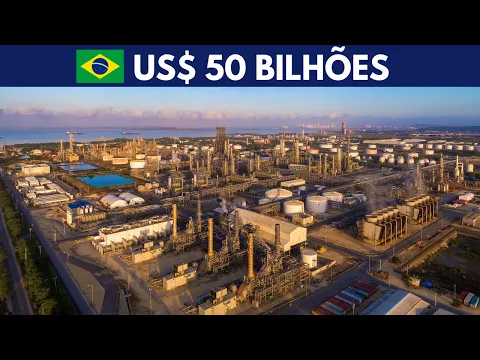
The announced investment exceeds R$ 2 billion and positions Suape as a potential supplier for the Asian market, especially Japan and South Korea, which are seeking alternative fuels for aviation and maritime transport.
Moreover, the port already has robust logistical infrastructure and a strategic location, factors that enhance its competitiveness in the global race.
The War of Billion-Dollar Investments
The impressive figure is the total: over US$ 30 billion in announced projects by 2030. Not all are in the final decision phase, but they reveal international appetite.
- Ceará: agreements with Europe and China; projects of up to 500 MW have already been announced.
- Bahia: a Camaçari hub expanding, with industrial production capacity for green ammonia.
- Pernambuco: a megaproject for e-methanol, already considered a reference in sector innovation.
The competition is so intense that governors from the Northeast are taking turns on international agendas, seeking to attract investors and sign memoranda that could guarantee billions in future revenues.
Jobs and Regional Development
Beyond geopolitics and technology, there is an immediate promise: jobs and local development. Preliminary studies indicate that green hydrogen hubs in the Northeast could generate 50,000 direct and indirect jobs by 2030, mainly in the construction and operation phases.
This means transforming the arid northeastern region, traditionally marked by drought and migration, into a hub of innovation and opportunities. From the Sertão to the World, the energy narrative gains social and economic contours.
The Risk of Raw Exports
Despite the enthusiasm, experts warn that Brazil may repeat the historical mistake of only exporting cheap raw materials. If green hydrogen leaves the Northeast only in the form of ammonia, without industrial linkage, the country could miss the chance to create a national industry of greater added value — like green steel, sustainable fertilizers, and synthetic fuels for aviation.
Both Europe and China have already expressed interest in purchasing, but both want to process derivatives outside of Brazil, leaving here only the environmental costs and part of the base jobs.
Northeast as a Showcase for the Energy Transition
Still, the fact is that the Northeast has already made it onto the map of major global green hydrogen hubs. Few regions in the world offer the same combination of sun, wind, strategic ports, and political stability.
With agreements established with Germany, the Netherlands, China, and Australia, the region has everything to become one of the largest global players in clean energy. The challenge now is to ensure technology transfer, robust industrial policy, and greater integration with the national productive sector.
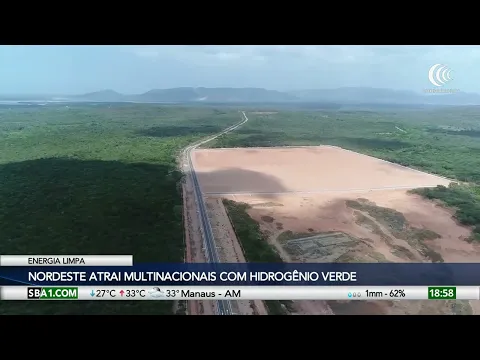
The Brazilian Northeast has a unique opportunity ahead: to stop being seen as a peripheral region and to assume the role of the energy heart of the 21st century. Ceará, Bahia, and Pernambuco are engaged in a healthy competition that could reshape not only the local economy but also Brazil’s position in the world.
The window is short. By 2030, the world will have defined the major suppliers of green hydrogen. If Brazil knows how to negotiate, it will be able to not only export clean energy but also create a new green industrial matrix, with jobs, innovation, and global prominence. Otherwise, it risks being remembered only as another cheap supplier of inputs in a chain dominated by others.





Inovação e desenvolvimento andam juntos e sem dependência de ideologia