






 Portuguese
  Spanish
  3 min of reading


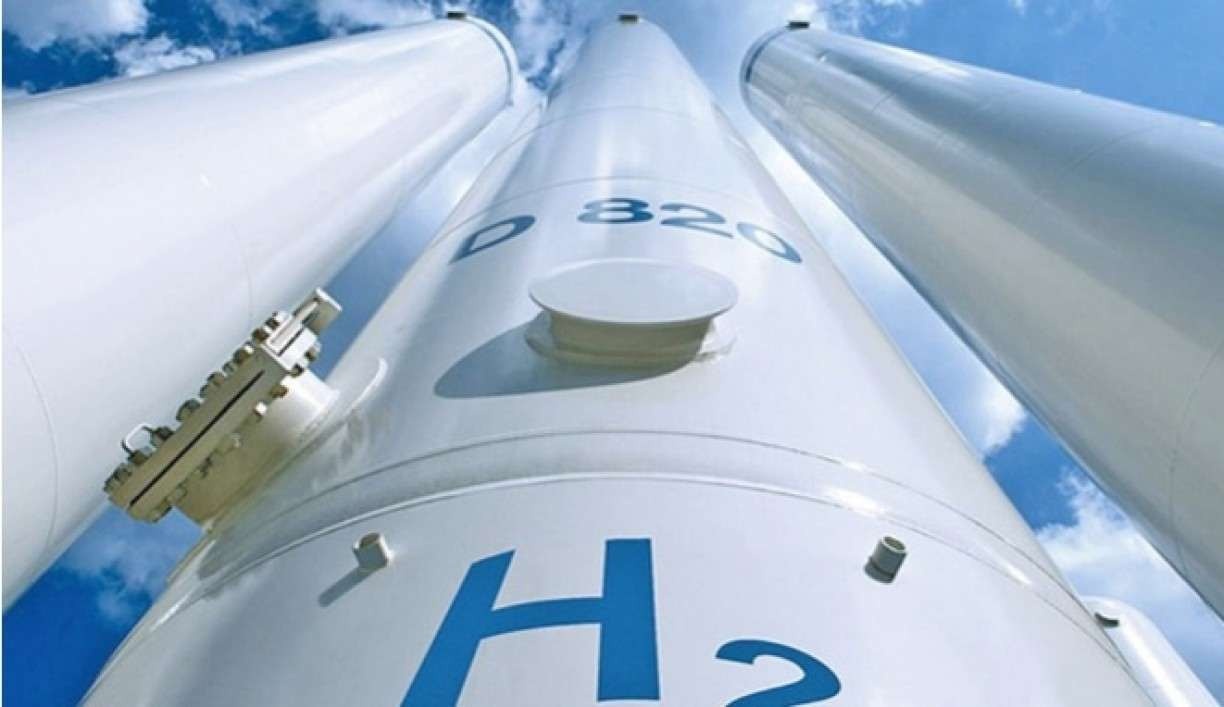
This Is Considered The Fuel Of The Future, As It Is A Technology That Uses Electric Current To Separate Hydrogen From Oxygen Existing In Water Capable Of Producing Energy.
At Least Three Major Green Hydrogen Projects Are In The Works In The Northeast Region That Will Propel Brazil To A Higher Level In The Production Of This Innovative Technology. This Week, The First H2V Molecule Of The Country Was Presented At The Pecém Thermoelectric Complex Located In São Gonçalo Do Amarante, In The Metropolitan Region Of Fortaleza (CE). In Camaçari (BA), A Unigel Factory Will Be Installed, Being The First Of The Three Phases Of The Project With Expected Inauguration Later This Year. Pernambuco Is Also In The Race For The “Green Gold” Through The Port Of Suape.
These Are Historic Facts For The Generation Of Clean Energy For Vehicles And As Input In Industries Such As Steelmaking And Oil Refining. For The Pecém Project (The First In Latin America), More Than R$ 42 Million Were Invested. This Is An Alliance Between EDP Brazil, Along With Strategic Partners, With The Support Of The Federal Government And Ceará. Authorities Such As The Minister Of Mines And Energy, Alexandre Silveira, The Governor Of Ceará, Elmano De Freitas, The CEO Of EDP Brazil, João Marques Da Cruz, And The Ambassador Of Portugal In Brazil, Luís Faro Ramos, Were Present During The Launch Event Of The First Green Hydrogen Molecule.
The EDP Green Hydrogen Plant Is A Research & Development Project Of The UTE Pecém. The Project Includes A Solar Plant With A Capacity Of 3 MW, In Addition To A State-Of-The-Art Electrolyzer Module For The Production Of The Renewable Fuel, Capable Of Producing 250 Nm3/h Of Gas.
-
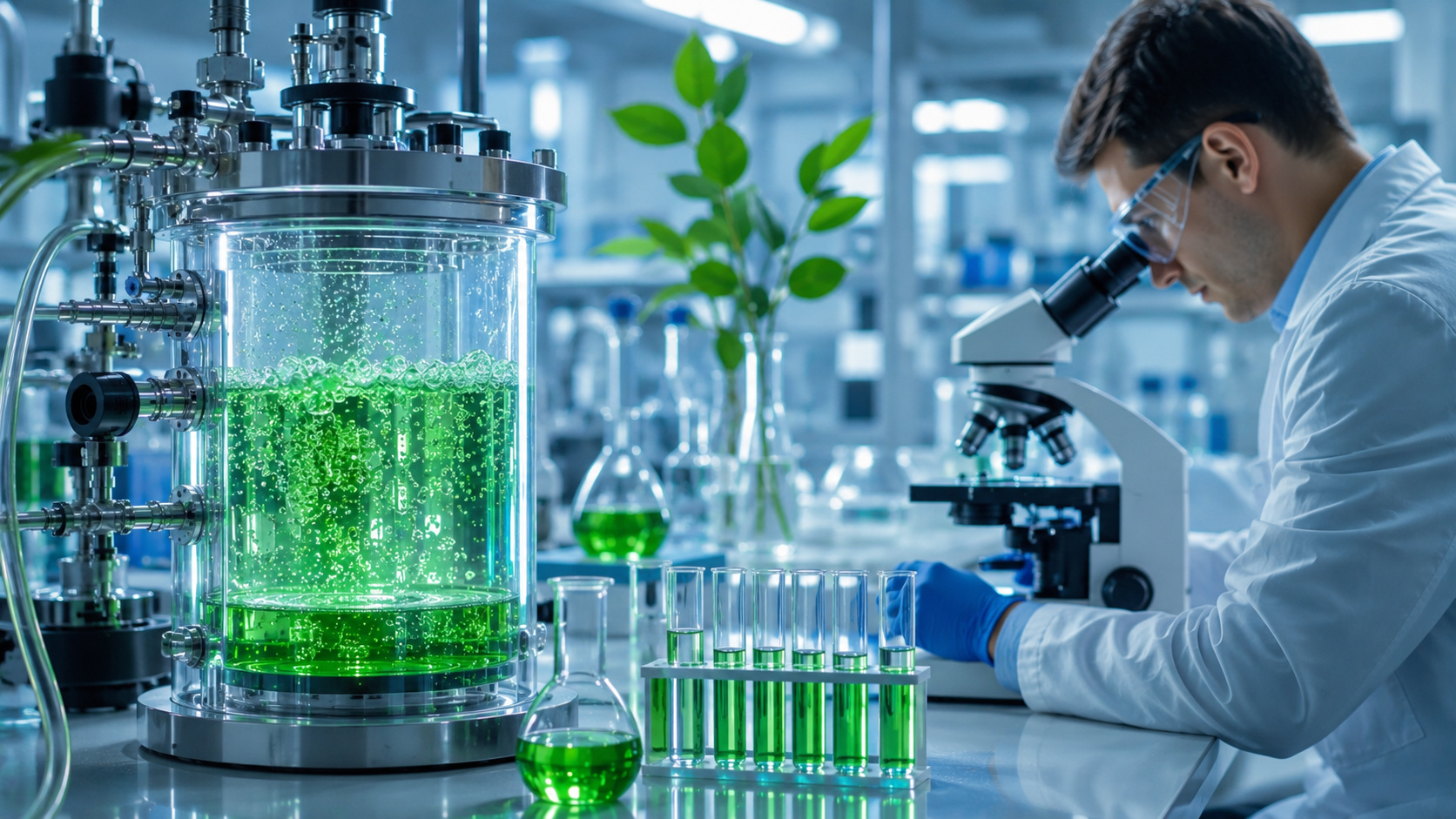
Brazilian scientists are simultaneously advancing two research projects on clean hydrogen and driving solutions that could transform the energy matrix, enhance industrial competitiveness, and accelerate large-scale emission reduction targets.

-
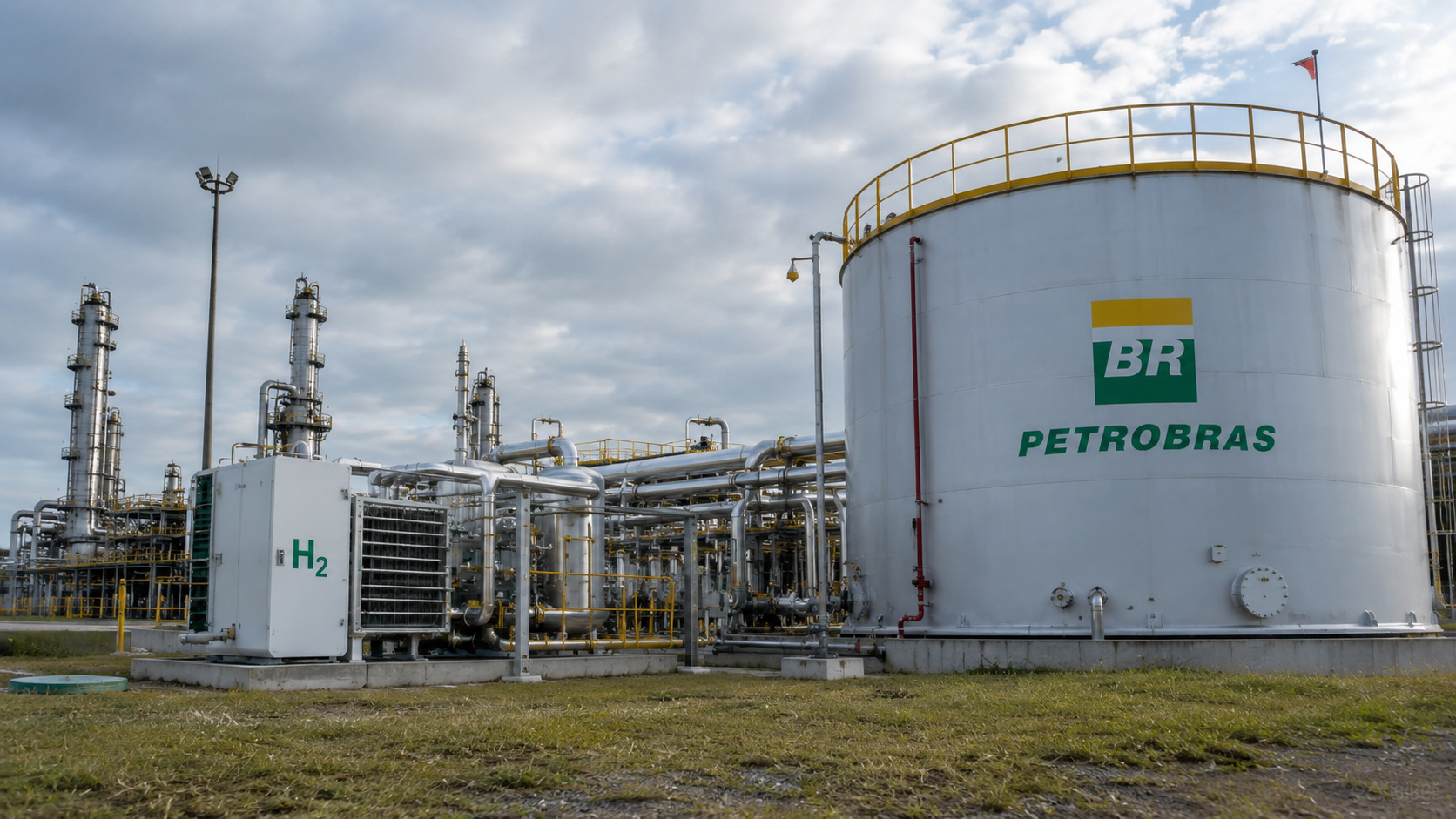
Advancement in renewable energy: A R$ 150 million project launched by Petrobras and Finep aims to create state-of-the-art electrolyzers for green hydrogen, strengthening national research and preparing Brazil to compete in a billion-dollar energy market.
-
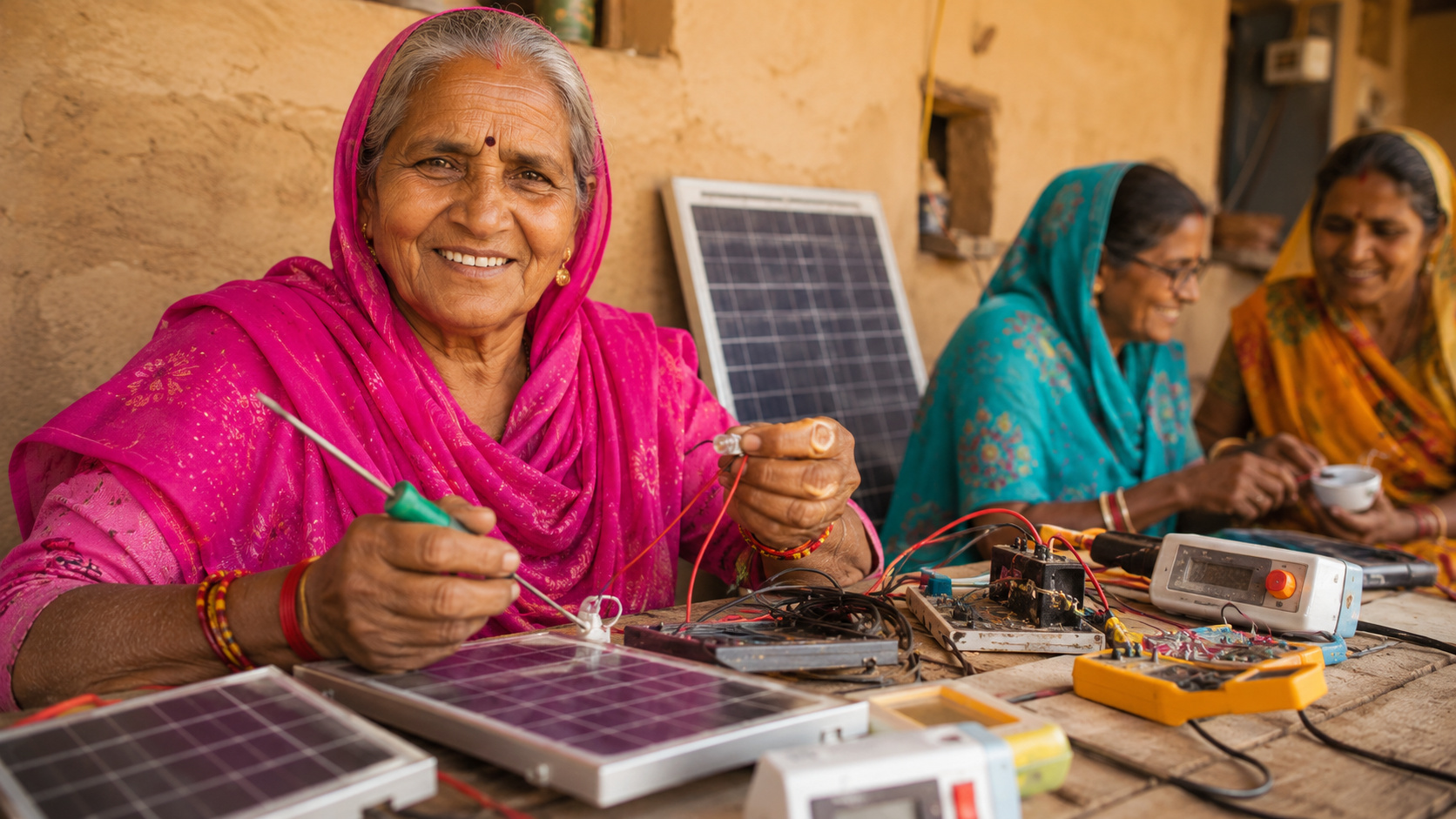
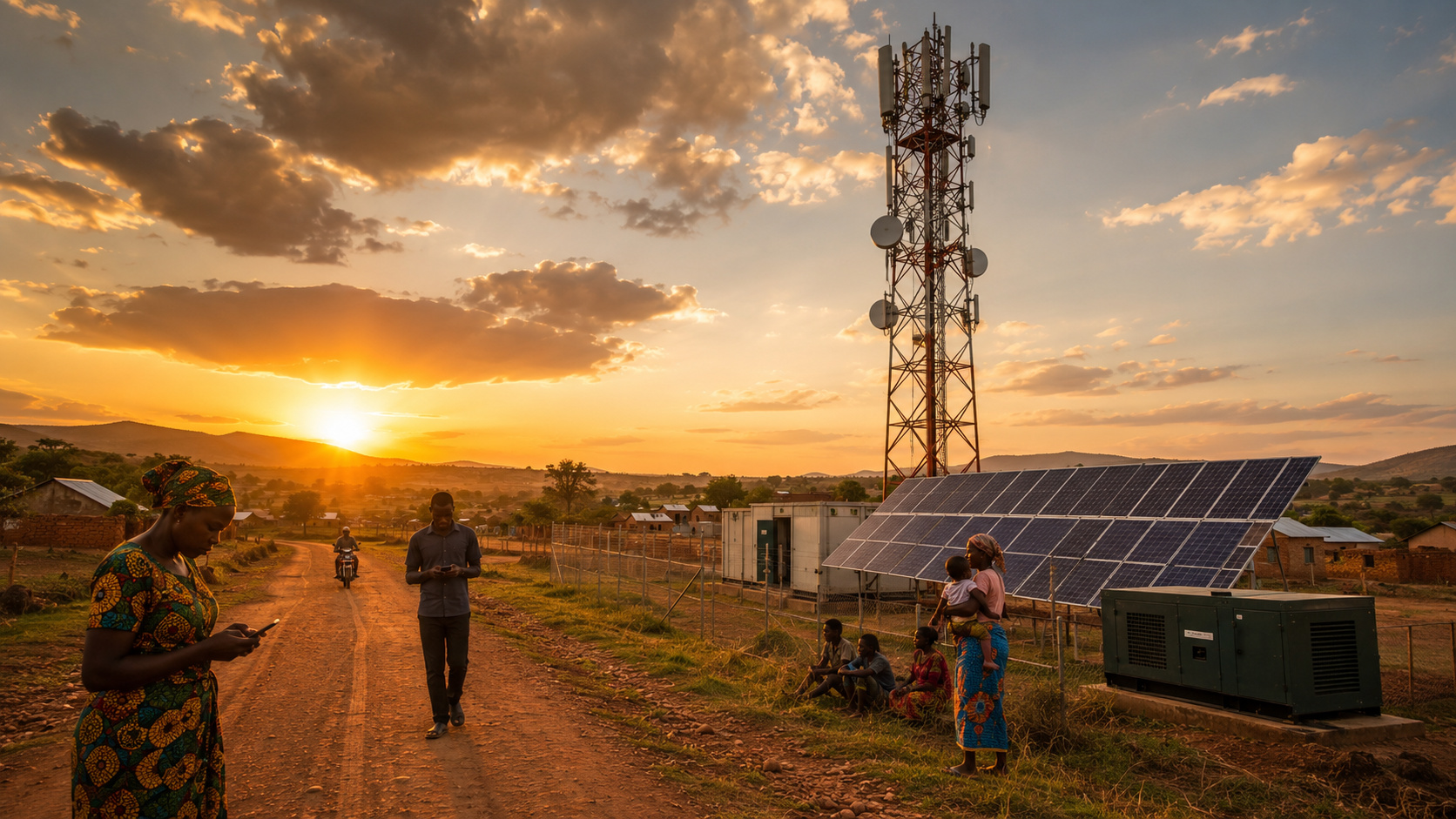
Illiterate or semi-literate grandmothers were trained to repair solar systems, open rural workshops, and light up homes that still depended on kerosene.
-
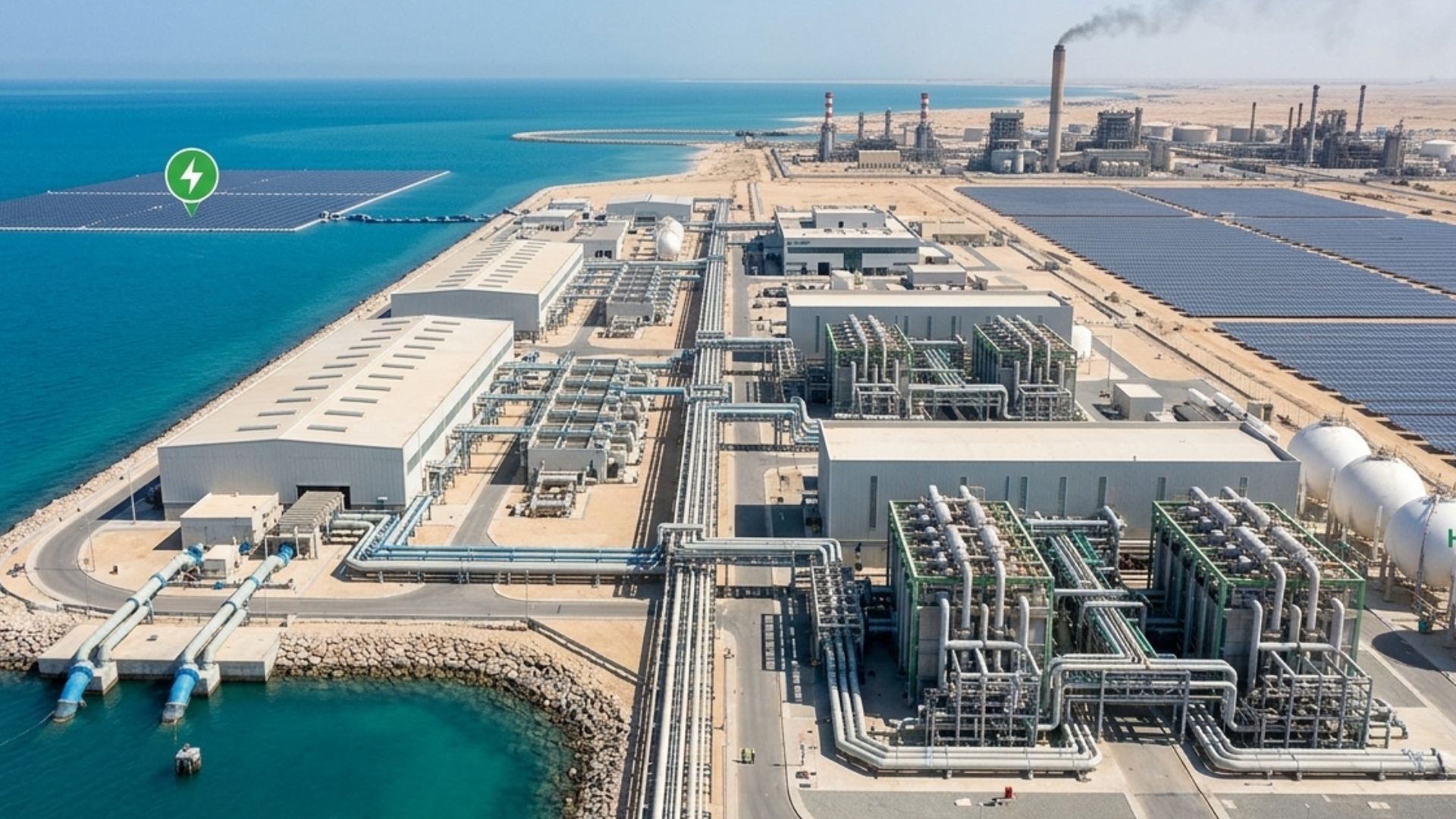
The world has bet on green hydrogen as the fuel of the future, but now faces the side effect: producing 1 kilogram requires about 9 liters of ultrapure water, and the largest projects on the planet are precisely in the driest regions of the Earth, where water is already scarce for people.

The Factory In Bahia Will Have A Production Capacity Of 10 Thousand Tons Per Year Of Green Hydrogen And 60 Thousand Tons Per Year Of Green Ammonia. About US$ 1.520 Billion Will Be Invested, With The Expectation Of Several New Jobs. The Projection Is That Green Ammonia Will Be Used As Fuel, Especially By Bulk Carriers And Container Ships.
In Pernambuco, The Port Of Suape Has Already Shown Interest In The Project Of The French Company Qair For The Installation Of A Green Hydrogen Production Plant, Blue With Carbon Capture, And Ammonia. A Delegation From The Company Visited The Pernambuco Port Complex Back In 2021. Two Desalination Plants Are Expected To Be Built For The Utilization Of Seawater With 1 GW Of Electrolysis Capacity, In 16 Modules Of 140 MW. The Project Is Expected To Start In 2025.
Why Is Green Hydrogen The Fuel Of The Future?
In The Universe, There Is No Other Chemical Element More Abundant Than Known. It Is Formed In Combination With Water, Along With Oxygen, And Can Also Combine With Carbon To Form Gas, Coal, And Oil. To Be Used As Fuel, It Needs To Be Separated From Other Molecules.
By Breaking Down Molecules That Contain H2 In Their Composition, It Is Possible To Obtain H2V. The Product Has Renewable Raw Materials Such As Ethanol, Biogas, And Vinasse – One Of The Waste Products From Sugar Cane Mills. But The Biggest Benefit Is The Possibility Of Obtaining It Through The Electrolysis Of Water.
Green Hydrogen Is Essential For Meeting The Agreements To Combat Climate Change. By The Year 2050, The Production Of Green Hydrogen Is Expected To Account For 18% Of Global Energy. The Projection Of The Global Sector Market Is That By 2030, The Annual Production Of H2V Will Be 90 GW Worldwide. Private Investment In The Production Of This Technology Is Expected To Increase Sixfold By 2025, And 16 Times By 2030, According To Projections By Experts.







Be the first to react!