






 Portuguese
  Spanish
  3 min of reading
  0 comments


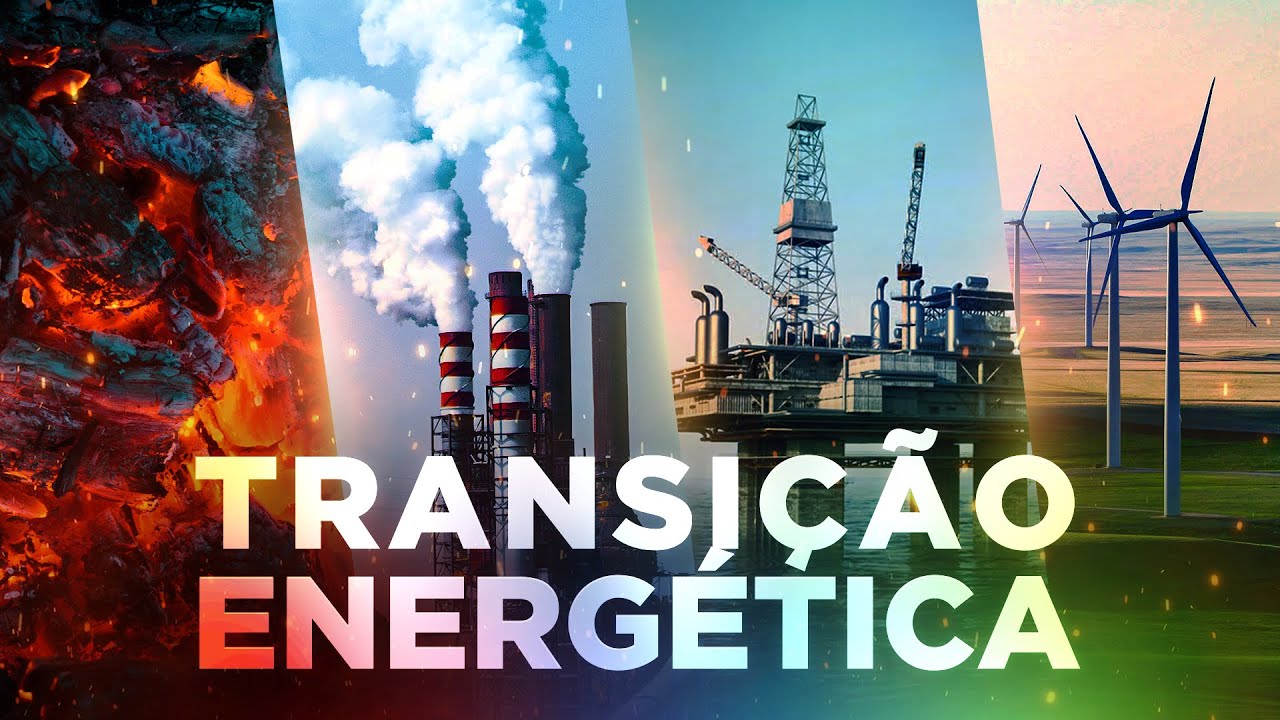
The Northeast Closed The Year of 2024 as The Region with The Highest Proportional Growth in The Approval of Projects Related to Energy Transition in The Country
This advance reflects not only the natural potential of the region for renewable energies but also the strengthening of public policies aimed at decarbonization and sustainability.
In addition, the performance of the Northeast has surpassed, proportionally, all other Brazilian regions.
Regional Growth and Strategic Investments
While the Northeast stood out, the Midwest also showed significant advancement, with R$ 2 billion in approvals, a volume 16 times greater than in 2022.
-
Brazilian scientists are simultaneously advancing two research projects on clean hydrogen and driving solutions that could transform the energy matrix, enhance industrial competitiveness, and accelerate large-scale emission reduction targets.

-
Advancement in renewable energy: A R$ 150 million project launched by Petrobras and Finep aims to create state-of-the-art electrolyzers for green hydrogen, strengthening national research and preparing Brazil to compete in a billion-dollar energy market.
-
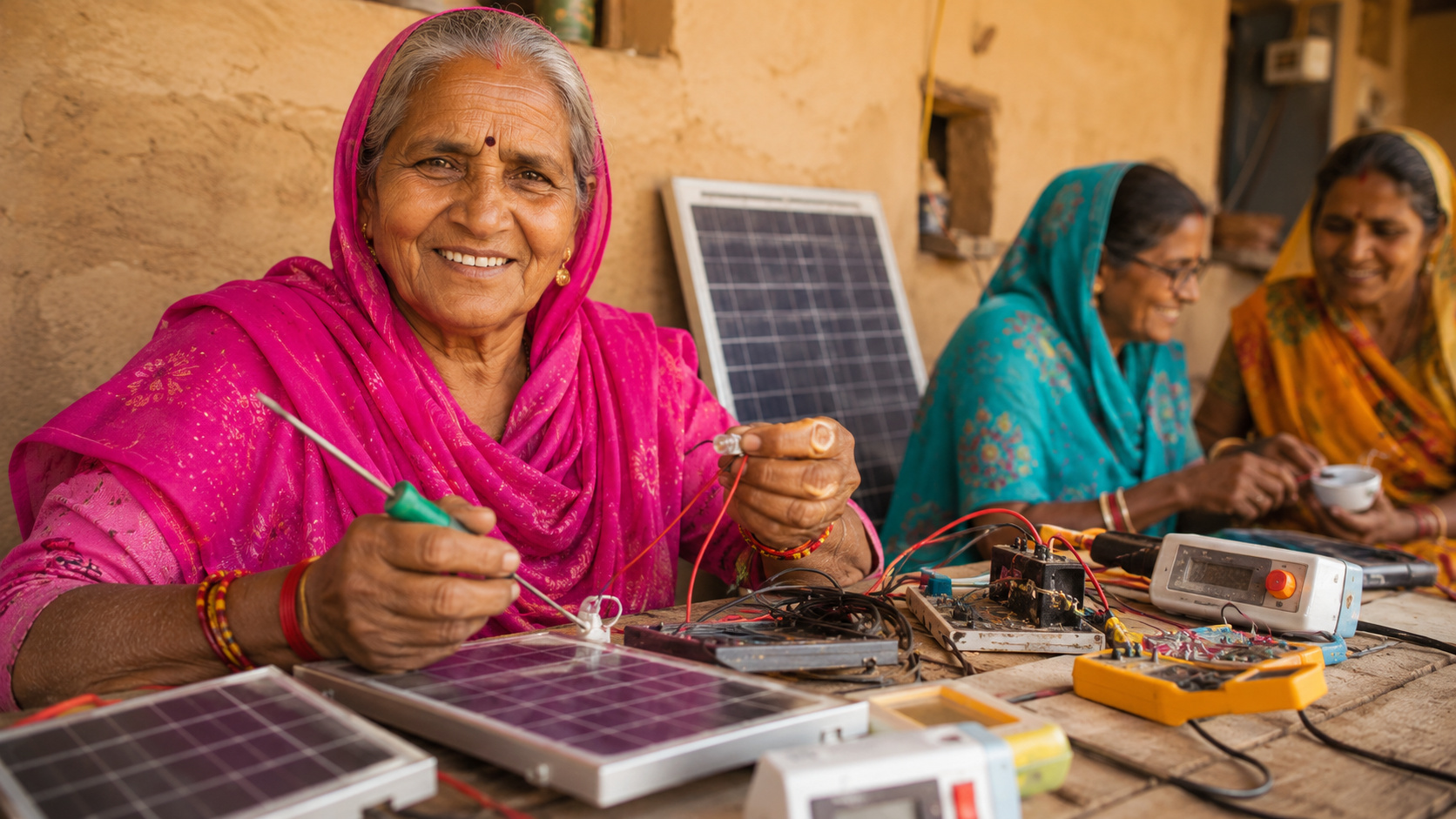
Illiterate or semi-literate grandmothers were trained to repair solar systems, open rural workshops, and light up homes that still depended on kerosene.
-
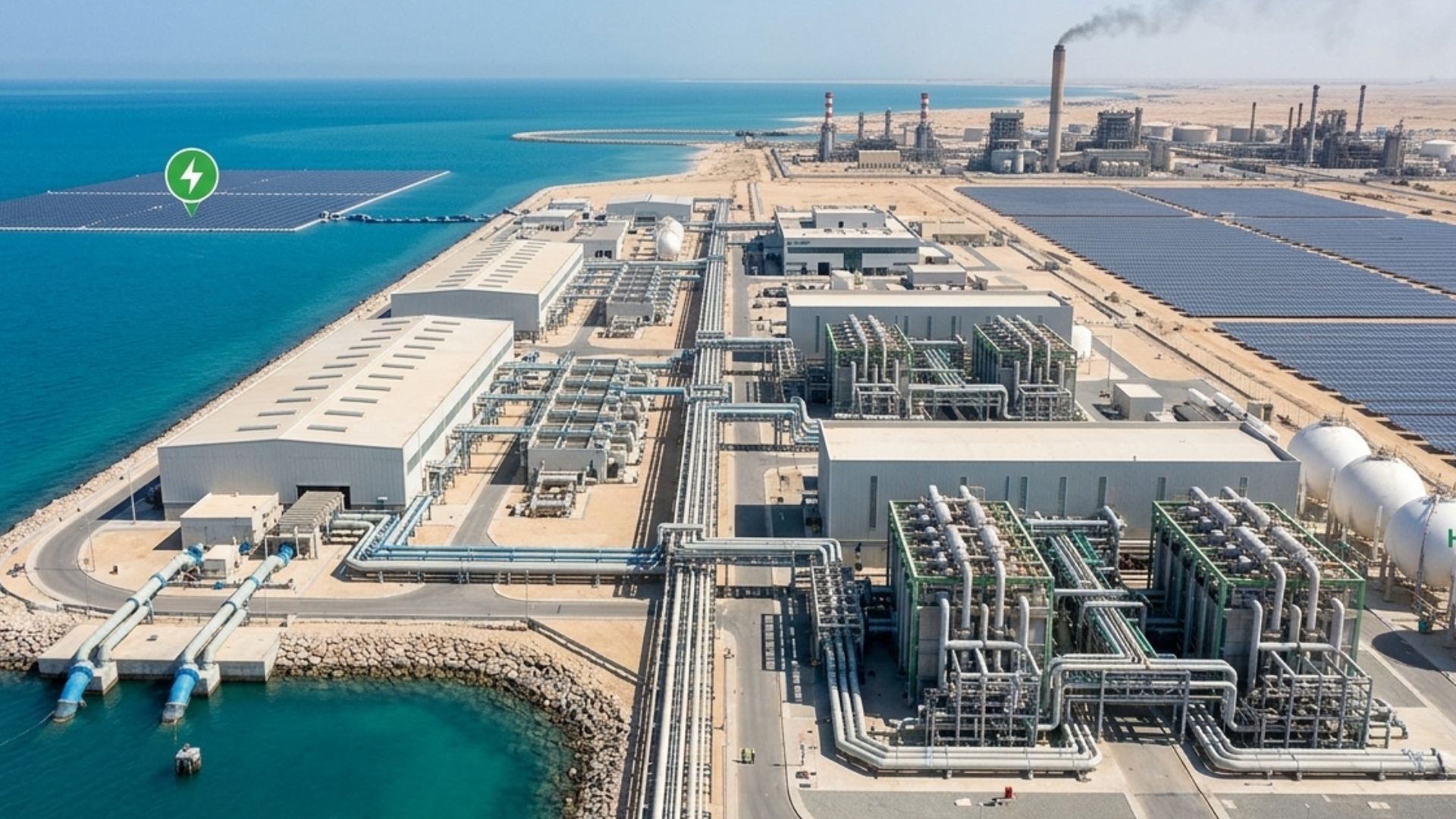
The world has bet on green hydrogen as the fuel of the future, but now faces the side effect: producing 1 kilogram requires about 9 liters of ultrapure water, and the largest projects on the planet are precisely in the driest regions of the Earth, where water is already scarce for people.



Meanwhile, the Southeast, although it recorded the highest absolute value (R$ 4.1 billion), grew at a rate of 7.7 times.
Furthermore, the North and the South approved, respectively, R$ 460 million and R$ 1.6 billion, with growth rates of 5.5 and 5.3 times compared to the same previous period.
Therefore, despite the uneven pace among the regions, the national trend points towards a collective mobilization towards the energy transition.
The Climate Fund, the main financing instrument for sustainable projects in Brazil, was responsible for boosting these investments.
Operated by BNDES in partnership with the Ministry of Environment and Climate Change (MMA), the fund closed 2024 with a record total of R$ 10.2 billion in approvals.
Clean Energy and Efficient Use of Resources in The Northeast
The projects in the Northeast mainly involve the expansion of solar and wind energy plants, adding about 450 megawatts (MW) to the National Interconnected System (SIN).
According to Aloizio Mercadante, president of BNDES, Brazil is already the largest financer of clean energy in the world, with over US$ 36 billion invested since 2004.
As pointed out by him, this volume reflects not only the country’s ability to lead decarbonization but also its commitment to a green and resilient economy.
The Role of The Climate Fund in The Energy Transition
Created in 2009, the Climate Fund has established itself as one of the main tools for mitigating and adapting to the effects of climate change in Brazil.
The fund uses both reimbursable resources, through BNDES, and non-reimbursable resources, via MMA.
This allows support for everything from large energy infrastructure projects to small research and environmental innovation projects.
Therefore, the structure of the fund presents itself as an efficient and replicable model for other nations.
National Impact and Projections for The Future
Although all regions showed growth in 2024, the advance of the Northeast highlights the strategic role of the region in the Brazilian energy matrix.
With high solar and wind potential, as well as favorable terrain for the installation of renewable parks, the Northeast solidifies itself as a protagonist in the transition to a low-carbon economy.
Based on the performance of 2024, experts indicate that Brazil is likely to exceed R$ 15 billion in approvals for clean energy in 2025, if the growth trend continues.
Thus, the combination of public policies, targeted credit, and focus on sustainability puts the country in a leadership position in combating the global climate crisis.







-

1 person reacted to this.