






 Portuguese
  Spanish



Largest Oil Producer in Europe, Norway Creates Commission to Study Exit from Hydrocarbons and Increases Incentives for Electric Cars.
Even occupying the position of the largest oil producer in Europe, Norway has started to structure a formal debate on the reduction of its dependence on hydrocarbons.
The movement occurs at a symbolic moment for the Scandinavian country, whose economic prosperity is directly linked to the exploration of oil and natural gas in recent decades.
The initiative took shape after a political agreement was reached between the labor government, which is a minority in Parliament, and the Norwegian Green Party (MDG), during the negotiations for the 2026 budget.
-
Petrobras Begins Drilling Controversial Oil Well in Brazil’s Equatorial Margin Near the Amazon River Mouth

-
Petrobras Sets Record with 2.66 Million Barrels Per Day in Brazil’s Pre-Salt Oil Production
-
Petrobras to Double Natural Gas Supply in Northeastern Brazil with New Investment
-
Petrobras Approves $1.2 Billion Refinery in Brazil to Produce Aviation Fuel and Diesel from Plants
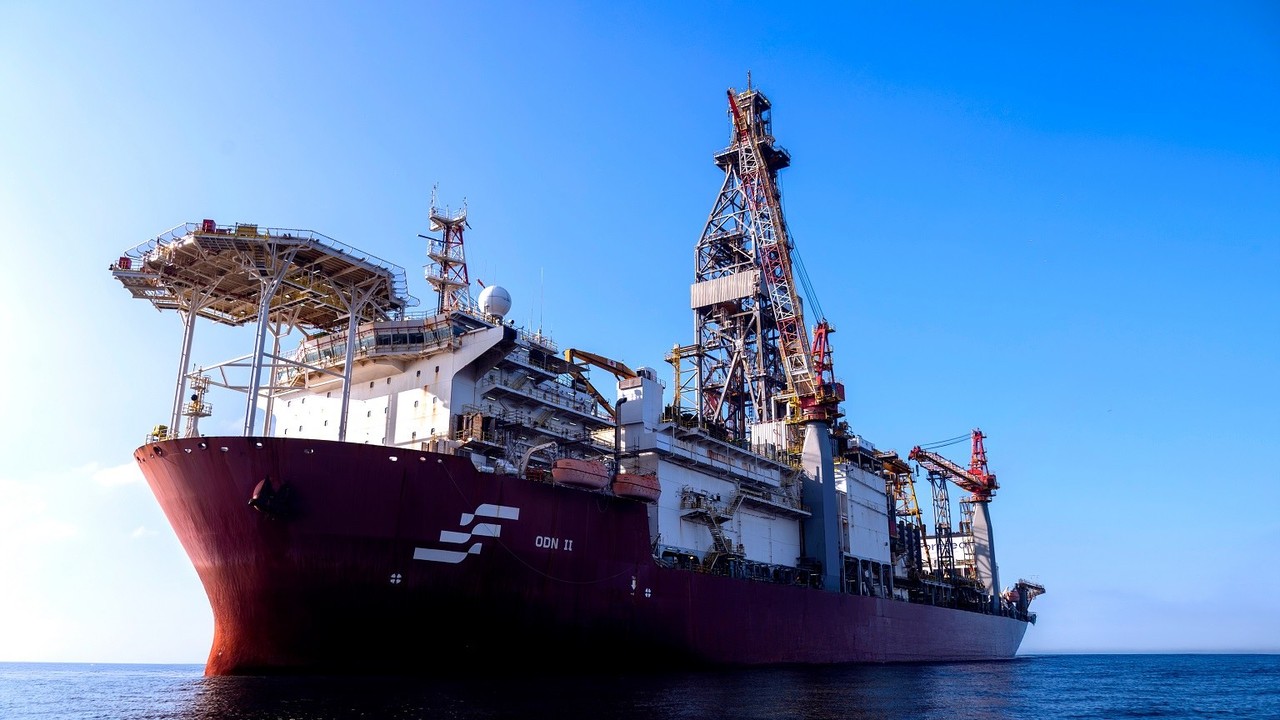


Commission Will Study Scenarios for Post-Oil in Norway
As part of the political commitment made on the night of Tuesday to Wednesday (3), the creation of an official commission was defined. The group will have the mission of analyzing paths for the Norwegian economy in a scenario of declining oil and gas production.
According to the mandate presented by the government, the commission should “examine different scenarios and measures aimed at improving the adaptability of the Norwegian economy, including how labor and natural resources can be used more efficiently, as the Norwegian continental shelf enters a new phase marked by declining oil and gas production.”
The proposal represents an unprecedented step in a country that has built much of its sovereign fund and social policies with revenues from the oil industry.
Ecologists Speak of the “Last Chapter” of the Oil Era
The agreement was celebrated by the MDG, which has been pressuring the government for clearer measures for economic transition. In an official statement, Ingrid Liland, the party’s representative for financial issues, used a symbolic tone when commenting on the progress.
“We are now beginning to write the last chapter of Norway’s oil story and, in doing so, we are paving the way for all the new adventures that will propel the country forward,” she stated.
In the program presented before the legislative elections set for September 8, the ecologists advocate that Norway establish a plan to exit hydrocarbons by 2040, a deadline considered ambitious given the weight of oil in the national economy.
Europe Accelerates Transition While Brazil Follows a Different Path
The Norwegian debate occurs in parallel with strategic movements in other regions. The European Union, for example, has been accelerating billion-dollar investments to reduce its dependence on China for rare earths, which are considered essential for energy transition and the industrial autonomy of the bloc.
Meanwhile, Brazil is heading in the opposite direction. President Luiz Inácio Lula da Silva advocates for increasing oil exploration at the mouth of the Amazon River. The central argument is to secure resources for social policies and to finance the green transition itself.
The contrast exposes distinct views of energy sovereignty. On one side, Brussels bets on mineral diversification and reducing geopolitical vulnerabilities. On the other, Brasília insists on expanding the fossil frontier as a development strategy, even under environmental criticism and international pressure.
In addition to the commission on the future of oil, the MDG achieved another relevant victory in the budget negotiations. The government agreed to delay the removal of tax incentives for the purchase of electric vehicles.
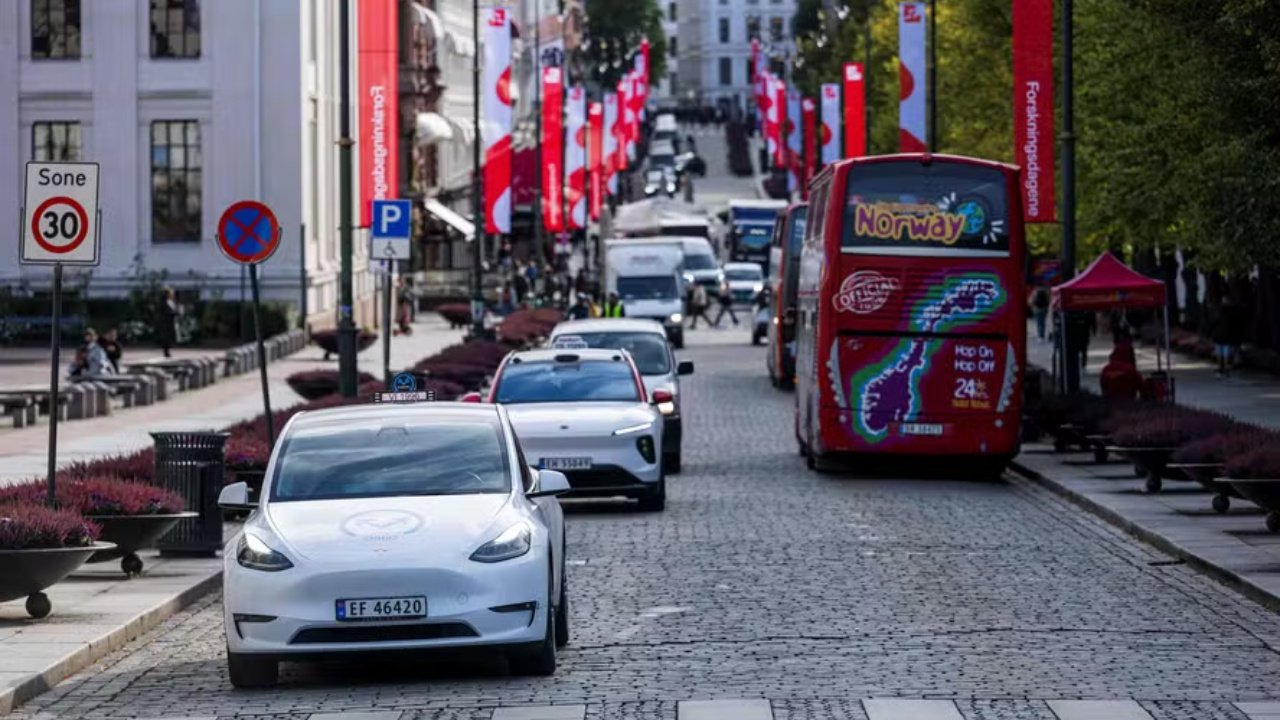
Currently, in Norway, new electric cars are exempt from VAT, a tax equivalent to ICMS, with a rate of 25%, up to a value of 500,000 Norwegian kroner, approximately R$ 263,000.
In the initial budget proposal, the Labor Party intended to reduce this ceiling to 300,000 kroner starting next year and eliminate the exemption altogether in 2027. However, the new agreement establishes a more gradual timeline.
Tax Exemption Will Be Phased Out Gradually
Under the defined terms, the total elimination of the incentive has been postponed to 2028. Before that, there will be an intermediate phase in 2027, when the exemption will apply only to vehicles costing up to 150,000 kroner, provided that European authorities approve the measure.
For industry representatives, the decision is strategic. “It is very important for the development of the electric car that VAT is introduced more gradually than the government originally planned,” commented Christina Bu, Secretary General of the Norwegian Electric Vehicle Association.
Currently, Norway has the highest penetration rate of electric cars in the world. They represent almost 100% of new vehicles registered in the country, reinforcing the contrast between the strength of oil in production and the rapid advancement of alternatives in consumption.


