






 Portuguese
  Spanish





The New Quota Law Increases Reservation to 30% in Public Competitions and Includes Indigenous Peoples and Quilombolas — A Historic Change in Diversity Policy.
It was sanctioned on June 3, 2025 the new Quota Law, which reserves 30% of vacancies in federal public competitions for Black, Brown, Indigenous, and Quilombola individuals.
The measure, approved by Lula, represents a significant update to the old law, by increasing the percentage and including historically marginalized groups.
The proposal became law after intense dialogue between ministries and civil society, accompanied by regulations to ensure clear self-declaration criteria.
-
Are Companies Required to Release Employees During Brazil’s World Cup Matches? Understanding Workers’ Rights

-
Brazilian Family’s Homeschooling Success Sparks International Debate: Daughters Read 30 Books Annually and Speak Multiple Languages

-
Piauí Governor Enacts Law Requiring State Contractors to Reserve Jobs for Former Inmates with Minimum Wage and Verification Before Payment
-
Providing Your Tax ID at Supermarkets: A Routine Step That Can Unlock Discounts and Rewards but Also Reveals Your Shopping Habits


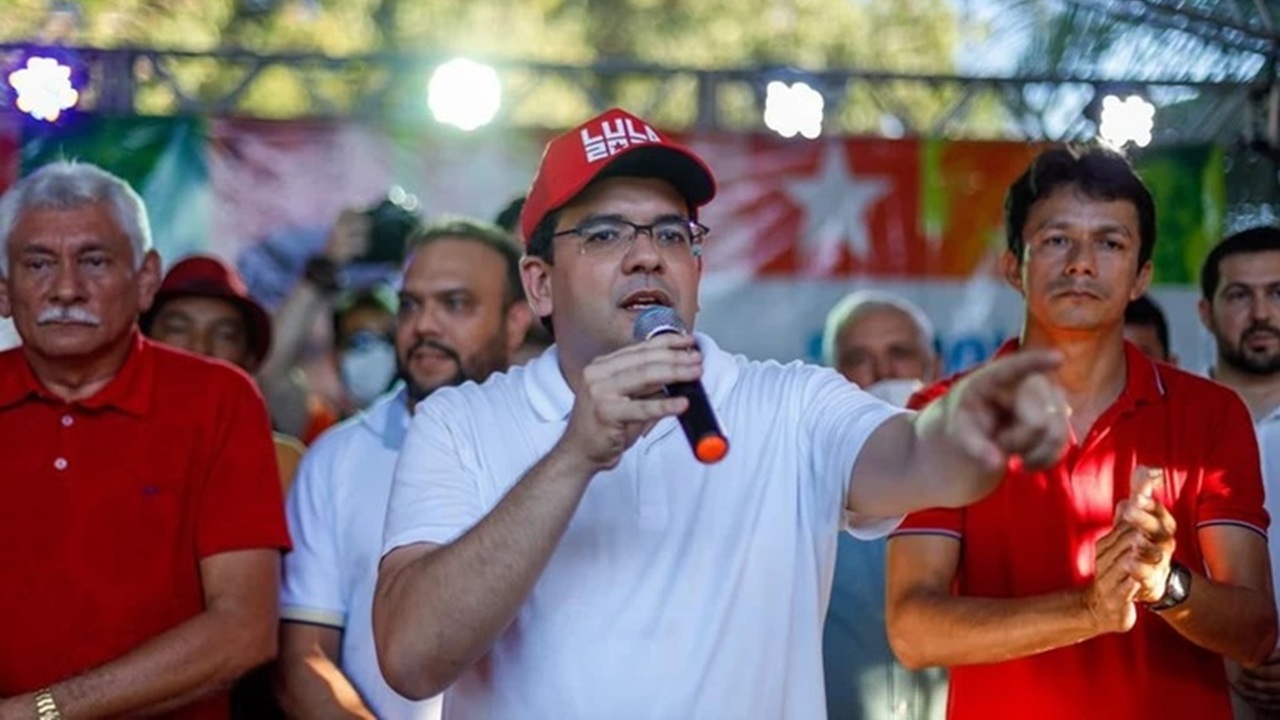

The change aims to make public service more representative of Brazil’s ethnic-racial diversity.
Why the New Quota Law is a Milestone
The new Quota Law represents an important advance in promoting racial equality in the State.
According to the government, the reservation of 20% going to 30% of vacancies for Black, Brown, Indigenous, and Quilombola individuals contributes to correcting existing structural inequalities in public service.
Furthermore, the inclusion of Indigenous peoples and Quilombolas broadens the reach of affirmative policy, which was previously predominantly restricted to Black individuals.
For involved leaders, the measure helps build a public service with “the face of Brazil,” in which the composition of civil servants reflects the plurality of the population.
How the New Quota Law Was Created
The Law 15.142/25, which establishes the new Quota Law, replaced the old Law 12.990/2014.
The proposal underwent over two years of discussion, with participation from ministries such as the Ministry of Racial Equality, Indigenous Peoples, and Public Management.
At the presidential sanction, government representatives highlighted that the revision was necessary to increase racial representativeness in public competitions.
Criteria and Percentage of Reservation
According to the law, 30% of the vacancies in federal public competitions will be reserved, distributed as follows: 25% for Black individuals (Black or Brown), 3% for Indigenous individuals, and 2% for Quilombolas.
The regulation was detailed by Decree No. 12.536/2025, which defines how the verification of self-declaration will be conducted and what the criteria are for each group.
Verification and Inclusion Mechanisms
To ensure transparency, the decree establishes the formation of specific committees to evaluate self-declarations.
For Black individuals, phenotype (visible physical traits) will be assessed.
Indigenous individuals and Quilombolas will undergo documentary analysis according to their identity and community.
Another new feature is that quota candidates may compete both for the reserved vacancies and simultaneously in the general competition, if they meet the minimum required score.
Limitations and Challenges Identified
Despite the progress, the new Quota Law faces criticism. Some experts warn of possible difficulties in correctly verifying self-declarations, which could lead to conflicts or fraud.
Furthermore, there is concern regarding the effective distribution of these vacancies in public services, as well as whether future competitions will fully adopt the criteria established by the law.
Consequences for Future Competitions
With the approval of the new Quota Law, it is believed that upcoming federal public competitions — especially large-scale ones — will already adopt the reservation of 30% of vacancies.
The Minister of Public Management stated that the law was designed to influence competitions planned in the coming months.
In addition, a committee is expected to be established to monitor the implementation of the law and suggest adjustments, which can favor course corrections and improvements in selection criteria.
Social and Symbolic Impact of the New Quota Law
For many, the update of the Quota Law is an important symbolic achievement: it is an official recognition of Brazil’s ethnic-racial diversity and a concrete step towards reducing historical inequalities.
The measure may boost the presence of Black, Indigenous, and Quilombola individuals in crucial public positions, promoting greater representativeness.
Experts state that affirmative policy plays a crucial role not only in equal opportunities but also in the cultural transformation of the State.
Indeed, the new law signals that public administration should reflect the multiplicity of the Brazilian population.
The new Quota Law in public competitions marks a historic turning point in racial inclusion in the public sector.
With 30% of the vacancies reserved for Black, Brown, Indigenous, and Quilombola individuals, and clear rules for verifying self-declaration, the initiative seeks to correct inequalities accumulated over centuries.
However, for social objectives to materialize, rigorous monitoring, education, and institutional commitment will be necessary — ensuring that the quota policy is not merely symbolic, but effective and transformative.







vergonha para o pais, os governantes acham que negros e indigenas sao retardados. ate quando voces vao aceitar isso ?