






 Portuguese
  Spanish


With solar panels in more than a third of the houses, Australia installs home batteries at a daily pace, expands the use of solar energy, and changes the relationship of families with the power grid. Roofs begin to store electricity to reduce dependence on gas and alleviate costly national nighttime peaks.
The solar panels installed in one out of three houses have placed Australia at the center of a new residential energy race. According to a report published by The Guardian on May 31, 2026, the country is accelerating home batteries to store solar energy and reduce pressure on the power grid.
The change involves families, energy companies, the Australian government, and electrical sector specialists. Since July, about 415,000 residential batteries have been connected in the country, at a rate of over 1,000 units per day, as consumers try to use solar electricity at night and escape the most expensive times of the grid.
Australia has become a global laboratory for residential energy
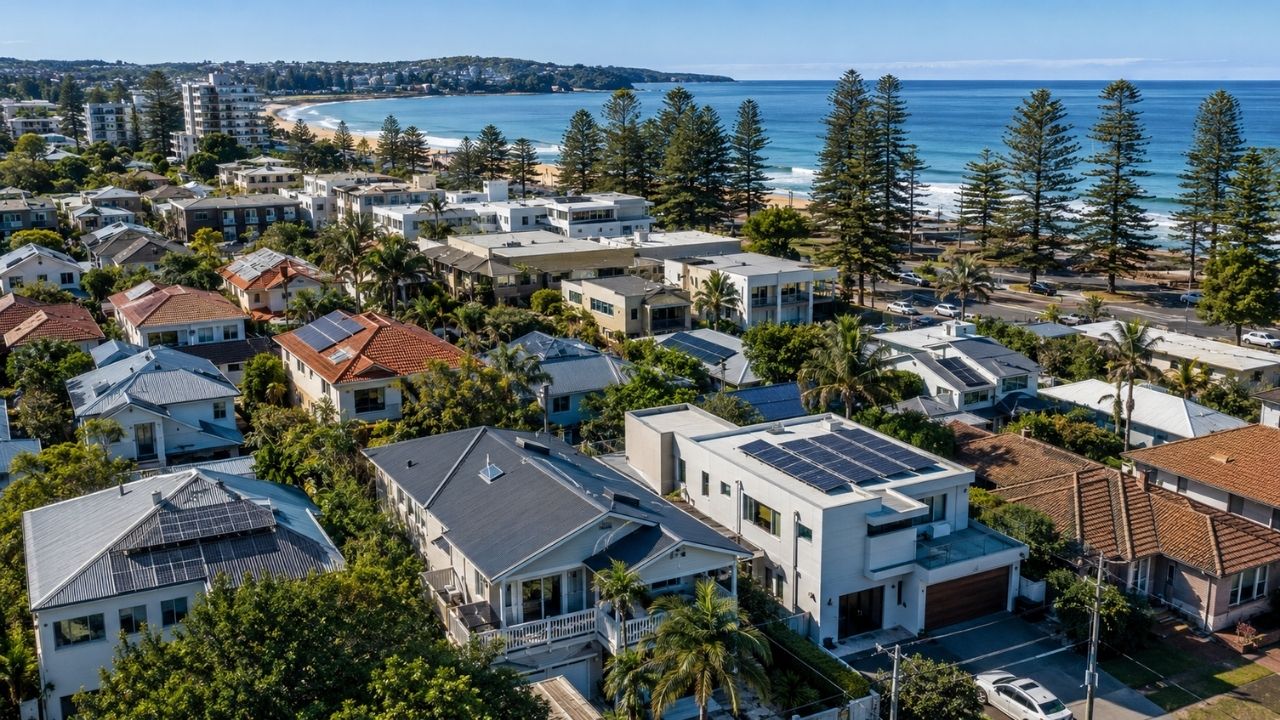
Australia was already known for the strong presence of solar panels on residential rooftops. More than a third of the houses have solar systems, a result of public policies, simple licensing, price drops, and broad popular acceptance.
-
Australia deploys poisoned sausages and uses traps, shooting, and fences in a battle against invasive cats that kill over 1.5 billion native animals annually, threatening more than 200 species.

-
NASA Rover Captures “Tired Face” on Mars, Highlighting Human Brain’s Tendency to See Faces in Rock Formations

-
Ancient Stone City in the Desert, Once Home to 30,000, Puzzles Scientists with Nabateans’ Water Mastery 2,000 Years Ago

-
Ancient Creature Thought Extinct Since Dinosaur Era Reappears, Baffling Scientists




Now, the shift is happening with home batteries. The roof is no longer just a generator during the day and starts to power the house at night as well. This change alters the traditional logic of the electricity bill and reduces dependence on plants activated during peak hours.
More than 1,000 batteries are installed per day
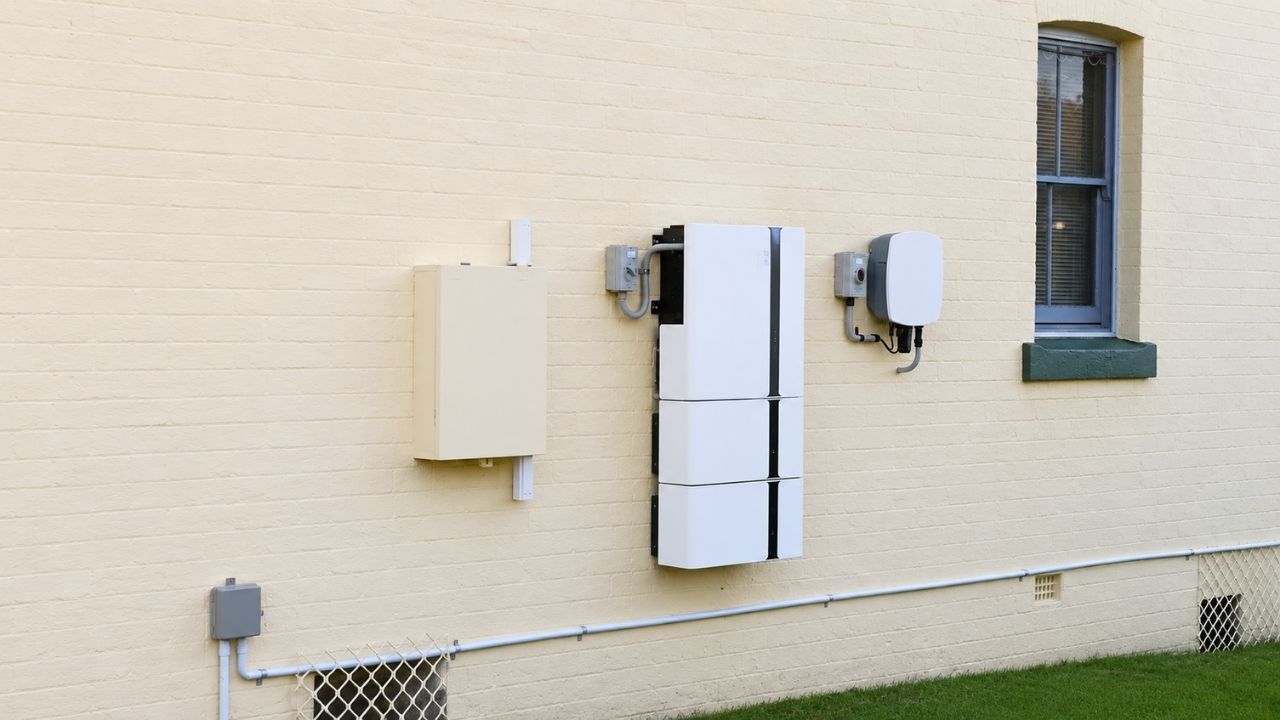
The speed of the expansion is noteworthy. According to analysis cited by the Guardian, almost 60% of the residential battery capacity installed in nearly 200 countries, excluding China, in this fiscal year will be in Australia.
Since July, about 415,000 units have been connected. This equates to approximately one battery for every 25 Australian households. The pace of over 1,000 daily installations shows that the technology has moved from niche to being part of the country’s everyday energy landscape.
Solar panels gain a new function with storage
For years, solar panels helped families generate electricity during the day, but part of the challenge was nighttime use. When the sun set, many homes returned to relying on the grid, precisely when demand rose and electricity prices were under pressure.
With batteries, the energy generated on the roof can be stored for later use. This changes the domestic dynamic: the family produces during the day, saves part of the electricity, and uses it at night, reducing exposure to the system’s expensive peaks.
Gas loses ground at the most expensive time
Previously, the high demand in the early evening was usually met by gas plants, one of the most expensive forms of generation in the Australian grid. This role is beginning to be filled by batteries, which enter the market precisely when energy tends to be more valued.
According to experts interviewed by the Guardian, this is already changing how electricity prices are set. Gas can still function as a backup, but it is no longer the only answer to the nighttime peak. The residential battery is starting to compete in an area once dominated by thermal power plants.
Public subsidy accelerated the domestic race
The expansion of batteries did not happen on its own. The Labor government of Anthony Albanese launched a subsidy to reduce the initial cost for families by 30%, with a billion-dollar public investment over four years.
The initial expectation was to support 1 million batteries by 2030, but the uptake exceeded forecasts. Later, the government announced adjustments to the incentive for larger batteries and expanded the total funding, maintaining the program until the end of the decade and raising the overall target to 2 million units.
Electricity bill becomes an argument for families
The practical promise for the consumer is simple: use more self-generated energy and rely less on the grid during expensive hours. In a country with a strong presence of solar panels, the battery turns potential savings into something more manageable throughout the day.
The Guardian cited the case of Emma Hewitt, a single mother living south of Perth who installed a 16 kWh battery after already investing in home electrification. According to the report, the unit helped reduce grid dependency and save hundreds of dollars on the quarterly bill.
Not everyone can access the technology
Despite the progress, the model has limits. Families living in rental properties, for example, may be left out of the solar panel and battery revolution, as they do not control the house’s roof or do not have permission to install equipment.
Researchers also warn of the risk of the policy benefiting certain regions and income groups more. The energy transition can reduce costs for everyone, but direct access to batteries still depends on housing, income, and location.
Government tries to expand the benefit with free energy
To address part of this inequality, the Australian government announced a “solar energy sharing” program. The proposal requires distributors to offer three hours of free electricity daily to all customers, including tenants.
The measure seeks to take advantage of the surplus solar energy produced during the day. Even so, there is concern that electricity companies may offset the free hours by increasing other tariffs. Therefore, the final impact on the electricity bill will depend on how the program is implemented.
Large batteries also change the grid
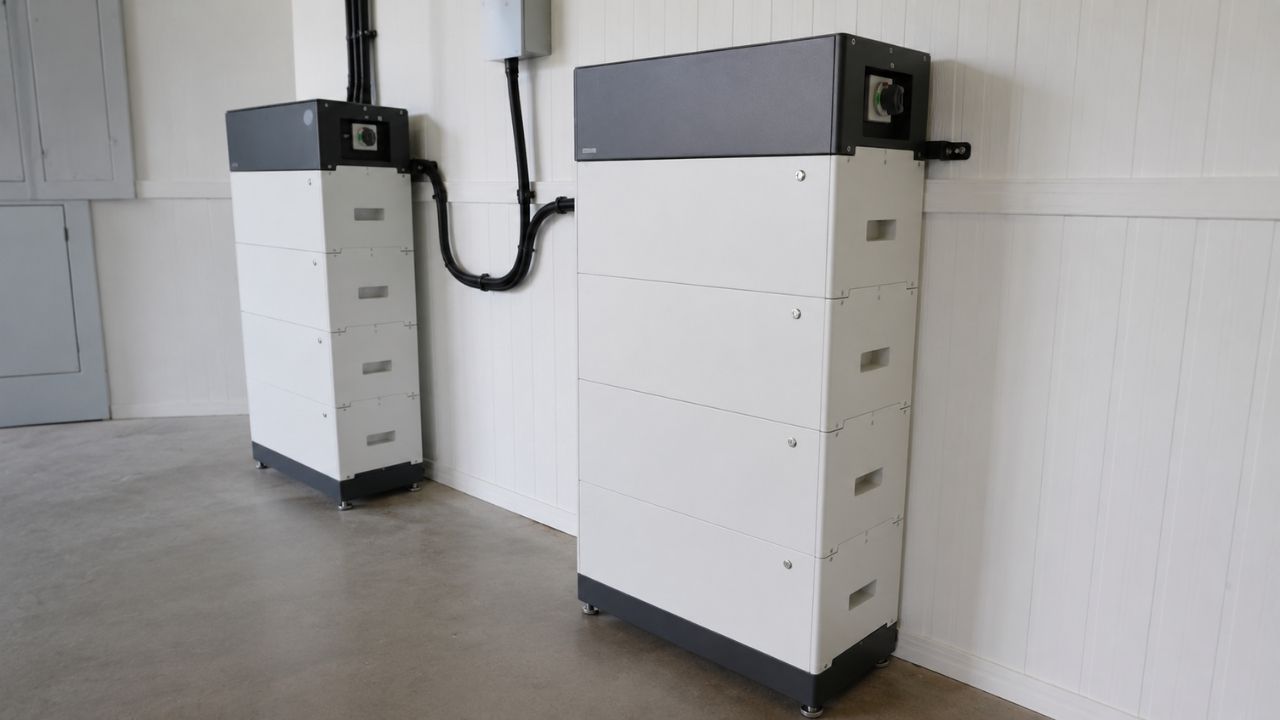
The transformation is not only happening inside homes. Industrial-scale batteries are also advancing rapidly in Australia, which ranked just behind China and the United States in new installed capacity after connections more than doubled in the previous year.
A symbolic example is the site of the former Liddell coal power plant. The unit’s chimneys were demolished, while the company AGL commissioned a 500-megawatt battery system with two-hour autonomy to help replace the old energy source.
Australian contradiction continues with coal and gas
Even with solar panels on millions of rooftops and the rapid advancement of batteries, Australia still faces a heavy contradiction. The country remains among the world’s major exporters of coal and gas, maintaining a strong economic link with fossil fuels.
The government has also approved new polluting projects in recent years, according to the Guardian. This shows that the domestic revolution does not automatically erase the country’s climate challenges. The transition advances inside homes but still competes with industrial decisions and high-impact exports.
Renewable goal still faces obstacles
Australia aims to have 82% of its electricity come from renewable sources by 2030. However, this goal is still uncertain, mainly due to difficulties in large solar and wind farms, transmission delays, and investment market uncertainties.
Even so, experts assess that residential advancement creates a new way to operate the electrical system. Families are no longer just consumers but also act as small producers, storers, and participants in the energy market.
But the experience also raises an important question: can this model become a reference for other countries, or does it only work where there is plenty of sun, public subsidy, and high residential adhesion? Would you have a home battery to store solar energy at home? Leave your opinion in the comments.







For 43 years, I struggled with bad credit due to my own poor decisions, and my credit score was around 490. When my girlfriend and I decided to buy a house, a mortgage broker informed us that it would be impossible to secure a mortgage with my credit score. As a result, she referred me to a company called HACK MAVENS CREDIT SPECIALIST, assuring me of their professionalism and ability to assist with credit improvement. Upon contacting them, I was impressed by their professionalism and they assured me that they could help. In less than 6 days, my credit score skyrocketed to 785, and they also successfully resolved issues in my credit report, including the bankruptcy. I am incredibly satisfied with their service and would highly recommend HACK MAVENS CREDIT SPECIALIST for reliable credit repairs. You can reach them at H A C K M A V E N S 5 [AT] G M A I L [DOT] COM or at [+] [1] [2 0 9] [4 1 7] – [1 9 5 7]. Thanks to their help, my girlfriend and I are now proud homeowners.
When your Bitcoin unexpectedly vanishes into the digital ether, it can be a disheartening experience. Fortunately, the Brunoe Quick Hack is designed to be your reliable partner in recovering your lost cryptocurrency. Created by blockchain security experts through years of dedicated research and innovation, this powerful tool uses advanced cryptography and machine learning to search the blockchain for your missing funds meticulously. Its user-friendly interface and fast processing make it accessible to everyone, including those new to cryptocurrency. Whether you’ve accidentally sent your Bitcoin to the wrong wallet, been the victim of a hack, or can’t find your private keys, the Brunoe Quick Hack is ready to assist you in regaining your financial stability. Stay hopeful; this exceptional tool will help you reclaim what you’ve lost. For more information, call: Whtas-App: + 1705/ 7842 /635
Gmail: BrunoequickhackATgmail.com
CHILDREN OF THE LIGHT BENEFITS OF JOINING ILLUMINATI CLUB CHURCH TEMPLE, FAMILY | SOCIETY BROTHERHOOD 1. A Cash Reward of $2,000,000 2. A New Sleek Dream CAR valued at $300,000 A Dream House bought in the country of your own choice 4. One Month holiday (fully paid) to your dream tourist destination. 5. One year Golf Membership package 6. A V.I.P treatment in all Airports in the World 7. A total Lifestyle change 8. Access to Bohemian Grove 9. Monthly payment of $27,000 into your bank account every month as a member Contact WhatsApp +447348438436 and grant your heart desires🔺🔺🔺