






 Portuguese
  Spanish
  3 min of reading
  2 comments


Aneel Proposes That Electricity Bills Vary According to Consumption Time. The New Rate Is Expected to Take Effect by 2026 and Encourage Energy Use Outside Peak Hours, Reducing Costs and Pressure on the Electric System.
The National Electric Energy Agency (Aneel) is about to implement one of the most significant changes in recent years in the electric sector. The proposal stipulates that the electricity bill for residential and commercial consumers will vary according to the time energy is used. In other words, the price will be higher during peak demand periods and lower during off-peak hours.
According to the Aneel document, the objective is to encourage conscious energy use, prompting families and small businesses to shift part of their consumption outside the so-called “peak hours,” which occur between 6 PM and 9 PM. This period is considered critical as it is when the electric grid experiences the greatest overload.
Public Hearing Will Define Details of the Change
The proposal will be debated in a public hearing lasting 90 days, during which the agency will gather contributions from society, the electric sector, and consumer associations. The expectation is that the new tariff model will be approved at the beginning of 2025 and come into effect by the end of 2026.
-
USP researcher creates thesis to attract international funds for the country’s electric energy sector

-
Trafigura receives authorization from ANEEL to trade electricity in Brazil and expands its operations in the largest energy market in Latin America.
-
Mobile solar panels promised to share space with corn crops, but the 20% to 25% shade reduced production by an average of 7.7% and opened a new dispute between energy and food.
-
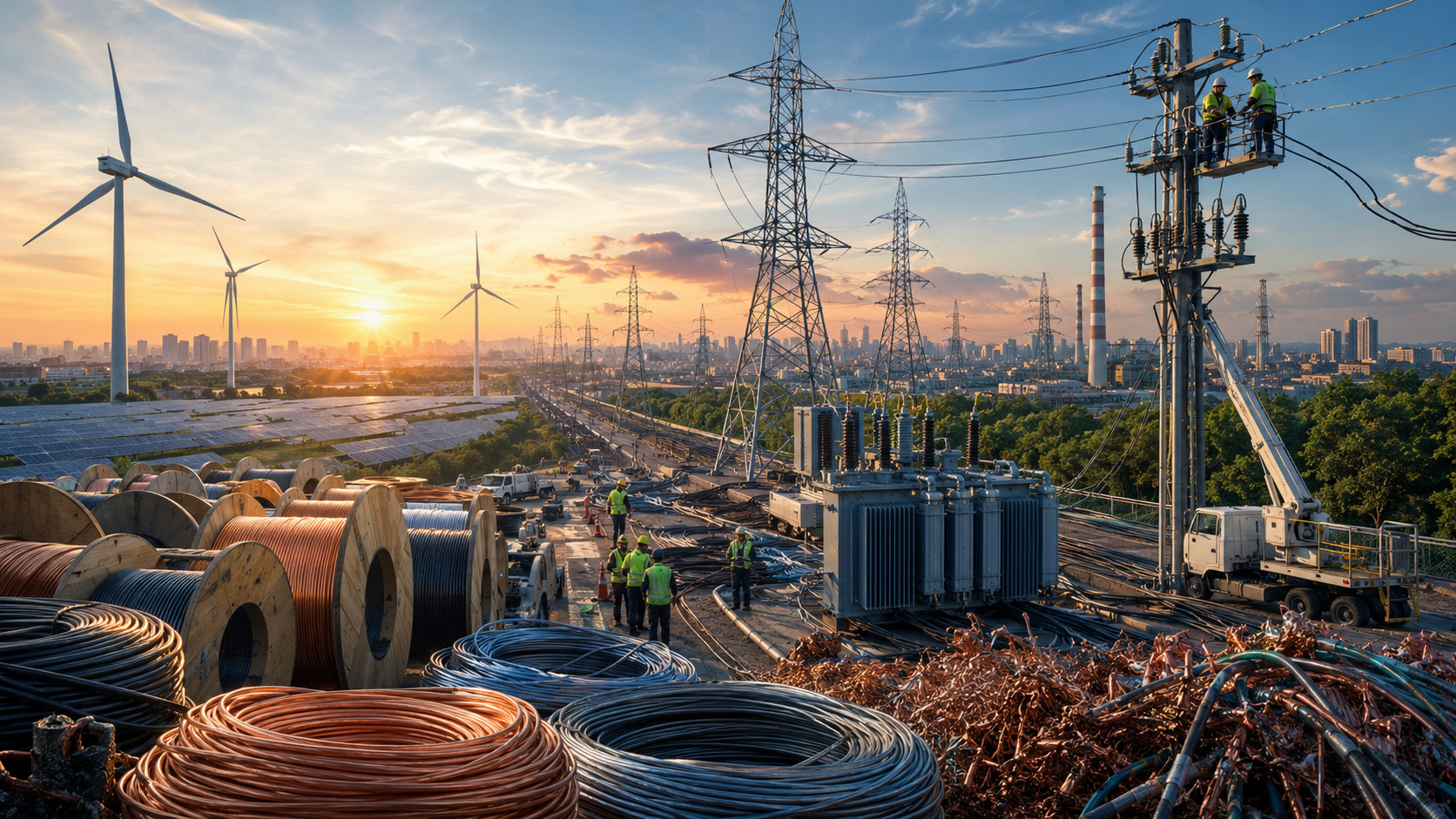
More than 80 million kilometers of wires need to be replaced by 2040: the energy transition doesn’t just depend on panels and electric cars, but on a colossal race for copper, aluminum, transformers, and recycling of old cables.


The new rule will affect consumers of low voltage with monthly consumption above 1,000 kWh, which includes large families, larger residential properties, and commercial establishments such as restaurants, hotels, and clinics.
Currently, only large industrial consumers have access to the so-called “White Tariff”, created in 2018. This modality already offers discounts for those who consume energy outside peak hours, but participation is voluntary.
Electricity Bill with Time-Based Tariff Will Be Automatic for Large Consumers
The main difference in the new model is that participation will no longer be optional. Any consumer who exceeds the limit of 1,000 kWh per month will be automatically classified under the time-based tariff, but may request removal if they consider there is no economic advantage.
According to Aneel, the measure has the potential to improve the efficiency of the electric system, as it “will increase demand response, encouraging consumption to shift to periods of lower load, contributing to tariff moderation and greater integration of renewable sources.”
Although the direct impact will affect only 0.9% of residential consumers, the effects on the system will be broad. In rural areas, the change is expected to reach 5.9% of users, while in the commercial, industrial, and services sector, the number rises to 17.1%. Despite making up only 2.5% of low voltage consumers, these groups consume 25% of the total electric energy of that segment.
“Right Time” Tariff and Incentive for Sustainable Consumption
To facilitate public acceptance, Aneel is studying new names for the tariff, such as “Right Time Tariff,” “Smart Tariff,” or “Sustainable Tariff,” replacing the term “White Tariff.” The change aims to bring the concept closer to the population and reinforce the idea of a more conscious and sustainable consumption.
The proposal is also aligned with the transformation of the Brazilian electric matrix, which is increasingly dependent on renewable sources, such as solar and wind energy. In recent years, these sources have rapidly increased: solar generation jumped from 793 MW in 2020 to 5,589 MW in 2024, while wind energy rose from 1,726 MW to 4,239 MW in the same period.
Currently, these two sources already represent 91.1% of installed capacity, making the system cleaner but also more complex. This is because solar generation, for example, is abundant during the day but drops at night—precisely when the demand for energy rises.
To avoid the intensive use of thermal plants, which are more expensive and polluting, Aneel aims to encourage consumption outside of peak hours. The measure should also promote more efficient habits, such as scheduling washing machines for the early morning, using air conditioning strategically, and charging electric cars at night.
Thus, the time-based tariff proposal not only redefines the value of the electricity bill but also elevates Brazil to a new level in the pursuit of energy efficiency and sustainability.







Fui diagnosticada com doença de Parkinson há quatro anos. Por mais de dois anos, dependi da levodopa e de vários outros medicamentos, mas, infelizmente, os sintomas continuaram piorando. Os tremores se tornaram mais perceptíveis e meu equilíbrio e mobilidade começaram a declinar rapidamente. No ano passado, por desespero e esperança, decidi experimentar um programa de tratamento à base de ervas da NaturePath Herbal Clinic.
Sinceramente, eu estava cética no início, mas, poucos meses após o início do tratamento, comecei a notar mudanças reais. Meus movimentos ficaram mais suaves, os tremores diminuíram e me senti mais firme ao caminhar. Incrivelmente, também recuperei grande parte da minha energia e confiança. Tem sido uma experiência transformadora. Me sinto mais eu mesma novamente, melhor do que me sentia há anos. Se você ou um ente querido está lutando contra a doença de Parkinson, recomendo muito que você considere a abordagem natural deles. Você pode visitar o site deles em www. naturepathherbalclinic. com
Fui diagnosticada com doença de Parkinson há quatro anos. Por mais de dois anos, dependi da levodopa e de vários outros medicamentos, mas, infelizmente, os sintomas continuaram piorando. Os tremores se tornaram mais perceptíveis e meu equilíbrio e mobilidade começaram a declinar rapidamente. No ano passado, por desespero e esperança, decidi experimentar um programa de tratamento à base de ervas da NaturePath Herbal Clinic.
Sinceramente, eu estava cética no início, mas, poucos meses após o início do tratamento, comecei a notar mudanças reais. Meus movimentos ficaram mais suaves, os tremores diminuíram e me senti mais firme ao caminhar. Incrivelmente, também recuperei grande parte da minha energia e confiança. Tem sido uma experiência transformadora. Me sinto mais eu mesma novamente, melhor do que me sentia há anos. Se você ou um ente querido está lutando contra a doença de Parkinson, recomendo muito que você considere a abordagem natural deles. Você pode visitar o site deles em w ww.naturepathherbalclinic.com