






 Portuguese
  Spanish
  3 min of reading
  0 comments


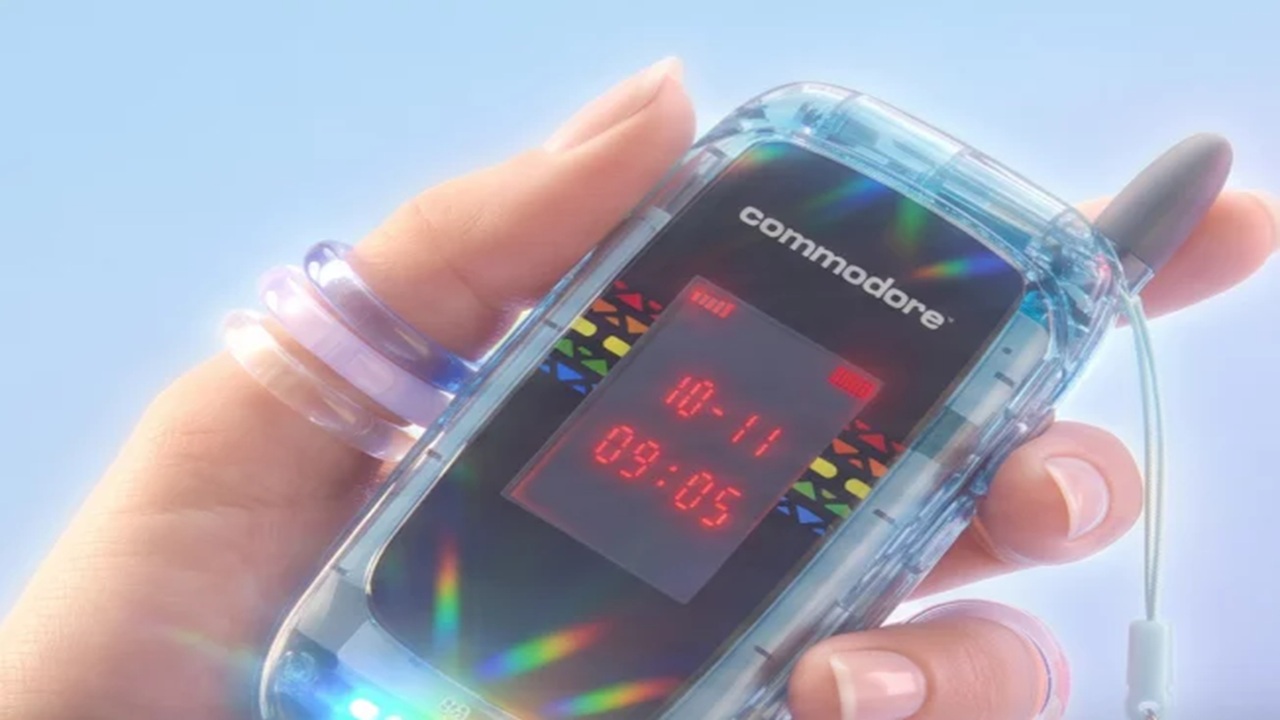
Called Callback 8020, the new device from Commodore combines MediaTek Helio G81 processor, 4 GB of RAM, 64 GB of storage, 48 MP camera, removable battery, and compatibility with essential applications, but prevents access to social networks and browsers directly through the Sailfish OS operating system.
Commodore has returned to the market with an unusual proposal: to transform the smartphone into a less invasive device without eliminating resources considered essential. The Callback 8020 combines a foldable format, retro look, and modern functions while restricting social networks and browsers to reduce distractions.
Known for the computers that marked the 1980s, the brand bets on the growth of basic cell phones and digital minimalism.
The model was presented as an intermediate alternative between very limited devices and smartphones loaded with features aimed at constant screen presence.
-
Self-Taught Chinese Farmer Builds 5-Ton Submarine from Scrap, Launches It in Anhui River

-
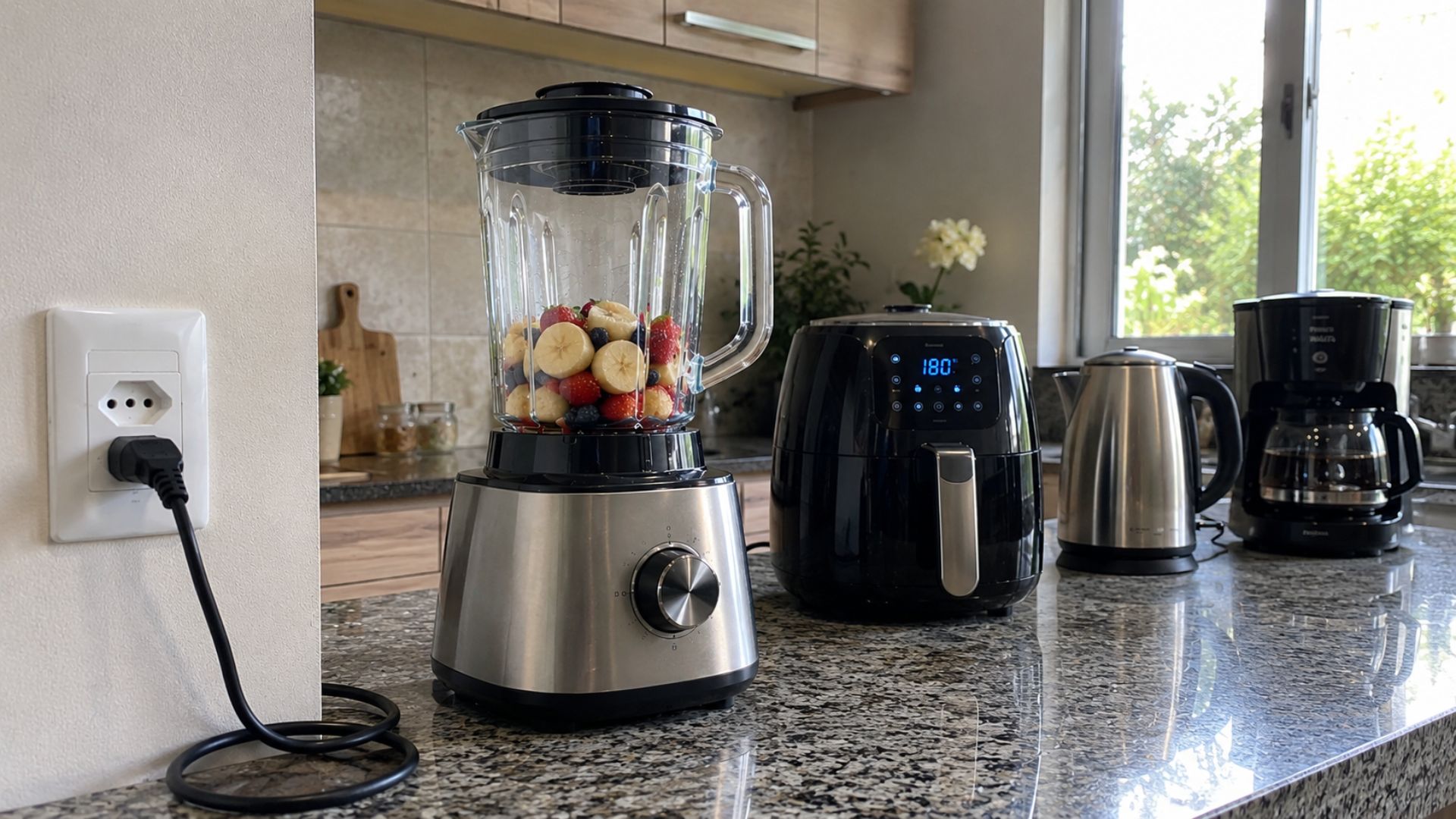
Invisible Induction Technology Enables Wireless Power for Blenders, Coffee Makers, and Air Fryers, Reducing Countertop Cables

-
Smart Outdoor Lighting Transforms Gardens into Living Spaces with Weather Resistance and App-Controlled Scenes

-
Green dot on top of smartphone intrigues users, signals privacy alert in Android 12 that experts say shouldn’t be ignored.



The company describes the product as “the dumb phone that isn’t dumb,” an expression that summarizes the combination of purposeful simplicity, practical connectivity, visual personality, and independence from current traditional smartphone ecosystems.
Retro smartphone keeps essential applications
The Callback 8020 uses Sailfish OS, a Linux platform focused on privacy and developed in partnership with the Finnish company Jolla. The system allows running approximately 99% of Android applications but operates without Google services and does not require initial login.
Applications like WhatsApp, Signal, Telegram, maps, ride-sharing, and music streaming can be used. On the other hand, social networks and internet browsers are blocked by the system itself, a central feature of the strategy to limit digital habits considered excessive.
Commodore claims that the device does not collect data. The proposal is to offer communication, location, mobility, and audio entertainment without providing access to platforms that typically concentrate more usage time and continuous notifications.
Small screen and physical keyboard reduce distractions
The cell phone features a 3.25-inch touch screen, disabled by default. The user is encouraged to use the numeric keypad and T9 typing, a common feature in phones before the popularization of large screens.
On the outside, a small display shows only the time, battery level, and signal. Five Dome LEDs indicate notifications, preventing the device from needing to be opened repeatedly just to check for new messages or alerts.
The set includes a MediaTek Helio G81 processor, 4 GB of RAM, and 64 GB of storage. The camera has 48 megapixels, the battery is removable, and a privacy button allows the system to be deactivated with two taps.
Audio revives the heritage of the Commodore 64
The audio area includes DAC chips from ESS and Cirrus Logic, lossless file playback, FM radio, and included in-ear headphones. The ringtones use sounds from the SID chip, a component directly associated with the Commodore 64 computer.
Besides nostalgia, the Callback offers interchangeable batteries and back covers. The flip format allows interactions to end by closing the device, reinforcing the idea of creating physical and functional barriers against automatic and prolonged use.
Price starts at US$ 499.99
The standard versions will cost from US$ 499.99. Premium finishes reach approximately US$ 640, including the Founders Edition, equipped with golden details, a 24-carat gold-plated Commodore key, and a special presentation box.
Pre-orders are expected to start on June 30, with free international shipping for a limited time. The first devices should be shipped at the end of the year. The initial price is below the Light Phone III, quoted at US$ 699.
The launch also targets families interested in devices for those under 16, especially given the restrictions on youth access to social networks already adopted in Australia and planned for the UK in 2027.
What do you think of this smartphone proposal with useful apps, a physical keyboard, and permanent social network blocking? Tell us in the comments if you would use the Callback 8020 in your daily life, if you consider the price appropriate, and which features would be indispensable to abandon a conventional device.





Be the first to react!