Portuguese
  Spanish


Advancement In Lithium-Ion Battery Design Could Revolutionize Electric Vehicle Performance In Extreme Cold – Recharging Up To 6X Faster.
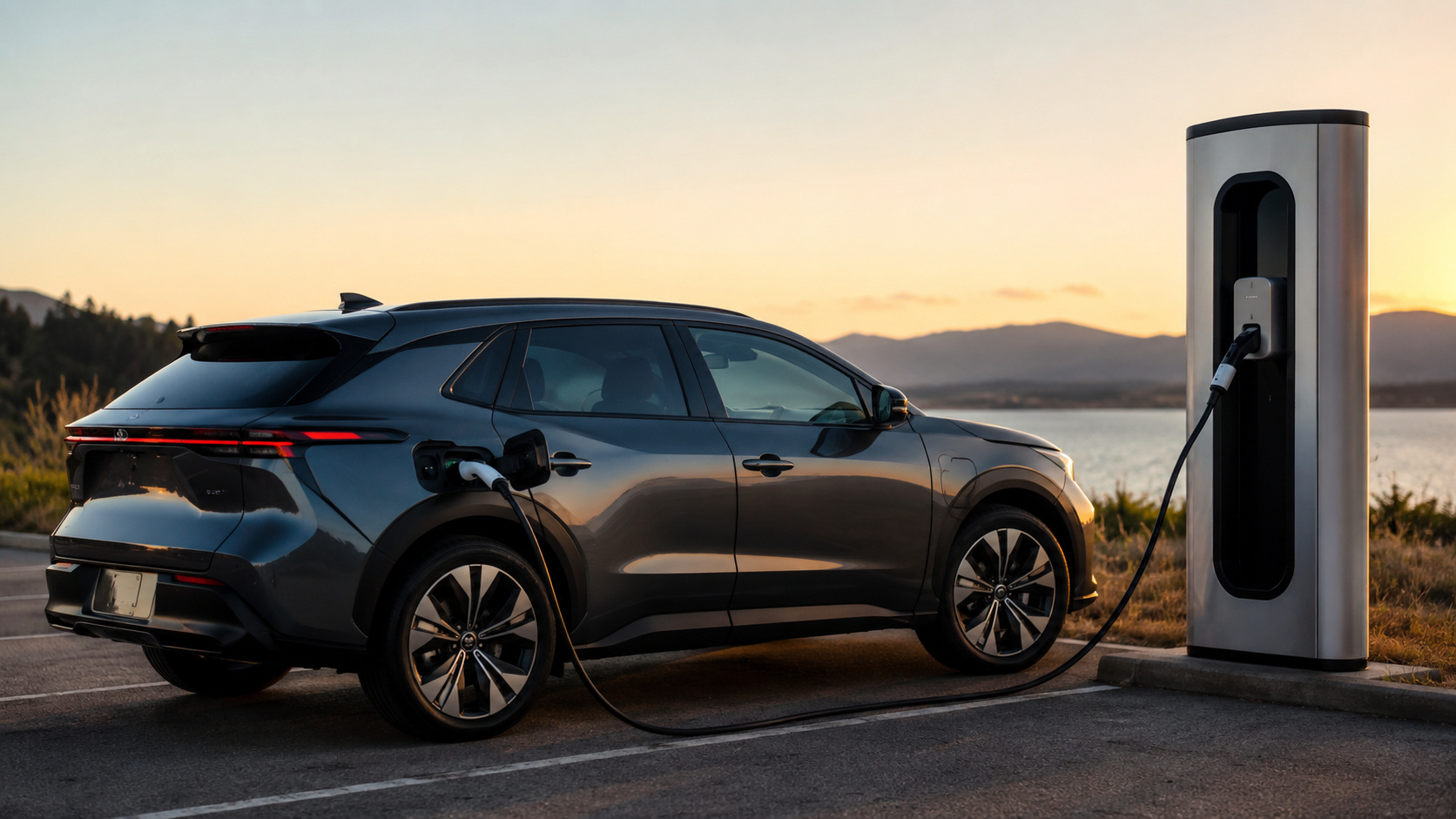
A new fast charging technology promises to transform the electric vehicle market, especially in cold climate regions. Scientists have developed an innovative method that allows reducing the charging time of lithium-ion batteries by up to six times in extremely low temperatures, such as -10 °C. The research, published in the scientific journal Joule, represents a significant advancement for the popularization of electric vehicles in places with harsh winters.
Currently, charging batteries in extreme cold conditions is one of the main challenges for the mass adoption of electric cars, due to reduced energy efficiency and prolonged charging times. With the new technique, engineers have found a solution that not only speeds up the process but also maintains battery durability.
Understand How The Cold Affects The Charging Of Lithium-Ion Batteries
Lithium-ion batteries, widely used in electric cars, suffer considerably from low temperatures. The cold thickens the liquid electrolyte that carries lithium ions between the electrodes, decreasing electrical current and increasing the time needed for charging.
-
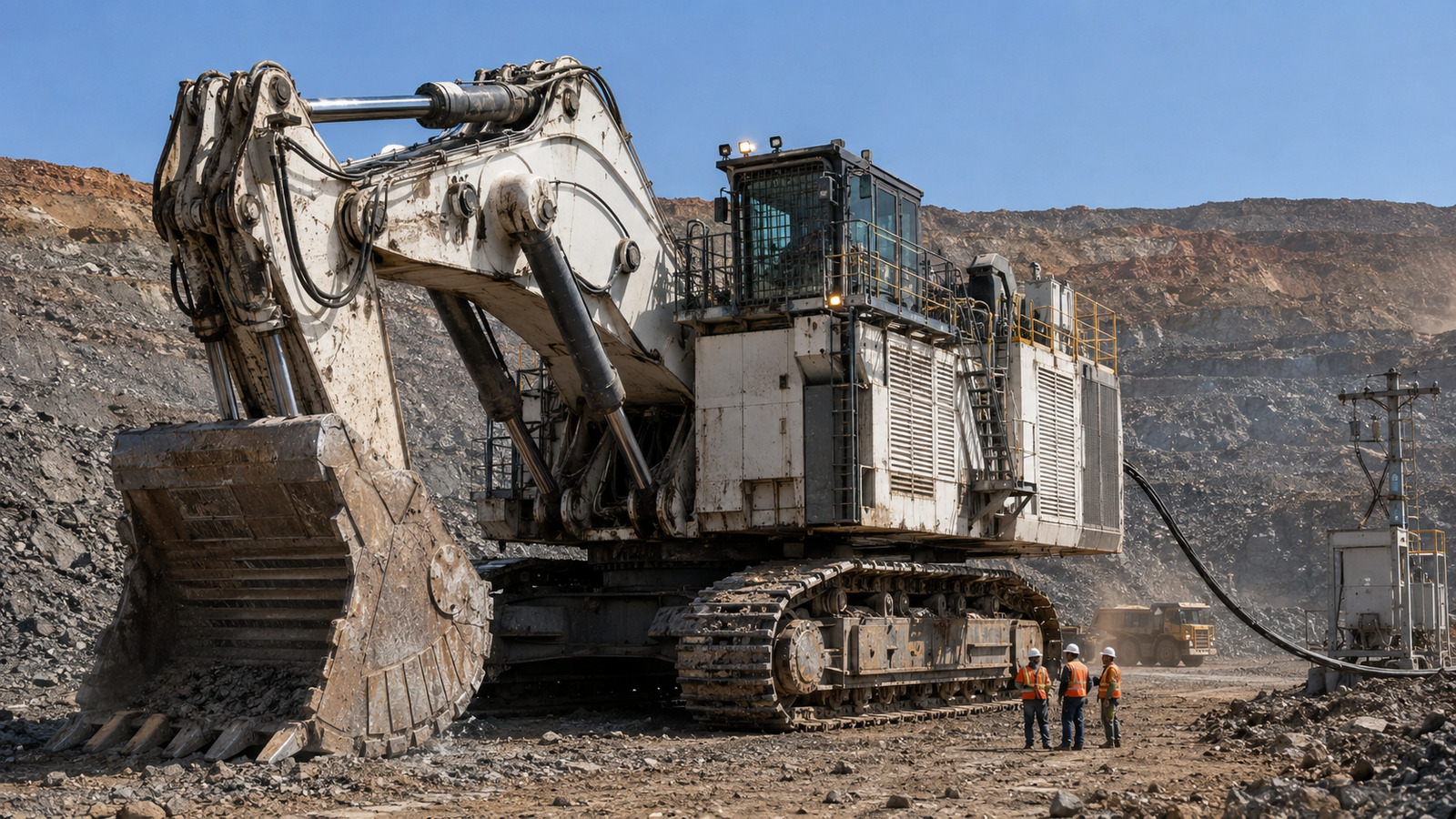
Unprecedented achievement in India: a colossal 650-ton, nearly 3,000 hp excavator is transformed into 100% electric, marking a new phase in heavy mining.

-
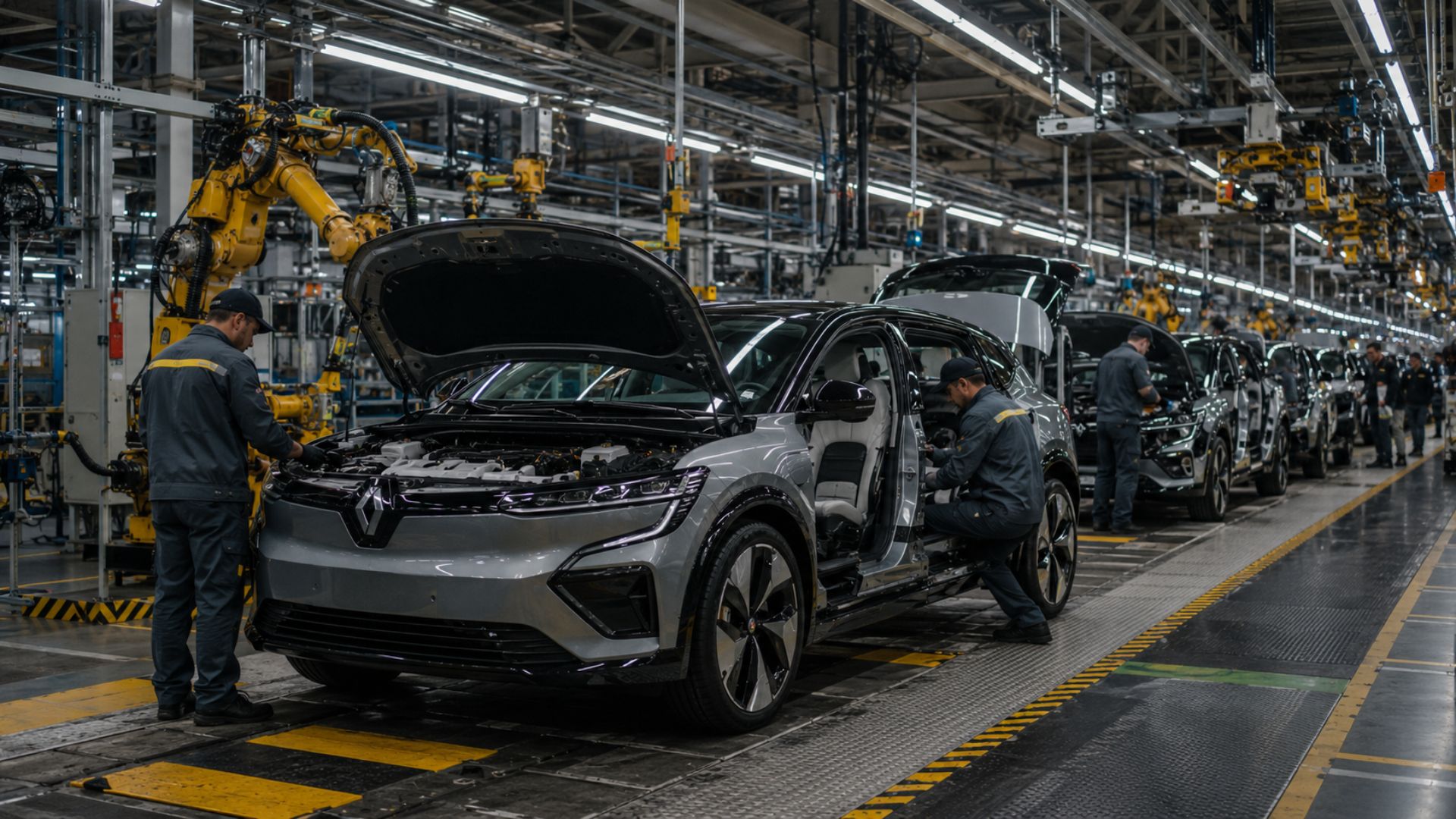
Frightened by the speed of Chinese manufacturers, Renault decided to mimic the pace, made the new electric Twingo in just 21 months, wants to repeat the feat with 36 models by 2030, and along the way, will cut up to 2,400 engineering positions.

-
Chinese battery from Dongfeng promises to exceed 1,000 km without relying on liquid electrolyte, and the detail behind the technology could change the electric car competition.

-
The end of the automotive combustion era has already begun, but many in Brazil have not yet realized the magnitude of the shift towards Chinese electric cars.
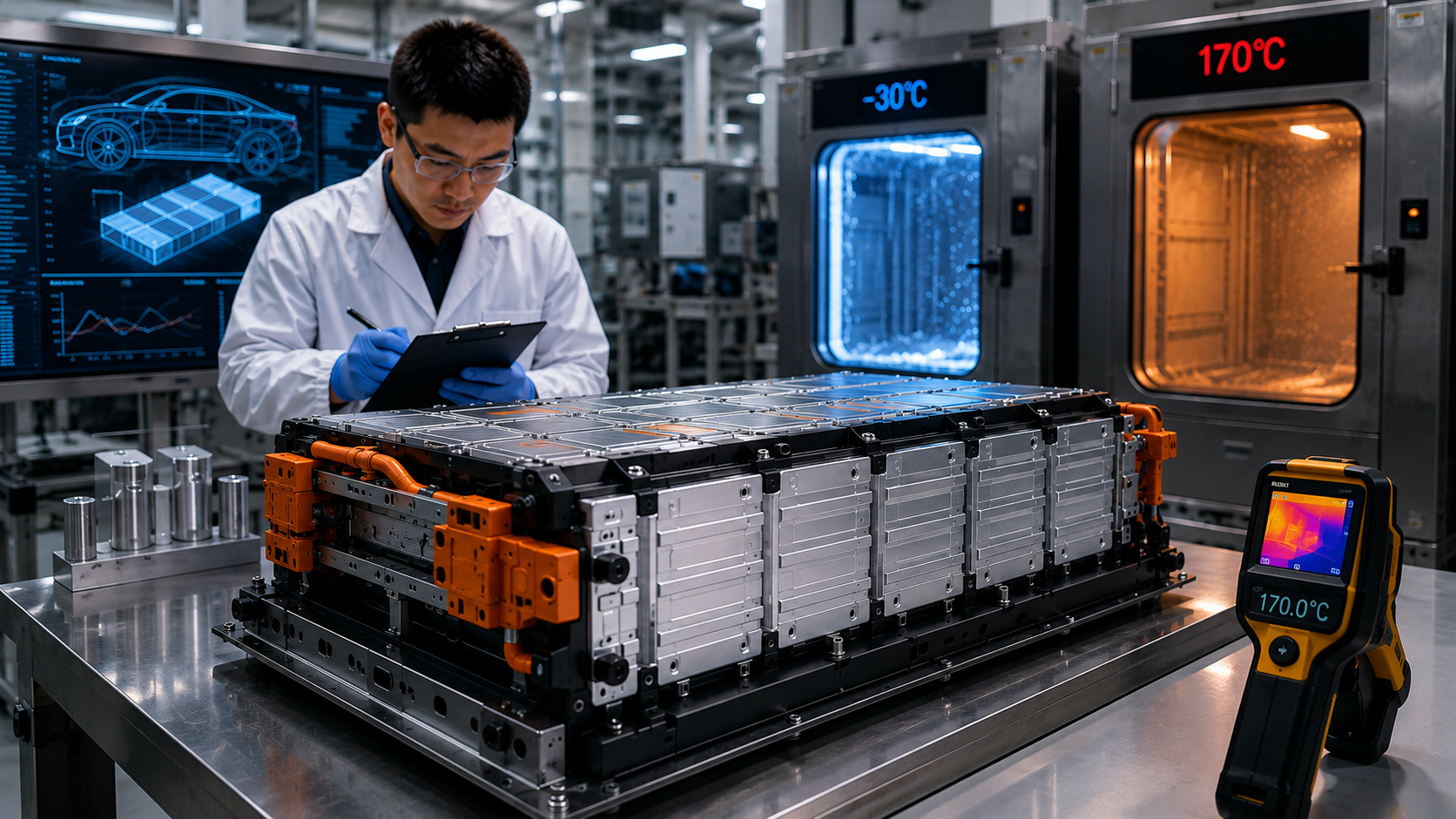
Moreover, at negative temperatures, the chemical reactions inside the batteries become less efficient, reducing vehicle range and hindering overall performance. Many electric vehicle owners notice a drop of 20% to 40% in range during winter.
So far, the solutions proposed by manufacturers included increasing the thickness of electrodes or internal heating systems, but these alternatives merely alleviated the problem without addressing its root cause.
The Innovation: Perforated Structure And Special Coating For Fast Charging In Cold
The new method combines two main innovations to enable fast charging in extreme cold:
Laser Drilling of Anode:
The research team created “preferred pathways” inside the battery anodes by drilling layers of graphite with laser beams. This technique had been previously tested to improve lithium ion movement, reducing internal resistance and speeding up charging.
Coating with Lithium Borate-Carbonate:
To prevent lithium deposition—a common problem during charging at low temperatures—the scientists applied a thin layer of lithium borate-carbonate on the anodes. This material improves electrical conductivity and stabilizes chemical reactions, allowing the battery to withstand fast charging even at -10 °C.
With this combination, the batteries achieved a 500% increase in charging efficiency in tests under extreme cold, while maintaining 97% capacity after 100 fast charge cycles.
Impact On The Electric Vehicle Market
The introduction of this new fast charging technology could resolve one of the main obstacles faced by electric vehicle drivers: the drastic drop in battery performance at negative temperatures.
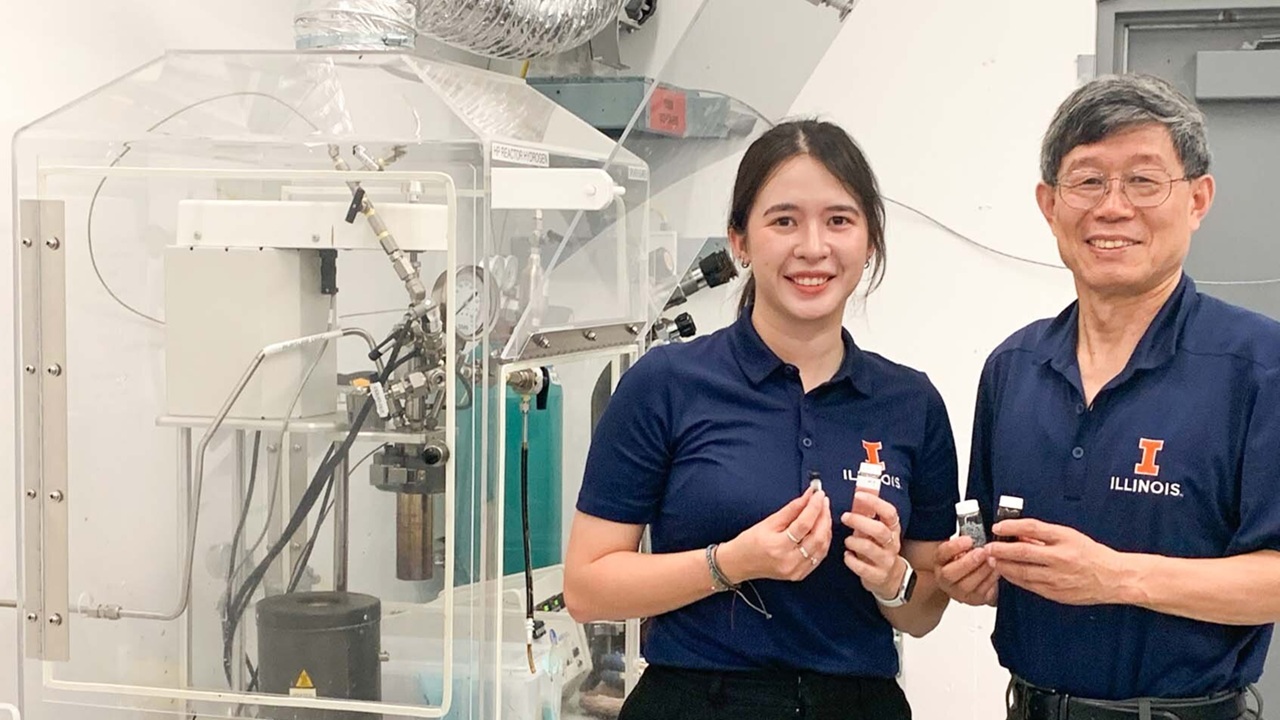
According to researcher Neil Dasgupta, one of the authors of the study, the innovation can be implemented without the need for major changes to existing industrial processes. In other words, manufacturers could quickly adapt their production lines to incorporate the new technique.
This has significant implications for the global market, especially in cold climate regions such as Canada, northern United States, Central Europe, and Nordic countries, where the popularization of electric vehicles faces obstacles due to harsh winters.
Benefits Beyond Charging Speed
In addition to speeding up fast charging in extreme cold, the innovation offers other important advantages:
- Longer Battery Life: Reducing lithium deposits increases the durability of internal components.
- Energy Efficiency: Less energy wasted during charging, which also improves vehicle range.
- Cost-Effectiveness: The application of materials such as lithium borate-carbonate is relatively inexpensive, which may minimize the impact on the final prices of automobiles.
- Sustainability: More efficient and durable batteries reduce the need for frequent replacements, decreasing environmental impact.
Next Steps: From Research To Market
Although the technology is still in the laboratory testing phase, the promising results have already drawn the interest of major battery manufacturers and electric vehicle manufacturers.
The next step, according to the researchers, will be to conduct pilot-scale tests and validate the efficacy of the modified batteries in real-life conditions, integrated into commercial vehicles. If the results are positive, the expectation is that fast charging batteries for extreme cold will reach the market within two to three years.
Companies such as Tesla, Ford, and Volkswagen, which are already heavily investing in next-generation batteries, should closely monitor these advancements.
The development of solutions to improve the performance of lithium-ion batteries in cold is a fundamental step to enable the mass adoption of electric vehicles. Without these improvements, many consumers in cold regions may continue to opt for combustion vehicles due to practical limitations faced in winter.
With the new fast charging technique, drivers will be able to enjoy competitive charging times in any season, increasing the attractiveness of electric vehicles and accelerating the transition to cleaner and more sustainable mobility.