Portuguese
  Spanish


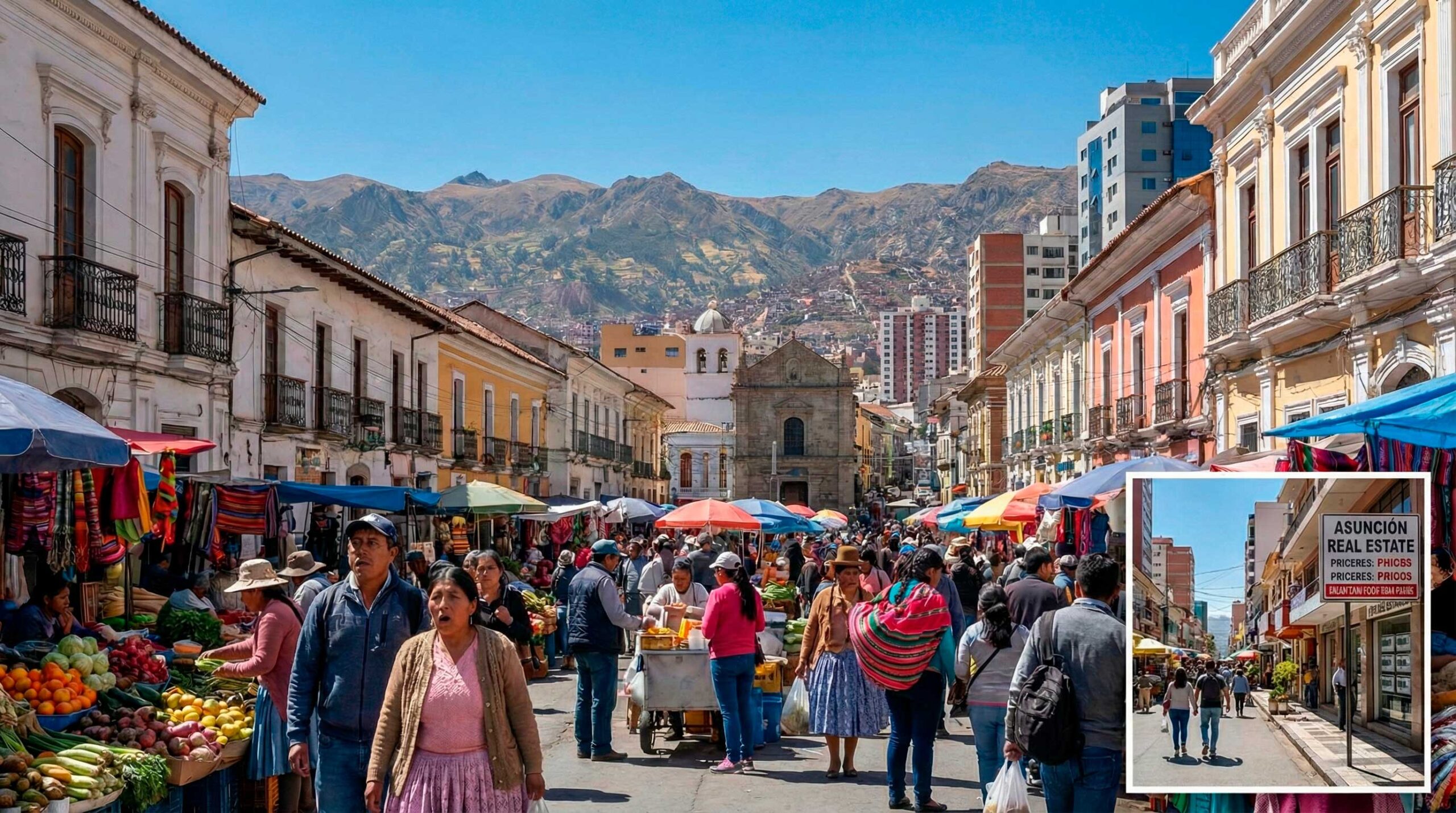


Bolivia Leads The Cost Of Living In South America In 2026, Ahead Of Paraguay, According To The Numbeo Index. With A Score Of 18.98, The Country Shows Lower Housing And Service Expenses, While Paraguay Marks 20.30
The Bolivia has taken the position of the cheapest country in South America in 2026, according to the Numbeo cost of living index. The survey considers the price of goods, services, and rent, providing a direct picture of what weighs on the wallet month after month.
With a score of 18.98, Bolivia surpassed Paraguay, which ranks second with 20.30. The difference is noteworthy at a time when the region faces persistent inflation and rising housing costs.
Numbeo combines prices of basic products, services, transportation, and rent, allowing one to see both daily spending and the impact of housing expenditure ceilings. This methodology broadens the comparison and reduces distortions produced by very narrow focuses.
-
Brazilian Container Factory Innovates by Halving 40-Foot Units Seamlessly to Create Autonomous Market Pods

-
Former XP Partners Launch Yuool, a Recycled PET Bottle Shoe Brand, Becoming Brazil’s First B Corp Footwear Company with $15 Million Revenue

-
Man Who Spent 27 Years Cleaning Classrooms in Louisiana Becomes Principal of the Same School at 39

-
Discarded Firefighter Uniforms Repurposed into Fire-Resistant Fabric by Spanish Company




The information is part of the Numbeo database and was highlighted by the website Diário da Região, which reported on the latest results of the South American ranking based on these numbers.
What The Numbeo Index Measures And Why Bolivia Leads By A Large Margin
The Numbeo index does not only look at the shopping basket; it consolidates expenses with services, transportation, and housing. This allows for comparing countries considering what really weighs on the monthly budget, not just isolated items.
In the case of Bolivia, the good performance reflects lower costs in several areas, with relevance for the real estate market and essential services. When rent and basic bills decline, the pressure on income eases, and the final index improves.
This set of lower prices sustains Bolivia’s leadership and indicates an environment of more streamlined expenses for residents in the country. It is a sign that the domestic economy can accommodate consumption and housing with less salary sacrifice.
Paraguay In Second Place, Still Among The Cheapest In South America
Even if not at the top, Paraguay remains a reference of low cost on the continent. With a score of 20.30, it continues to be a competitive alternative for families and workers seeking lower rent, food, and service costs.
According to Numbeo data, the gap between Paraguay and more expensive countries remains large. A direct comparison with Uruguay, the highest cost leader in the region, highlights this significant difference.
Regional Comparison, Brazil, Argentina, Chile, And Peru Above And Uruguay At The Top Of The Cost
Numbeo’s numbers show that Brazil, Argentina, Chile, And Peru register scores higher than those of Bolivia and Paraguay. This keeps the two neighbors as poles of lower relative expense within the South American map.
On the other end, Uruguay holds the highest cost in the region, reinforcing the internal contrast of the continent. The reading of the ranking indicates a broad price range among countries with very different income and housing structures.
In this scenario, Bolivia’s leadership in 2026 serves as a thermometer for a more manageable housing cost and services with moderate prices. The practical effect appears in the budget, especially where rent accounts for a large part of income.
Already Paraguay, even after losing the first position, maintains a significant advantage over economies with more pressured living costs. The combination of goods, services, and housing at a lower level supports the perception of affordability.
For everyday planning, Numbeo data helps to compare destinations and understand why certain countries gain ground when the goal is to reduce fixed expenses. The common gauge facilitates more rational choices and avoids illusions created by isolated prices.
What To Observe When Planning A Move Or Investment Considering Cost Of Living
The cost of living index is a useful comparative snapshot, but it does not replace a broader evaluation. Factors such as disposable income, economic stability, and job availability also come into play before any move or investment.
By crossing data on housing, transportation, and services with local opportunities, it is possible to better estimate the final balance in the budget. The numbers from Numbeo provide the foundation, and the reality of each city completes the picture for more secure decisions.
What do you think about this shift in the 2026 ranking, with Bolivia ahead of Paraguay? Does the lower cost offset potential income and job market challenges? Share your experience in the comments and whether you would switch countries to pay less for rent, services, and monthly purchases. Do you agree that Uruguay is currently the most expensive outlier in the region or do you see another country approaching that top?