






 Portuguese
  Spanish


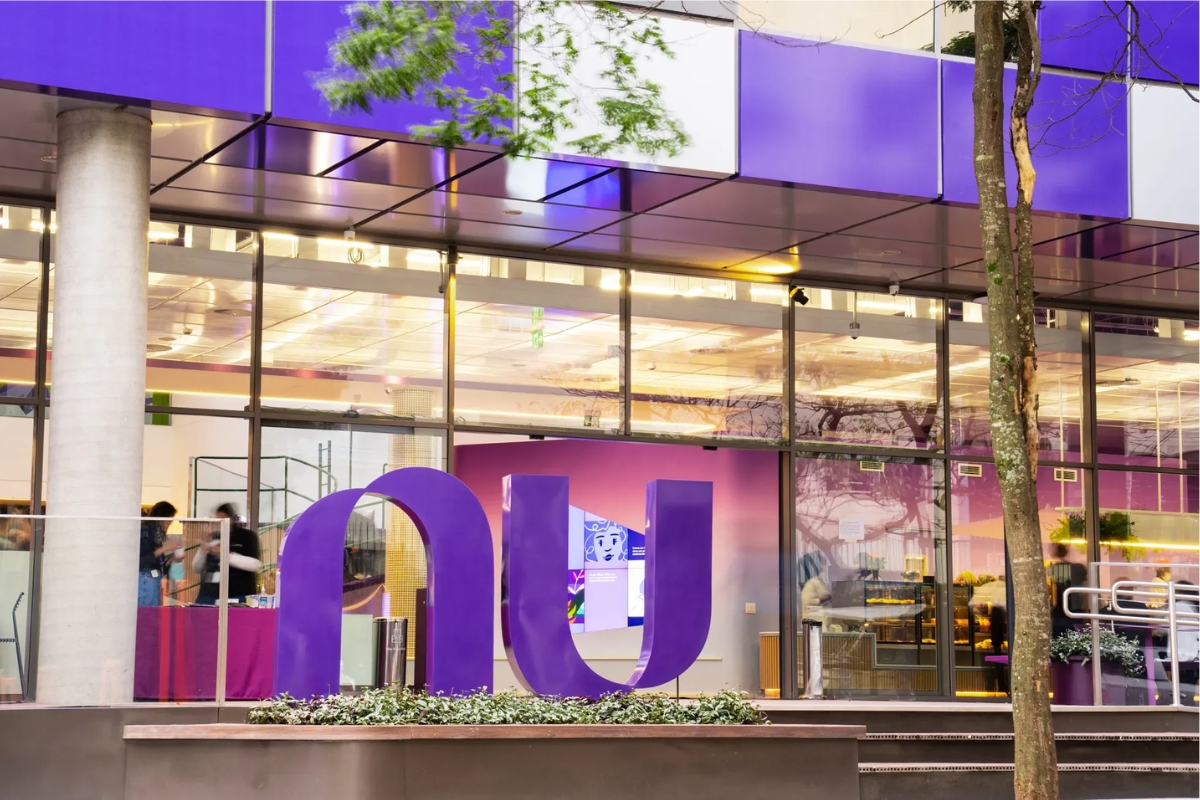

Nubank Faces Strong Backlash After Dismissing 12 Employees for Cause During Transition to Hybrid Model. The Union Demands Explanations, Calls for Suspension of Dismissals, and Warns of the Risk of Regression in Labor Relations.
Nubank, one of the largest fintechs in Latin America, is at the center of a controversy that has put its image as a modern and flexible company to the test. After announcing the return to a hybrid work model, 12 employees were dismissed for cause following an internal meeting marked by criticism and tensions. The episode triggered a strong reaction from the Union of Bank Employees of São Paulo, Osasco, and Region, which demands the immediate suspension of the dismissals and accuses the company of punishing employees for expressing their opinions.
The change marks the end of five years of fully remote operations, during which Nubank grew and consolidated its base of over 122 million customers. Starting in July 2026, employees will be required to work in-person two days a week, and starting in January 2027, three days. According to CEO and founder David Vélez, the decision aims to reduce the “invisible costs” of remote work, such as decreased collective productivity and challenges in maintaining innovation in complex projects.
Internal Tension and Dismissals for Cause
The crisis began after a virtual meeting held in early November, attended by around seven thousand employees. During the meeting, several employees expressed dissatisfaction with the mandatory return to the office, especially those who live far from the company’s headquarters or were hired in other regions of the country during the remote phase.
-
Court Upholds Just Cause Dismissal of Employee for Posting Social Media Videos During Work Hours

-
Dismissing a retired worker or one eligible for retirement constitutes ageism and creates a duty to compensate: a unanimous decision by the TRT mandates reinstatement to employment, payment of back wages, and upholds compensation of R$ 15,000 for discrimination.

-
Work less and produce more? Nobel Prize in Economics explains why shorter workdays can increase productivity

-
Unions are growing again in Brazil after more than a decade, but they face an urgent challenge to win back digital workers and maintain relevance.



A few days later, Nubank announced the dismissal of 12 people for cause, claiming that there were behaviors deemed offensive and contrary to the code of conduct. In an internal statement, Vélez stated that the fintech values dialogue but does not tolerate disrespect. However, the decision was met with indignation from colleagues and quickly came to the attention of the union, which classified the dismissals as abusive and lacking plausible justification.
In a public statement, the company reiterated that it does not comment on individual dismissal cases and continues to evaluate each situation in isolation through its Conduct Committee. Nubank emphasized that it values an open environment for debate but maintained that certain lines cannot be crossed when there is a direct offense to other professionals.
Union Reaction and Demand for Dialogue
The Banking Union reacted by demanding explanations and calling for the immediate suspension of the dismissals. The entity questioned the lack of transparency in the process and argued that no worker should be punished for expressing their views on changes affecting their routine. It also announced it would open a listening channel to receive reports from employees and plans to hold a virtual meeting to hear from the category, especially those who felt surprised by the decision.
The union also criticized the policy requiring the majority of positions to be located within 50 kilometers of an official office. The entity argued that this measure is discriminatory as it affects remotely hired professionals living in other regions of Brazil or abroad. Many of these employees now find themselves forced to choose between relocating, even with assistance offered by the company, or facing dismissal.
The union argued that the transition should occur with dialogue and responsibility, prioritizing job preservation and employee well-being. It also demanded guarantees that the return to the hybrid model does not become a way to pressure employees to leave the company.
A New Scenario for Nubank and the Technology Market
Nubank’s decision comes at a time of significant physical expansion. The fintech is renovating offices and opening new innovation centers in Campinas, Belo Horizonte, Rio de Janeiro, Buenos Aires, Miami, and Palo Alto. The goal is to attract talent and strengthen teamwork on strategic projects.
On the other hand, experts point out that the episode could affect the company’s reputation as one of the most modern in the digital financial sector. The image of flexibility, which was one of the pillars of Nubank’s growth, could be compromised if the conflict drags on or if the union decides to take the case to court. The situation also raises a warning for other technology companies considering revising their home office policies, demonstrating how the return to in-person work can generate internal strife and questions about freedom of expression.
The Crisis as a Turning Point
The impasse between the fintech and its employees exposes a dilemma that goes beyond the specific case. On one hand, the company argues that physical presence strengthens corporate culture, fosters collaboration, and improves productivity. On the other hand, thousands of professionals believe that remote work is a hard-won right and represents a better quality of life, while also expanding access to opportunities in different regions of the country.
How Nubank navigates this transition could set a precedent for the entire financial and technology sector in Brazil. If there is dialogue and a review of decisions, the fintech may preserve part of its credibility and demonstrate its capacity for adaptation. However, if it insists on an inflexible stance, the case could evolve into a large-scale labor dispute.


