






 Portuguese
  Spanish


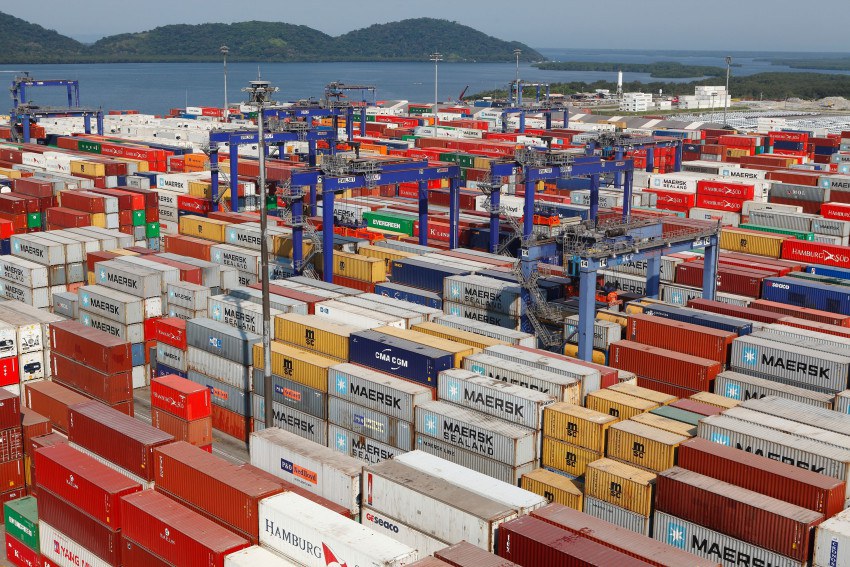

In 2017, Brazil occupied the 26th position in the ranking of the 30 largest exporters in the world; in 2018, it dropped a position to 27th place, according to an annual report released yesterday, on the 2nd, by the World Trade Organization (WTO).
The number 1 in the ranking is China, followed by the United States and Germany. The last position in the report is occupied by Indonesia. Despite the drop in position and the 26th place being taken by Vietnam, Brazil saw a 10% increase in sales compared to 2017. Last year, exports reached US$ 239.5 billion, with a 9.6% increase, and imports grew by 19.7%, totaling US$ 181.2 billion. The trade balance (difference between exports and imports) in 2018 stood at US$ 58.3 billion.
According to preliminary data from the WTO, global trade grew by 3% in 2018; in September, the growth was lower than expected at 3.9%. This result came from a worsening in global trade in the fourth quarter of 2018. For 2019, the forecast is a 2.6% growth in global trade, in line with the expected GDP (Gross Domestic Product) growth of 2.6%. In 2020, global trade is expected to grow by 3%, and global GDP by 2.6%.
-
Lenovo Unveils Legion Y700 Tablet with RGB Backlighting, 5G, and SIM Card Support
-
Lenovo Unveils Legion Y700 Tablet with RGB Backlighting, 5G, and SIM Card Support
-
Northern Brazilian City Prepares Task Force to Mitigate El Niño Impacts with Stockpiled Fish, Drone Monitoring, Firefighting, and Water Supply Reinforcement in Remote Areas

-
Brazil to Issue “Panda Bonds” in China, Aiming to Raise Up to 5 Billion Yuan at Lower Interest Rates Than Dollar Debt

Brazilian Trade Balance
The Brazilian trade balance had a surplus of US$ 58.3 billion in 2018. According to the Ministry of Economy, this is the “second-best performance recorded since 1989.” The surplus accounts for the difference between exports (US$ 239.5 billion) and imports (US$ 181.2 billion).
There was an increase in exports to the so-called “main markets” of Brazilian products: China, the European Union, and the United States. Transactions with the Chinese generated US$ 66.6 billion (an increase of 32.2% compared to 2017). With Europeans, exports totaled US$ 42.1 billion (up 20.1%). Sales of products to Americans generated US$ 28.8 billion (up 6.6%).
Government Forecasts a Surplus of US$ 50.1 Billion in the Brazilian Trade Balance for 2019.
The government forecasts a surplus of US$ 50.1 billion in the Brazilian trade balance this year. If confirmed, this will be the third-best result in the historical series, surpassing that of 2018.
In the coming weeks, changes in the composition of Camex and measures for Brazil’s trade opening will be announced. This Monday, the 1st, the Secretary of Foreign Trade at the Ministry of Economy, Lucas Ferraz, stated that the Brazilian government is focused on increasing trade flow with other countries around the world.
According to the secretary, the decline in Brazil’s exports does not concern the government. He emphasized that, until now, external sales have always been seen as something extremely positive, with imports viewed as the villain of international trade. He reiterated that the trade opening projected by the economic area will occur simultaneously with the adoption of measures to improve Brazil’s economy.
Niterói and Maricá Will Have a Billionaire Fund with Pre-salt Money







