






 Portuguese
  Spanish
  5 min of reading
  0 comments


Changes in Consumption and Innovation in the Sector Drive a New Era for Beers in Brazil, with Brands Investing in Health, Variety, and Experiences That Challenge the Dominance of Traditional Labels. Trends Indicate a More Demanding and Diverse Audience.
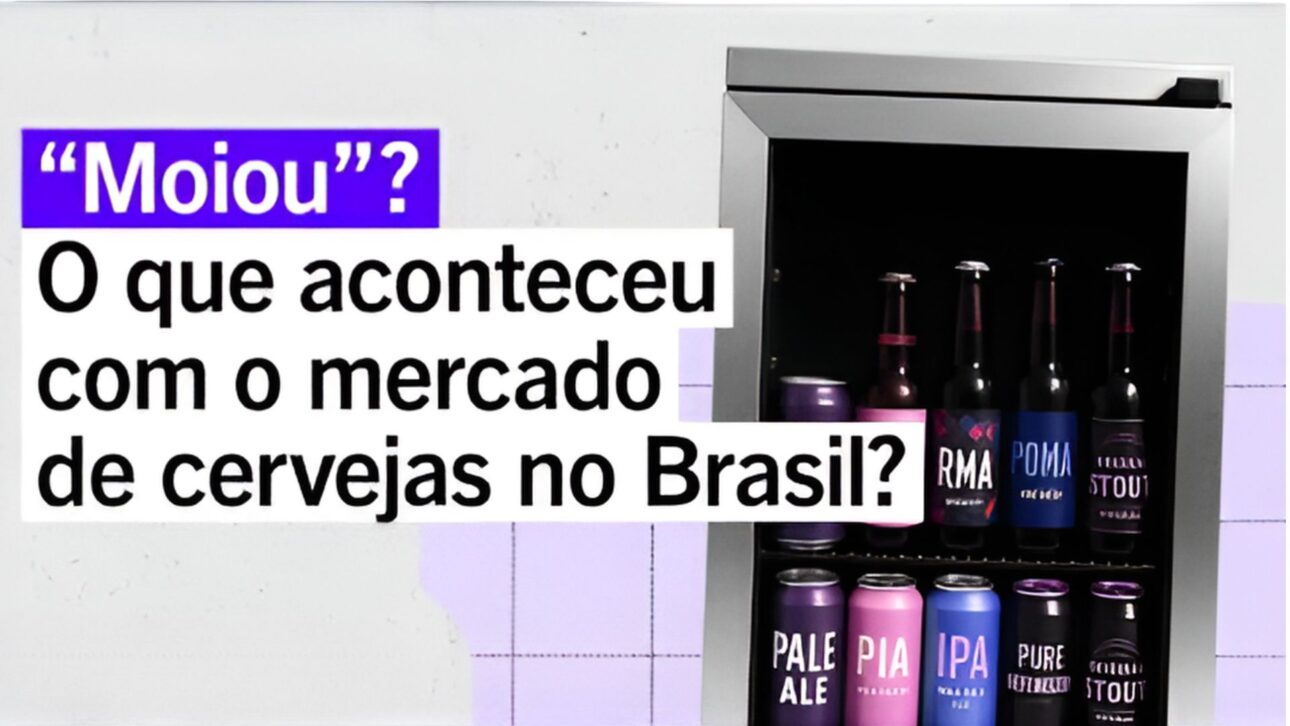
The consumption of beer in Brazil has undergone an accelerated transformation, driven by new consumer behaviors and the entry of innovative products into the market.
Today, brands offering beers with vitamin D, gluten-free options, or alcohol-free ones are gaining ground and significantly altering the dynamics of a sector historically dominated by large popular labels.
Beer Consumption and the Dominance of Big Brands
As published by the YouTube channel Invest News, for decades, traditional brands like Skol, Brahma, and Antarctica, all from Ambev (Beverage Company of the Americas), dominated the shelves and the Brazilian collective imagination.
-
Brazilian Joins Homeownership Consortium, Faces Decade of Dual Payments Totaling $141,000, Surpassing Traditional Mortgage

-
Land Rover to Halt Production in July, Putting 371 Jobs at Risk, as Chinese Automaker Negotiates to Convert Factory to 100,000 Vehicles Annually by 2027

-
Mexican Pest Threatens U.S. Cattle Herds at Historic Lows, Potentially Boosting Brazilian Beef Exports as Burger Prices Soar

-
Brazilian Freight Bill Progresses in Congress with $5,000 Minimum Wage, 70% Advance Payment, and Fines Up to $1 Million, as Agriculture and Industry Warn of Rising Costs and Legal Uncertainty


These mass-produced beers were associated with leisure moments, popular parties, and memorable advertising campaigns.
However, the current scenario is quite different.
The consumer has become more demanding and is seeking options that combine flavor, health, and identity, creating space for new competitors and segments.
Premiumization and Fragmentation of the Beer Market
This change has been particularly pronounced in the last decade, driven by two main factors: the search for differentiation and the rise of Heineken in the Brazilian market.
The more aggressive entry of international brands and the strengthening of craft breweries have increased the number of available options, making consumption much more fragmented.
According to industry estimates, there are currently thousands of beer labels available in the country, to the point that a consumer would need more than a century to try all the officially registered national brands if they tasted one per day.
The phenomenon known as “premiumization” has gained momentum, making the choice of beer an occasion-based decision, no longer just a routine habit.
Brands like Heineken and Stella Artois have come to be seen as status symbols, especially among urban consumers.
Heineken, in particular, invested in marketing, presence at strategic points of sale, and actions aimed at young audiences, capturing about 25% of the Brazilian market in 2025, according to the company’s own data.
Ambev still leads the sector, with approximately 60% market share, but its dominance is no longer as absolute as in the 2000s when it held over 70%.
Young People Change Beer Consumption in Brazil
The new generation of consumers also influences the transformations in the sector.
There is a growing movement towards moderation in alcohol consumption, especially among young adults.
Data from the consulting firm Euromonitor International shows that, in Brazil, the beer market is expected to grow only 1% per year until 2029, signaling stagnation in the number of regular consumers.
In response, companies have intensified the launch of alternative products, such as alcohol-free beers, lower calorie versions, and fortified recipes, like beers with added vitamin D.
Strategies of Big Companies and Innovation
“Our goal now is to cater to as many profiles and occasions as possible with the fewest viable labels,” explained Gustavo Castro, executive responsible for Ambev’s strategy and portfolio.
The company revised its portfolio, focusing on innovation, as seen in the case of Estella Pure Gold (gluten-free and lower calorie) and Corona Sunbrew (alcohol-free and enriched with vitamin D), while also adopting simplification, concentrating efforts on “mega brands” such as Brahma, Spaten, Budweiser, and Corona.
This strategic movement toward concentration on viable big brands has led to the cutting of less competitive labels, such as Bohemia and Antarctica, which lost space in the portfolio.
Additionally, Ambev utilized digital platforms such as Zé Delivery to test new products regionally before expanding distribution, as was the case with Spaten, which only gained national scale after outperforming international competitors in pilot markets.
Hourglass Economy and Market Trends
Consultant Cid Passini characterizes this trend as the “hourglass economy,” where both low-cost popular beers and premium options gain strength, while mid-range products lose relevance.
According to him, “there is room for a more accessible premium beer, as well as for a popular beer that offers good value for money.”
Health, Moderation, and New Habits
Another important factor for the change in behavior is the growing concern for health and well-being.
The increase in options for alcohol-free or low-calorie beers caters to an audience seeking to reduce alcohol consumption without giving up social interaction.
The term “zebra striping” has come to denote the habit of alternating between traditional beers and alcohol-free options on the same occasion, a practice increasingly common among moderation-conscious consumers.

International Trends and the Future of Beer
Outside Brazil, the scenario follows similar trends.
In the United States, Michelob Ultra — aimed at consumers seeking a healthier lifestyle — posted a 3.1% sales increase between March and June of 2025, while traditional brands like Bud Light have lost ground.
Experts indicate that factors such as the increasing use of weight loss medications and dietary changes also contribute to the reevaluation of alcohol consumption.
The beer industry, in light of this new context, invests in innovation and research to remain relevant, offering products that combine tradition and modernity, without losing sight of demands for health and practicality.
The challenge is to keep up with the diversity of profiles and occasions, ensuring that the consumer’s glass is always full, whether with a classic beer, a craft one, a gluten-free version, or even an alcohol-free beer with vitamin D.





Be the first to react!