





 Portuguese
  English
  Spanish
  4 min of reading
  0 comments


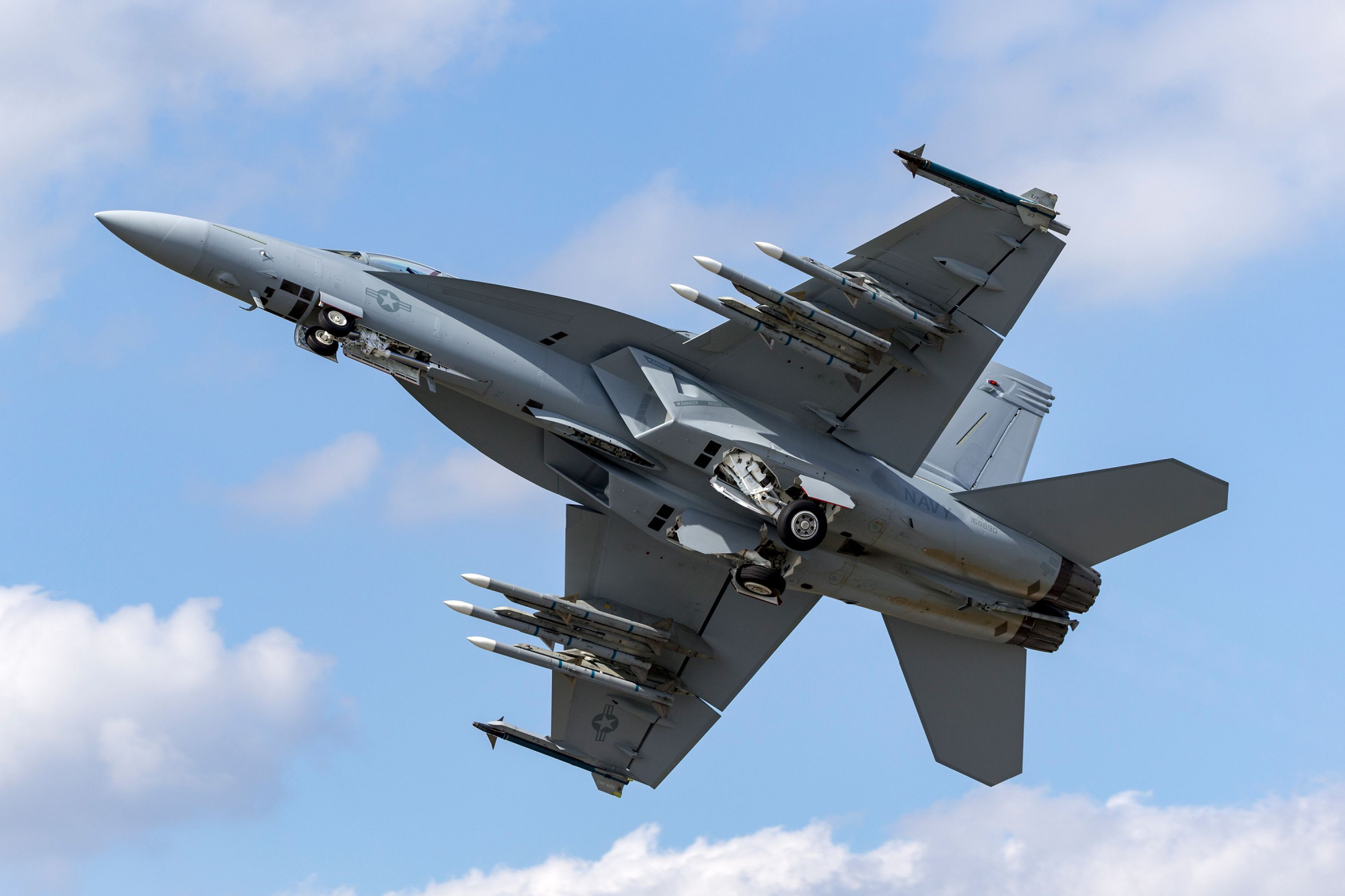
F/A-18 Super Hornet Naval Fighter Was Designed to Land on Aircraft Carriers Under Extreme Impact, Withstand Damage, Operate on One Engine, and Keep the U.S. Navy in Continuous Combat at Sea.
The F/A-18 Super Hornet is a twin-engine naval fighter developed by Boeing for the United States Navy, with the explicit goal of replacing older versions of the F/A-18 and serving as the backbone of modern carrier aviation. The program entered operational service in 2001, following tests that began in the late 1990s. Since then, the aircraft has been operating from Nimitz and Gerald R. Ford Class Nuclear Aircraft Carriers, facing extreme conditions during catapult launches, landings with arresting cables, and continuous exposure to corrosive maritime environments.
The information presented in this content is based on official data from the U.S. Navy, Boeing Defense, Space & Security, and widely disseminated technical reports from military analysis centers such as the Naval Air Systems Command (NAVAIR).
A Fighter Designed to Survive the Most Hostile Environment in Military Aviation
Unlike aircraft designed to operate from conventional runways, the Super Hornet was born with a clear requirement: to withstand the most violent cycle of modern military aviation.
-
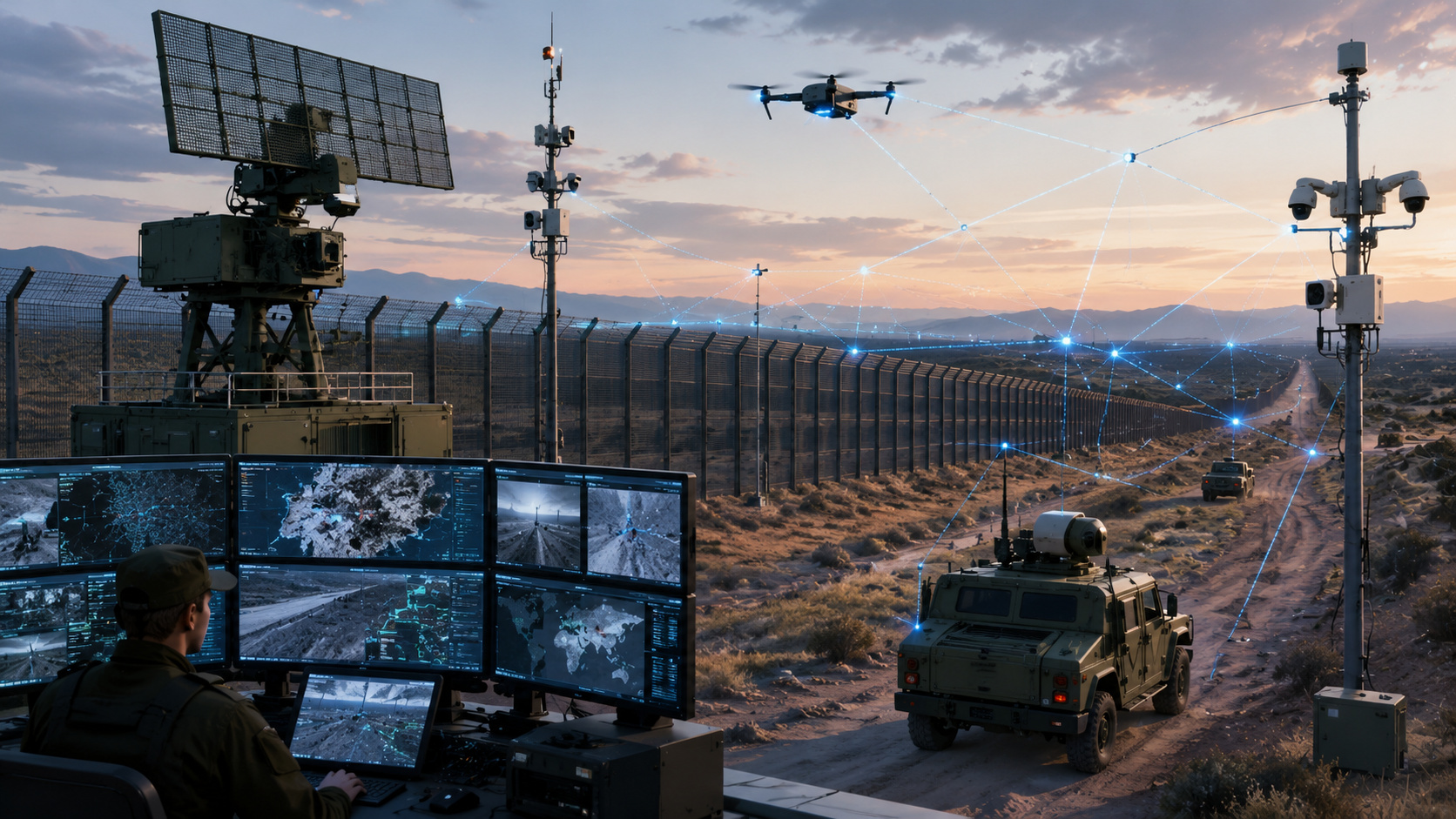
Brazil erects a digital wall along 16,886 km of borders with 10 countries, using sensors, radars, military communications, and the Army’s decision-making system to protect one of the largest land stretches on the planet and showcase the technological strength of national defense.

-
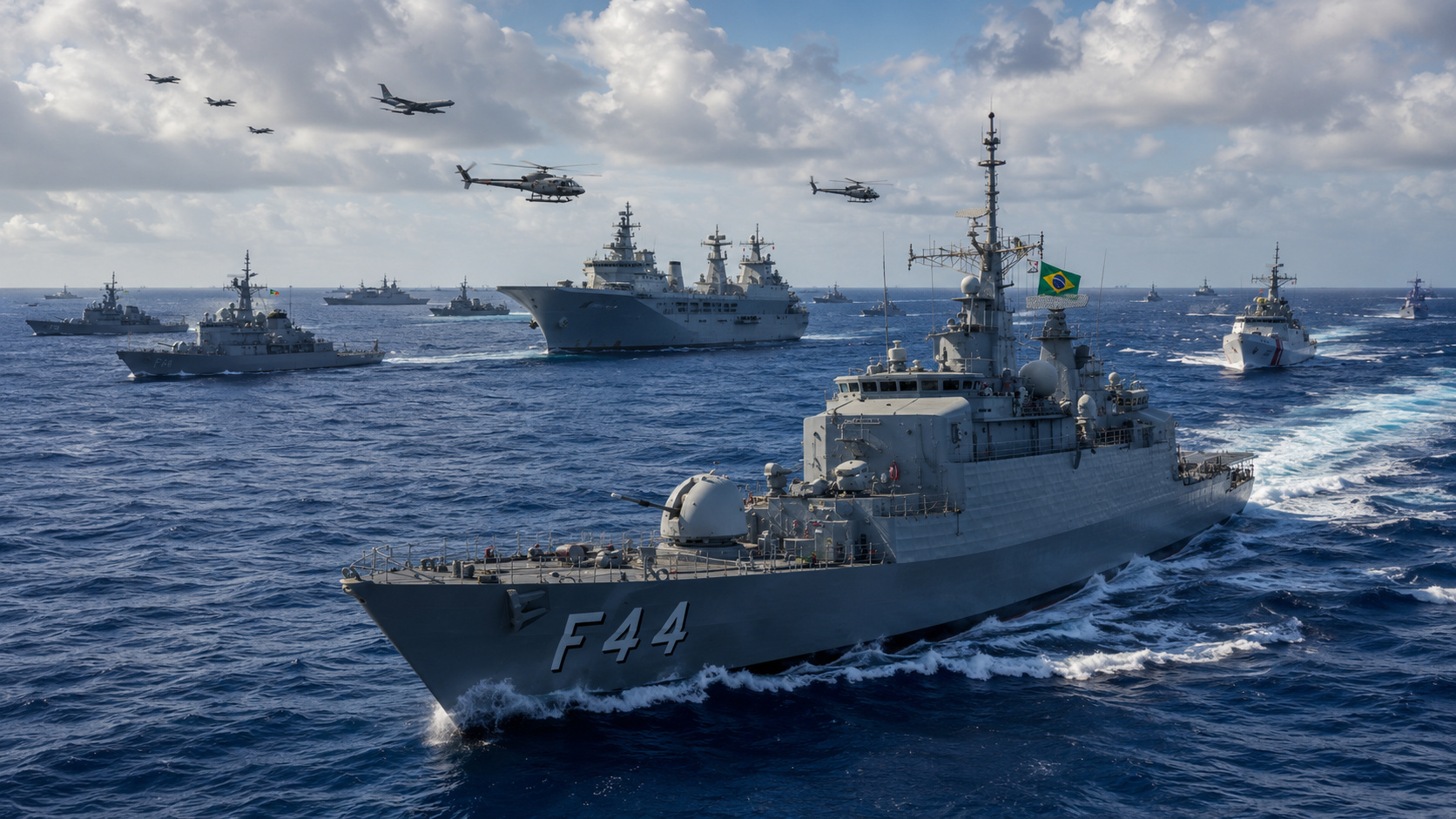
Brazilian warship crosses the North Atlantic on a historic 85-day mission, sailing alongside more than 60 warships, aircraft, and amphibious troops, heading to the largest naval review in U.S. history with over 100 military vessels, and carries the Brazilian Navy flag to the celebrations of the 250th anniversary of American Independence.
-
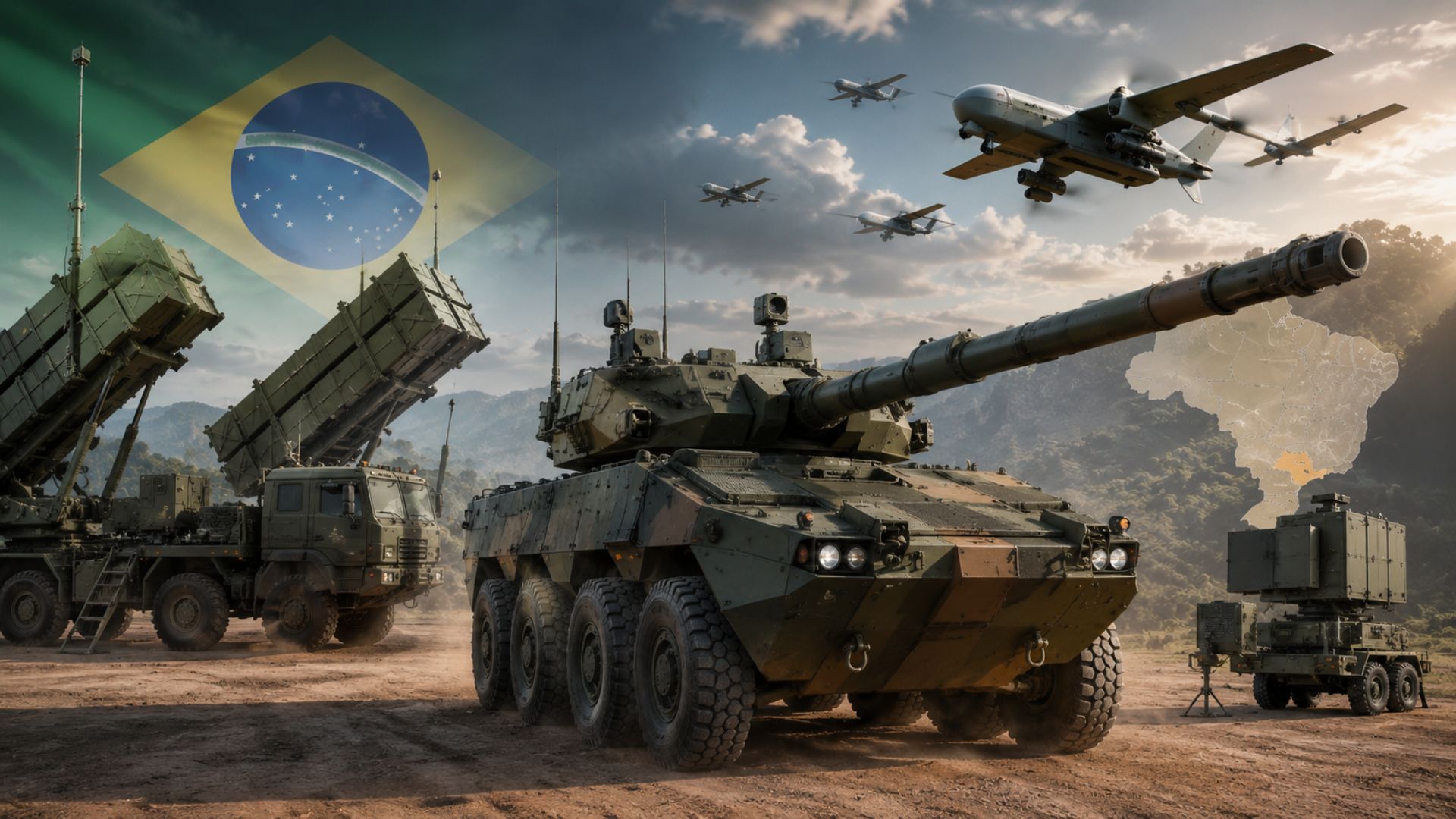
The Brazilian Army is about to finalize one of the largest military purchases in recent years with Italy, consisting of 96 Centauro 2 armored vehicles with 120 mm cannons and three anti-aircraft batteries unprecedented in the country, including armed drones under negotiation.

-
Students drop out of ESA after reports of sergeants driving for Uber, and a silent crisis in the Armed Forces begins to worry candidates in 2026

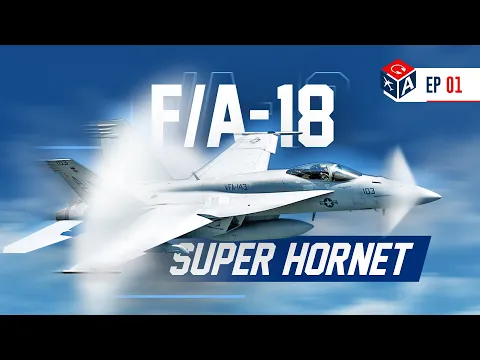

Each landing on an aircraft carrier equates, structurally, to a controlled impact, where the aircraft goes from approach speed to zero in just a few meters, caught by a steel cable.
To handle this, the Super Hornet’s fuselage received specific structural reinforcements, intensive use of high-strength metal alloys, and load redistribution along the aircraft’s body. The structural lifespan was designed for over 6,000 flight hours, even under intense embarked operations.
Two Engines as a Survival Philosophy
One of the design pillars is the choice of two General Electric F414 engines, each capable of generating about 22,000 pounds of thrust with afterburner. This configuration is not just a performance decision but primarily one of survival.
In ocean operations, the failure of a single engine does not mean the immediate loss of the aircraft. The Super Hornet was designed to maintain controlled flight, return to the aircraft carrier, or reach an alternate base even with one inoperative engine, a critical factor in real combat scenarios or accidents.
Total Redundancy of Systems and Flight Control
The aircraft adopts a quadruple digital fly-by-wire system, with multiple independent channels. This means that failures in sensors, actuators, or control computers do not automatically lead to the loss of the aircraft.
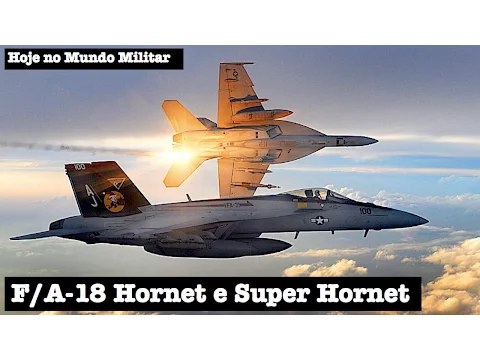
Moreover, hydraulic, electrical, and fuel systems were designed with alternative routes, allowing the fighter to continue operating even after damage caused by shrapnel, impact from projectiles, or severe mechanical failures.
Functional Armor and Pilot Protection
Although not a close air support fighter like the A-10, the Super Hornet incorporates localized protections around the cockpit and critical systems.
The aim is not to make it impenetrable, but to ensure that partial damage does not immediately incapacitate the pilot or flight controls.
This “progressive survival” philosophy is widely adopted by naval aviation, where the priority is not only to win the combat but to return with both the aircraft and the pilot alive.
Embarked Operation: The True Test of Endurance
The environment of an aircraft carrier imposes unique challenges. In addition to landing impacts, the Super Hornet faces:
- Constant exposure to salt spray, highly corrosive
- Intense vibration during catapult launches
- Night operations and rough seas
- Accelerated maintenance cycles in confined spaces
To address this, the fighter received advanced corrosion-resistant treatments, reinforced sealing of compartments, and easy access to panels for quick maintenance, reducing downtime.
Real Multimission Combat Capability
The Super Hornet was not only designed to survive but to perform multiple functions in a single flight. It can execute missions of:
- Aerial Superiority
- Ground Attack
- Suppression of Enemy Defenses
- Aerial Refueling of Other Aircraft
This versatility reduces the need for multiple types of onboard aircraft, streamlining logistics and enhancing the operational efficiency of naval strike groups.
Operational History and Proven Reliability
Since its entry into service, the Super Hornet has participated in real operations in Iraq, Afghanistan, Syria, and in patrol missions in the Indo-Pacific.
Over nearly 30 years, it has built a reputation for low accident rates due to structural failure, especially compared to earlier generation carrier-based aircraft.
The U.S. Navy maintains the model as a central pillar of its aviation until at least the 2030s, including ongoing upgrades.
Continuous Evolution: The Super Hornet Block III
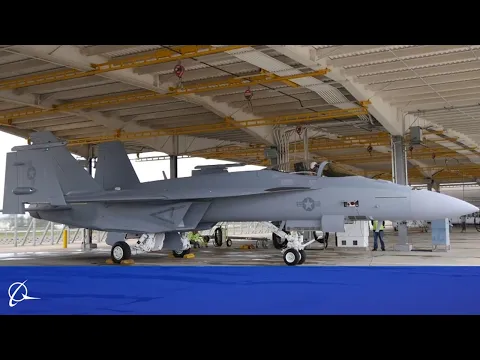
The latest version, known as Block III, introduces improvements focused on survivability in highly contested environments, including:
- Reduced Radar Signature
- Next-Generation Integrated Sensors
- Advanced Panoramic Display Cockpit
- Greater Structural Lifespan
These updates reinforce the idea that the Super Hornet is not a temporary solution, but a long-term platform.
Why the Super Hornet Is Still Relevant
In an era marked by fifth-generation stealth fighters, the F/A-18 Super Hornet remains essential because it was designed for the real world, where failures happen, runways do not exist, and the sea does not forgive mistakes.
It represents an engineering philosophy focused less on theoretical promises and more on proven endurance, redundancy, and safe mission return.


-

-

-

-

-

-

45 people reacted to this.