






 Portuguese
  Spanish
  5 min of reading
  0 comments


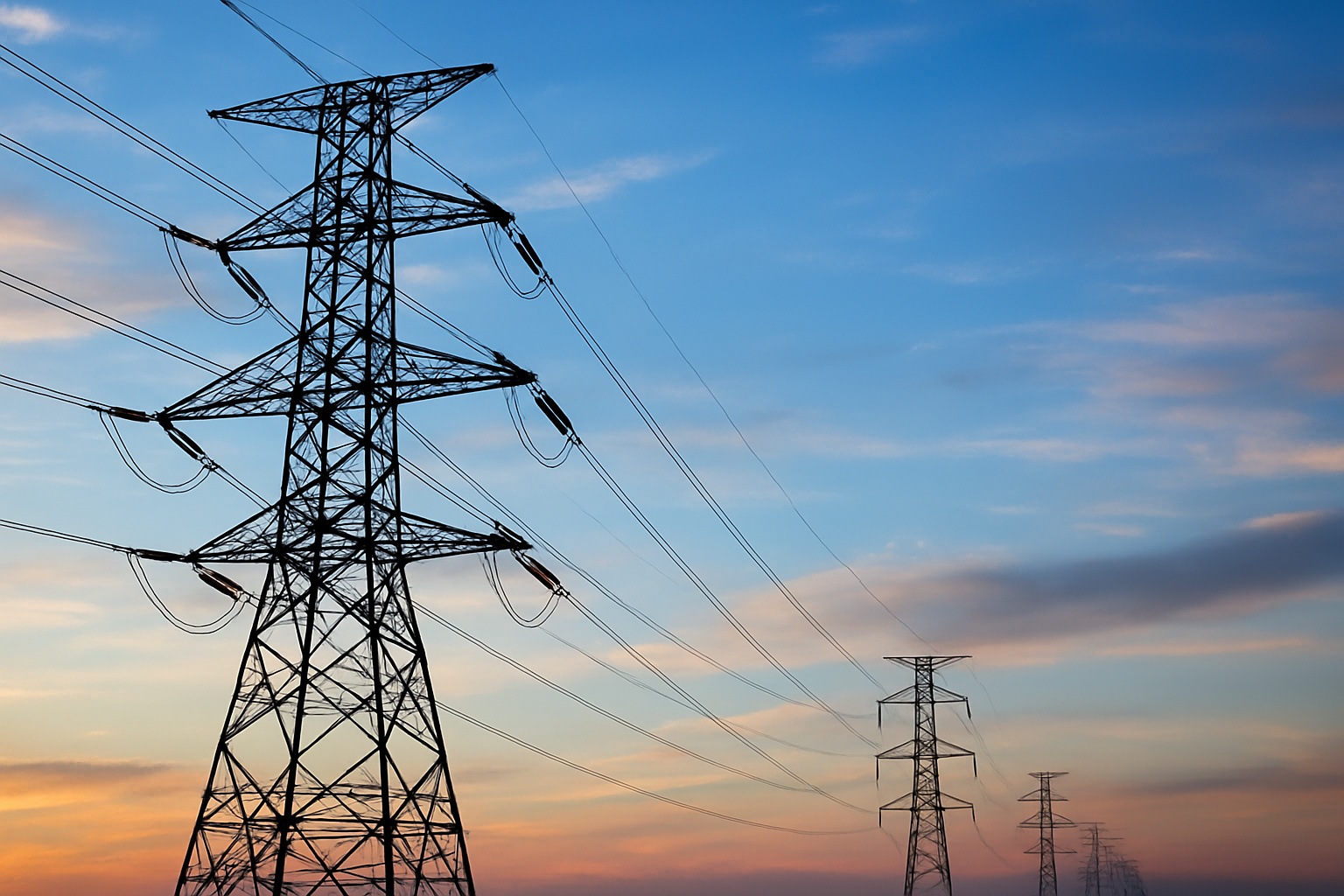
Accelerated Growth of Energy Consumption in Data Centers Raises Global Alert About Sustainability and Grid Stability, According to BloombergNEF
The advancement of digital infrastructure has transformed the way entire societies record data, process information, and conduct economic activities. However, this growth increasingly requires more energy, raising environmental, economic, and regulatory concerns. Therefore, experts discuss solutions that allow for maintaining the pace of innovation without compromising the stability of power grids in the coming years.
As digital services become essential, energy consumption grows continuously. According to the report released by BloombergNEF in December 2025, large data centers are expected to consume 106 gigawatts by 2035. This volume represents almost triple the current demand, estimated at 40 gigawatts. Although these figures only reflect forecasts, they illustrate the speed at which the sector is advancing and how the debate needs to gain priority.
The Evolution of Energy Demand and the New Technological Landscape
The 21st century has ushered in an accelerated digital transformation, driven by cloud computing, streaming, the expansion of social networks, and the advancement of artificial intelligence. As these technologies have become part of the global routine, the demand for energy has grown proportionally. According to the BloombergNEF website, the pace of digital infrastructure expansion creates projections that exceed previous estimates.
-
USP researcher creates thesis to attract international funds for the country’s electric energy sector

-
Trafigura receives authorization from ANEEL to trade electricity in Brazil and expands its operations in the largest energy market in Latin America.
-
Mobile solar panels promised to share space with corn crops, but the 20% to 25% shade reduced production by an average of 7.7% and opened a new dispute between energy and food.
-
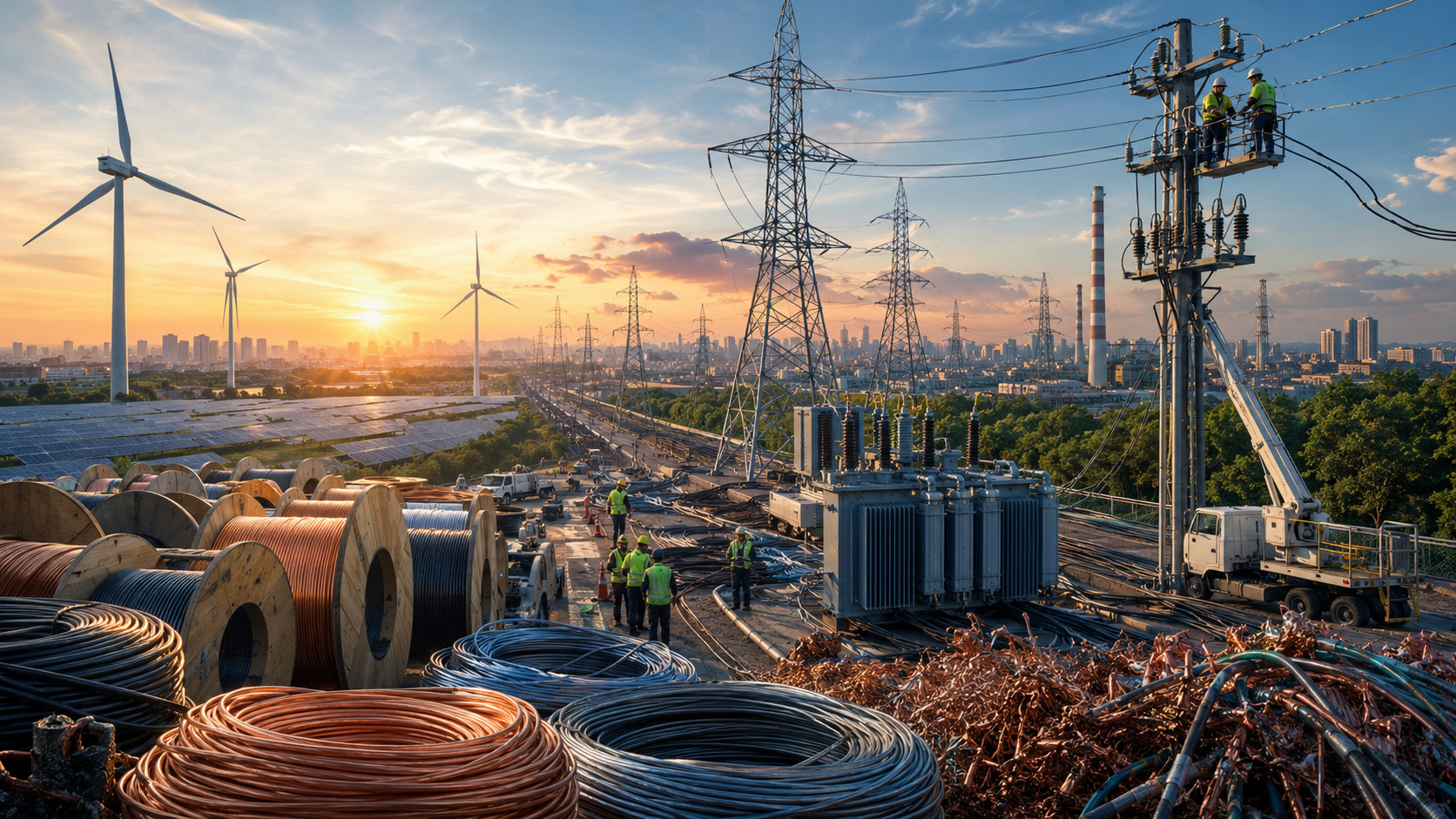
More than 80 million kilometers of wires need to be replaced by 2040: the energy transition doesn’t just depend on panels and electric cars, but on a colossal race for copper, aluminum, transformers, and recycling of old cables.


The energy consumption of data centers already surpasses, in some countries, traditional industrial sectors. Therefore, the debate about their sustainability gains momentum among both governments and companies. In mid-2023, the European Union government indicated that data centers could account for up to 4% of the bloc’s energy consumption by 2030. Although this figure is preliminary, it helps to understand how this movement has intensified.
The Weight of Artificial Intelligence
The popularization of artificial intelligence has further increased energy consumption. Training large-scale models requires high-powered servers, advanced cooling systems, and uninterrupted operating environments. Thus, each innovation increases the need for infrastructure, which consequently increases pressure on power grids.
BloombergNEF highlights that a significant portion of the expected jump by 2035 will come precisely from the demand for AI computing. This trend reinforces the need for alternative sources of energy, in addition to regulatory incentives for energy diversification.
Structural Challenges to Supply Energy Sustainably
Governments, companies, and institutions work to understand how increasing consumption can impact electric distribution. Although data centers bring technological efficiency, they also require long-term planning. According to the International Energy Agency, several countries face difficulties in expanding their generation at the same pace as digitalization.
Additionally, outdated grids are overloaded. In regions where electrical infrastructure is limited, new installations may bring immediate bottlenecks. Therefore, experts advocate for urgent upgrades to avoid risks of instability, such as power outages and spikes in demand outside normal patterns.
The Role of Regulation
With the sector’s growth, regulations emerge to control impacts and create incentives for responsible use of energy. Governments in Europe, Asia, and the Americas discuss measures to limit consumption, require thermal efficiency, and increase adoption of renewable sources. According to the BloombergNEF report, regulatory pressure is expected to rise in the coming years, especially as countries strive to meet climate goals set in international agreements.
The Importance of Energy Diversification
To ensure stability, experts argue that data centers should expand their use of solar, wind, and other clean sources. In addition to helping reduce emissions, this strategy stabilizes costs and avoids excessive dependence on fossil fuels. Countries like Denmark and Sweden are already integrating data centers into national renewable energy policies, which helps balance demand and supply.
Technological Pathways to Reduce Energy Impacts
Although the numbers reveal challenges, various companies invest in innovation to reduce environmental impact. Liquid cooling systems, for example, are already replacing traditional methods in several countries. This change drastically reduces the need for industrial air conditioning, considered one of the largest contributors to excessive energy consumption.
Another trend involves reusing the heat generated by servers. In some cities in Europe, this heat powers residential heating networks, turning a byproduct into a useful source. BloombergNEF cites initiatives that use thermal energy from data centers to supply schools and public buildings.
Distributed Computing and Smart Efficiency
The adoption of distributed networks, which process data in smaller facilities closer to the user, also reduces demand on giant units. As a result, the need for long distances to transmit information decreases, making operation more efficient. Additionally, technology companies invest in software that optimizes server usage by scheduling operations during off-peak times for the power grid.
Building a Global Vision of Energy and Technology
As the world moves toward an even more connected future, the relationship between digital infrastructure and sustainability is likely to deepen. This debate gains relevance because each technological step depends on a robust energy system capable of supporting new trends.
Although there is no one-size-fits-all solution, experts agree that public policies, scientific research, and private investments need to work together. According to the BloombergNEF website, the energy sector may face increasingly greater pressures if planning does not keep pace with the speed of digital growth.
The integration of technological innovation and energy transition will be essential to ensure that growing consumption does not compromise environmental balance. Thus, companies and governments emphasize that the coming years will require quick and efficient decisions to keep the system functioning without risks.
The Role of Society in the Energy Transition
Public awareness also influences the direction of this transformation. As consumers seek more sustainable services, companies in the digital sector begin to invest in less impactful operations. This shift generates a chain of positive pressures that encourages more balanced practices.
While scientists and regulatory bodies analyze trends, society gradually adapts to the new reality. The final outcome depends on global cooperation, continuous planning, and commitment to environmental preservation goals.
In summary, although the growth of energy consumption in data centers presents challenges, it also opens up space for innovative technological solutions. Thus, the digital future can develop sustainably, provided that energy infrastructure receives attention, investment, and preventive policies.






Be the first to react!