





 Portuguese
  English
  Spanish
  4 min of reading
  1 comment





The Historic Bitcoin Crash Led to Price Drops, Triggered Liquidations Estimated at 18 Billion Dollars, and Exposed the Fragility of Leveraged Positions, With Millions of Investors Affected and a Definitive Warning About Risk, Leverage, and Portfolio Management in Crypto
The historic Bitcoin crash was not just another violent market fluctuation. In a matter of hours, leveraged positions were wiped out, exchanges executed automatic orders, and liquidations totaled around 18 billion dollars, in what participants described as the largest wave of margin calls in the crypto ecosystem.
According to a report from Economista Sincero, the focus of the movement was on millions of investors exposed to derivatives and leverage, amplifying the initial drop and triggering a domino effect. When the price drops sharply, leverage accelerates losses and activates cascading liquidations, increasing selling pressure and deepening the downturn.
The Trigger of the Drop and the Role of Sentiment
The drop gained traction in an environment of macro nervousness and risk aversion, where external news and uncertainties contaminated higher volatility assets. In short windows, flow speaks louder than fundamentals, and protective moves take precedence.
-
Supermarket giant buys 12 stores, Distribution Center, and two chains and accelerates expansion

-
There are only four days left until the Income Tax deadline, and the Federal Revenue Service is still awaiting over 13 million returns. Those who miss the 11:59 PM deadline on May 29 will incur a minimum fine of R$ 165.74 with no discount.

-
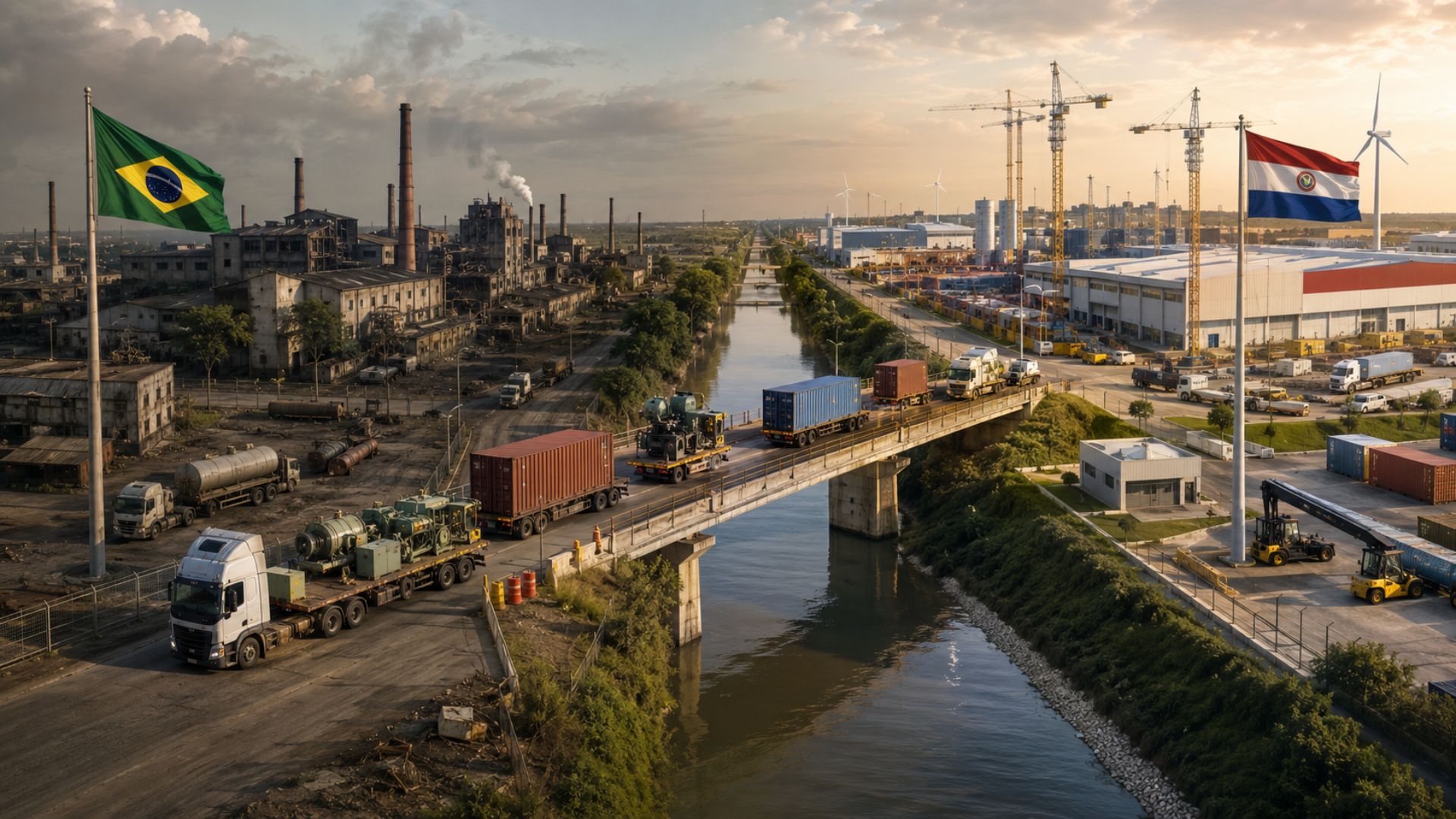
More than 220 Brazilian industries have already fled towards Paraguay and no one seems to be paying attention. The small neighbor is growing three times faster than Brazil and attracting billions in foreign investments while the South American giant remains stagnant.
-
Government prepares billion-dollar discount on electricity bills: Aneel will return R$ 5.5 billion to consumers in the North, Northeast, Mato Grosso, Minas Gerais, and Espírito Santo in the form of reduced energy tariffs.




In this scenario, the crypto market is especially sensitive to short-term shocks. The risk perception changes quickly, investors rush to cash, and stop orders and liquidations follow in sequence, transforming a sharp pullback into a historic Bitcoin crash.
The mechanics are simple. With leverage of 10, 20, or 100 times, small price variations turn into huge losses, hitting the margin and triggering automatic liquidation. Each liquidation forces an additional sale, pushing the price even lower.
This feedback effect is well-known in futures markets. The more leveraged participants, the greater the chance of a cascade, and this is what marked the historic Bitcoin crash. The natural volatility of the asset does not forgive positions without margin buffer.
The Largest Liquidation in History and the Impact on Exchanges
The episode is recorded as the largest liquidation ever observed in the crypto universe, with around 18 billion dollars in positions closed and a significant number of affected investors. The operational stress on platforms increased, with volume spikes and reports of intense execution.
For part of the audience, the shock was total. Those who were long with little margin saw their positions vanish, while spot portfolios felt the fluctuation, but without the risk of automatic zeroing. The difference between investing and trading with leverage became clearly illustrated.
After the initial panic, there were moments of recovery. Sharp oscillations are typical in the crypto market, which alternates between euphoria and stress in a matter of days. Still, the aftermath of the historic Bitcoin crash remains a lesson.
For those thinking long term, diversification of custodians, risk control, and discipline are non-negotiable. Do not concentrate everything in a single service, keep a significant portion without leverage, and avoid impulsive decisions on stressful days make a difference.
What This Crash Reveals About the Crypto Market
The episode exposed two points. First, the dependence on short-term liquidity, which can evaporate in minutes. Second, the structural vulnerability of leveraged positions, which turn a sharp decline into a systemic event within exchanges.
Even so, the structural interest in crypto remains alive. Volatility does not negate the long-term thesis, but it requires more robust management. Risk does not disappear; it is managed.
Practice shows some paths. Avoid leverage when conviction is based on narratives rather than on risk strategy. Set loss limits per trade and per day, so as not to fall into the cycle of compulsive re-entry. Work with cash to withstand fluctuations without being forced to sell at the worst moment.
On the operational side, distribute custody among different solutions and keep systems updated. On stressful days, less is more. Haste is often the enemy of good execution, and poorly calibrated orders in hyper-volatile windows can amplify losses.
Questions That Investors Need to Answer
Before trading again, it’s worthwhile to face a checklist. What is the goal of the capital in crypto? How much loss am I willing to accept in a day without compromising my strategy? Do I trade spot or assume leverage with real margin buffer? If the market falls further, do I have a plan to maintain the position without liquidation?
Answering these questions reduces the chance of being caught off guard in the next round of volatility. A clear strategy and disciplined execution matter more than trying to guess the next price movement.
The historic Bitcoin crash was a harsh reminder of how leverage and tight liquidity can turn a sharp pullback into waves of record liquidations. Those who survived learned about margin, custody, and discipline, and those who were not leveraged felt the jolt but remained in the game.
Do you agree with this change? Do you think this impacts the market? Share your opinion in the comments — we want to hear from those who experience this firsthand.







certainly like your website but you need to take a look at the spelling on quite a few of your posts Many of them are rife with spelling problems and I find it very troublesome to inform the reality nevertheless I will definitely come back again