Portuguese
  Spanish


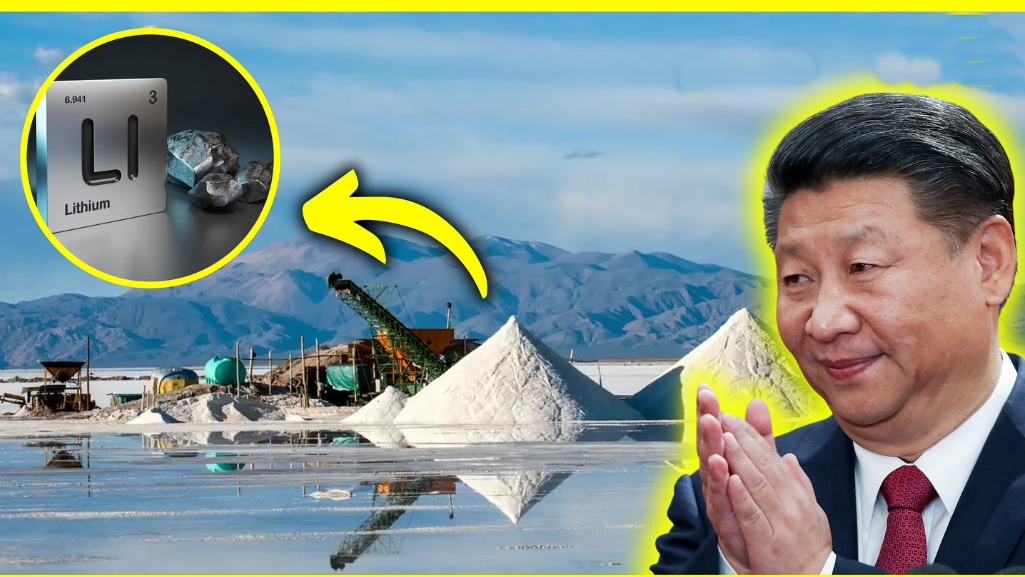

A massive lithium reserve was discovered in Tibet, and experts say it could drastically reduce the cost of batteries for Chinese electric vehicles. The news has the potential to transform the sector and reinforce China’s leadership in the sustainable automotive market.
A recent discovery in Tibet could transform the global lithium market. It is estimated that the deposit found in the region contains about 30 million tons of the mineral, potentially reducing the cost of electric vehicle batteries.
This places China in second place in the global ranking of reserves, behind only Chile.
The news comes at a strategic moment, as the demand for electric vehicles and clean energy systems is rapidly growing. Lithium is a key component in this transition.
-
2027 Toyota Corolla Cross Unveiled: New Design, Enhanced Fuel Efficiency, Reduced Maintenance Costs, Advanced Technology, Connected Services, and Up to 10-Year Warranty

-
Fiat Cronos Precision 2018: Affordable Sedan with Spacious Trunk and Reliable Maintenance
-
Volkswagen to Cut Production by 1 Million Cars by 2030, Reducing Jobs and Platforms, Focusing on More Profitable Models

-
Toyota Launches First 100% Electric Car in Brazil: bZ4X with 343 HP, All-Wheel Drive, 361 km Range, Priced at $419,990 BRL, Limited to 99 Units




The Lithium Triangle and the New Protagonists
So far, most known lithium reserves have been concentrated in the so-called Lithium Triangle, formed by Bolivia, Argentina, and Chile.
These regions are home to salt flats such as Uyuni, Hombre Muerto, and Atacama — all famous for their large deposits.
Australia, in turn, leads in mineral extraction. The United States also has significant reserves, especially in the state of Nevada.
In recent years, China has been standing out by exploring its own deposits and strengthening its production chain. But the new find in Tibet elevates the country to a new level.
The Discovery That Changes Everything
With the new reserve, China’s share of global lithium stocks jumps from 6% to 16.5%. This advancement has a direct impact on the battery industry and the electric vehicle market.
The estimated economic value of the deposit could reach 650 billion dollars. Furthermore, the discovery could attract new investments, create jobs, and reinforce China’s role in green technology.
Another important point is the effect on prices. Local production is likely to reduce battery costs. This could help make electric cars cheaper and more accessible, accelerating the energy transition worldwide.
Price Reduction and Global Impact
In the last ten years, the price of lithium-ion batteries has fallen by 73%. With the new Chinese deposit, this trend could intensify. The more lithium in the market, the greater the supply, and thus, lower the cost.
This represents good news for consumers and companies. Electric mobility could become more competitive. And energy storage solutions should also benefit.
For China, it’s an opportunity to reduce its dependence on imports and ensure greater technological autonomy. In times of trade tensions and geopolitical disputes, this is an important asset.
The Environmental Challenge in Tibet
Despite the economic and technological benefits, the exploitation of the deposit raises environmental concerns. Tibet is a fragile region, with sensitive ecosystems.
Experts warn that strict measures will need to be adopted to prevent irreversible damage. Lithium extraction, if not conducted carefully, could impact local water resources, fauna, and flora.
Sustainable management of the new deposit will, therefore, be essential. The challenge will be to balance technological advancement with environmental preservation.
The Chinese advance in the lithium sector reconfigures the global landscape. But how the country addresses the environmental impacts will determine the real value of this historic discovery.