Portuguese
  Spanish


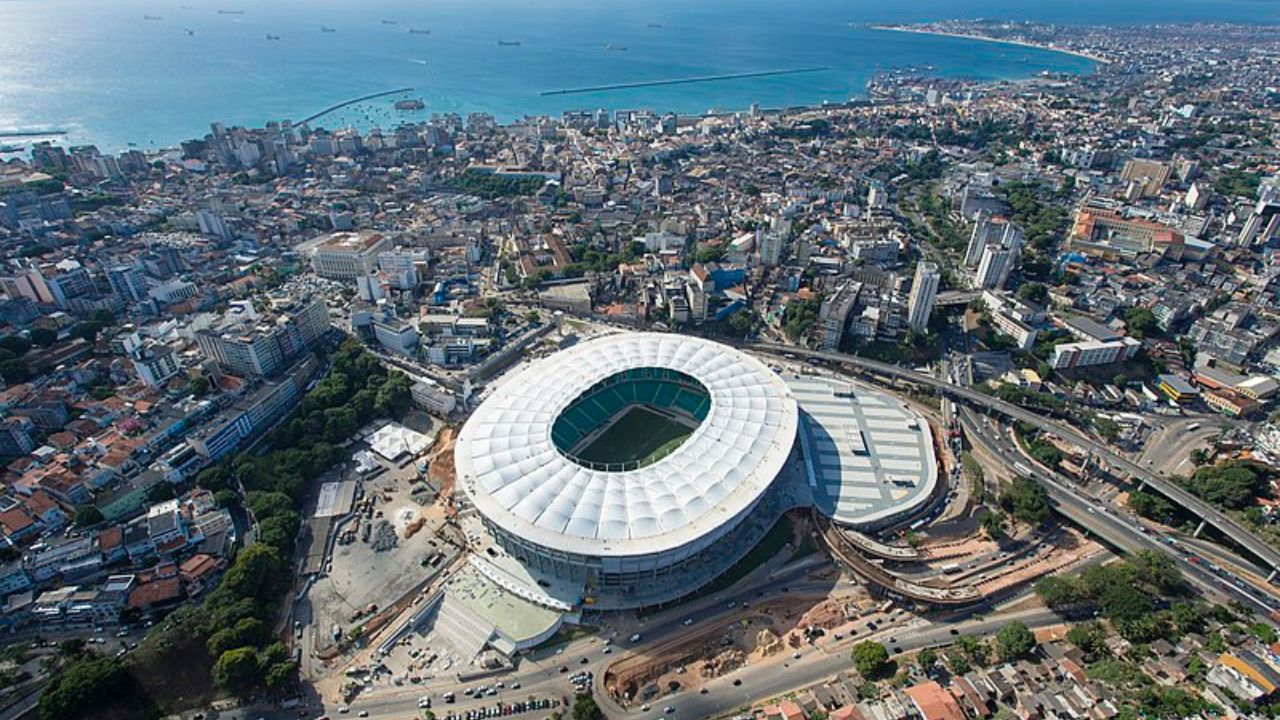

With 360 Wind Farms in Operation, Bahia Consolidates as the Main Hub for Wind Energy Generation in the Country, with the Power to Supply Over 4.5 Million Homes.
The expansion of wind energy in Brazil has a clear epicenter: the Northeast Region. Leading this transformation, one state stands out as the largest energy producer in the country. Although competition is fierce, consolidated data shows that Bahia has taken the lead, producing a volume of clean energy capable of lighting millions of homes and strengthening national energy security.
The Largest Wind Energy Producer
The leadership in wind energy production in Brazil is a dynamic competition, mainly fought between Bahia (BA) and Rio Grande do Norte (RN). The most decisive metric for this definition is not the installed potential, but the energy that is actually generated and delivered to the system.
From this perspective, the data from 2024 confirms Bahia as the national leader. The state produced a total of 35.59 TWh (terawatt-hours) over the year. This volume exceeded that of Rio Grande do Norte, which generated 29.47 TWh during the same period.
-
Former Atacadão Employee Turns Online Cake-Baking Lessons into a Confectionery Brand with Factory, Store, Delivery, and Nearly $400,000 in Revenue

-
Brazilian Startup Sells Nearly 9 Million Surprise Bags of Near-Expiry Food, Prevents Thousands of Tons of Waste, Aiming for $42 Million Revenue by 2026
-
How to Prevent Brown Recluse Spider Bites: Common Hiding Spots and Free Tips to Reduce Risks

-
Natto: The Unusual Japanese Superfood Gaining Popularity on Social Media and Driving Record Exports




The leadership of Bahia reflects its robust infrastructure and expansion capacity. In 2024, Bahia had 360 wind farms and 3,529 wind turbines in operation, numbers superior to those of Rio Grande do Norte, which had 308 farms and 3,446 turbines.
How Many Homes Does Bahia’s Wind Energy Supply?
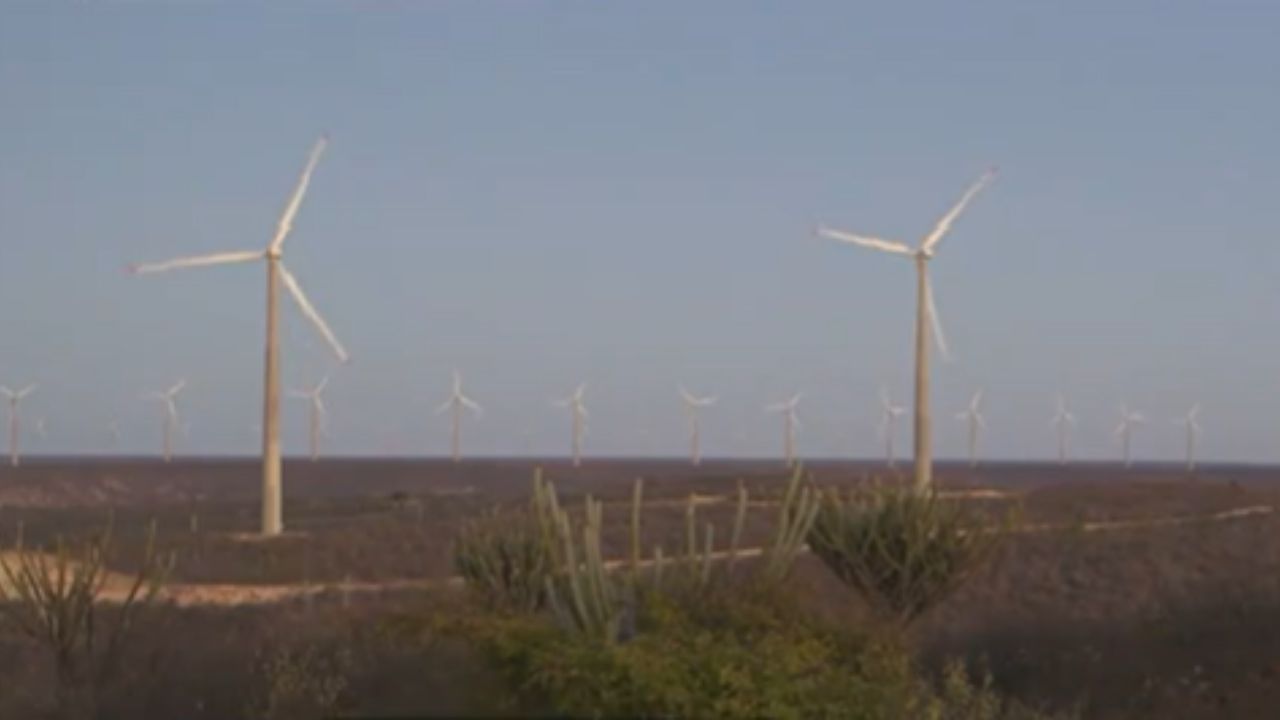
The massive production of wind energy in Bahia translates into a direct impact on the lives of Brazilians. To understand this dimension, a precise calculation can be made about its supply capacity.
Based on the total generation of 35.59 TWh in 2024 and the average annual consumption of households in Brazil, the energy produced by the winds of Bahia has the capacity to supply approximately between 4.5 and 4.7 million Brazilian homes for a whole year. This number demonstrates the relevance of the state’s contribution to the country’s energy matrix.
The Three Giants of National Wind Energy
The strength of wind energy in Brazil is concentrated in the Northeast. In addition to Bahia and Rio Grande do Norte, Piauí has consolidated itself in third place, forming a dominant trio. Together, these three states account for the vast majority of national production.
In 2024, Piauí’s production reached 14.93 TWh. The regional hegemony is so great that the Northeast is responsible for an impressive 92.2% of all wind energy generated in Brazil.
Why Does the Northeast Have the Best Winds for Energy?


The northeastern dominance is not by chance. The region has a unique combination of natural factors that make it one of the best in the world for wind generation. The main asset is its winds, notable for their consistency, stability, and blowing in a single direction.
This predictability enhances the efficiency of the wind turbines. Furthermore, winds are stronger in the second half of the year, a period that coincides with the dry season, when the reservoirs of hydroelectric plants are lower. Thus, wind energy reaches its peak production precisely when the electrical system needs it most, ensuring stability for all of Brazil.
The Metric That Confirms Northeastern Efficiency
The superiority of the Northeast winds is measured by a key technical indicator: the capacity factor. It compares the energy that a plant actually generates with its theoretical maximum capacity. In Brazil, driven by the Northeast, this index exceeds 50% during the “wind harvest,” while the world average is around 35%.
This extremely high productivity means that each megawatt installed in the Northeast generates more energy than in almost any other place on the planet. This makes wind energy in the region not only a clean source, but also an exceptionally efficient and strategic investment for Brazil’s future.