






 Portuguese
  Spanish


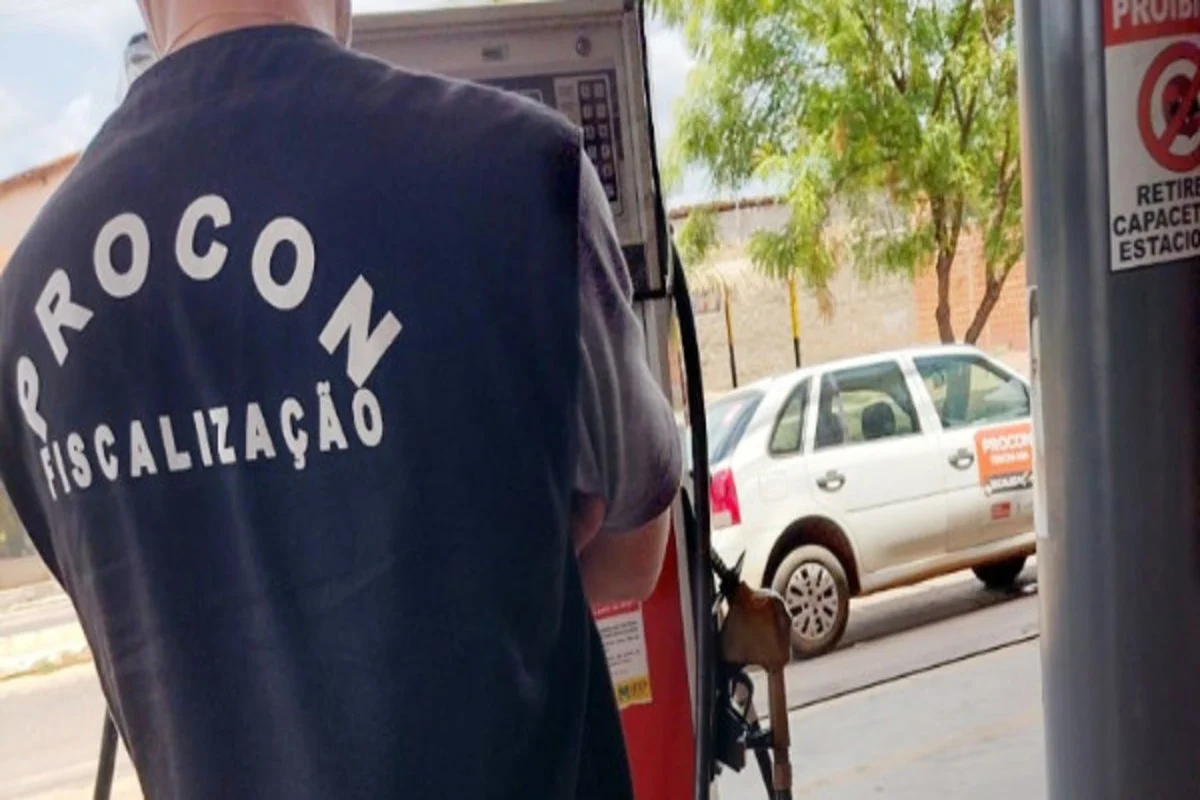

The Minister of Justice and Public Security, Flávio Dino, has just launched a bombshell in the fuel sector. He declared that Senacon granted five days for the Procon of each state to check for abusive practices related to fuel prices.
Flávio Dino stated that “we have boundaries for what these fluctuations are reasonable or abusive.” However, he also compared cartelization with discrepancies in fuel prices. The minister also mentioned state, municipal, and civil society entities to discuss Procon.
The government announced on Tuesday (28) a new tax schedule for gasoline and ethanol, with the start of validity being yesterday, Wednesday (1st). The tax rate for PIS/Cofins will be raised to R $0.47 per liter of gasoline and R $0.02 per liter of ethanol – lower than the charges adopted before the reduction, but still an extra burden for the consumer.
The decision aims to align three sustainability principles promoted by the Lula government: environmental (placing a higher burden on fossil fuel), social (trying to reduce the impact of prices on consumers), and economic (preserving revenue). The increase in federal taxes was justified by the difference in treatment between private cars and public transport, which uses diesel still exempt until the end of the year.
-
At 14 years old, she worked in a factory in Hong Kong, studied economics abroad, and then entered the Chinese real estate market, which helped change the landscape of Beijing.

-
While NATO secured more than $10 billion in missiles and space surveillance at a single forum, Brazil still spends 1.1% of its GDP on defense and is stalling its own anti-aircraft system.

-
Corn ethanol attracts R$ 23 billion in 21 new plants and prepares for a nearly 50% jump in Brazilian production by 2027, even with high interest rates.
-
A newly opened terminal in the middle of the Amazon has begun transporting soy and corn through Amapá, eyeing the queue of ships that is congesting the ports in the South.


To compensate for the reduction in revenue, Fernando Haddad announced a month ago that the export of oil would also be taxed at 9.2%. The new rates will be in effect for four months. In July, if there are no changes in Congress, the full charges previously planned will be resumed.
The re- taxation of fuels is a controversial measure for those who advocate for lower taxes in the country. Therefore, according to financial experts, it may be necessary to change Petrobras’s fuel price policy (PPI) to minimize the impact on Brazilian wallets – a theme defended by Lula during the electoral campaign.
Petrobras Studies Adopting National Price, With Only 15% of International Reference
Petrobras announced a record profit of R $188 billion in 2022. In a teleconference with financial market analysts, President Jean Paul Prates criticized the current fuel price policy of the oil company, as it was operating with a very low refining capacity, which could be due to government interference.
It was also reported by GLOBO that the new Petrobras administration is studying to end the Import Parity Price (PPI), adopted by the company since 2016. Because of this, only 15% of the calculation would be linked to the quotes of oil and dollar, while 85% of the formula would be based on national oil production costs. The discussed proposal underwent minor variations in the case of diesel and gasoline since the volume of imports is different.
Prates stated that it is not Petrobras who will make fuel price decisions in Brazil and that there will be an open dialogue with investors so that decisions are made through the Board and the executive directorate. He emphasized that the company will not sell its assets based on government decisions.








