






 Portuguese
  Spanish



Mohammed Al-Jadaan, Minister of Finance of Saudi Arabia, said that the country is willing to discuss the marketing of oil in other currencies that are not necessarily the US dollar.
This decision was made and stated in an interview given to Bloomberg TV, which covers the World Economic Forum in Davos and is considered one of the biggest gestures to China, a country with which the Saudi government intends to deepen relations further. Chinese President Xi Jinping, just under two months ago, made an official visit to Riyadh, the capital of the Arab country, under the auspices of closer ties between the largest and smallest exporter and importer of oil.
With this opportunity, the heads of state made an announcement about joint investments in the petrochemical sector and greater collaboration among other cleaner energy sources such as hydrogen, wind, and solar. Since the announcement of the end of the last measures that characterized the ‘Zero Covid’ policy, China has been trying to regain attention in the economic news. The outlook for the recovery of Chinese fuel consumption is in response to the oil markets rally in January.
Futures contracts for oil have increased by 6% since January 3 of this year, bringing the Brent crude barrel back to the mark of US$ 84; crude oil hovers around US$ 80.
-
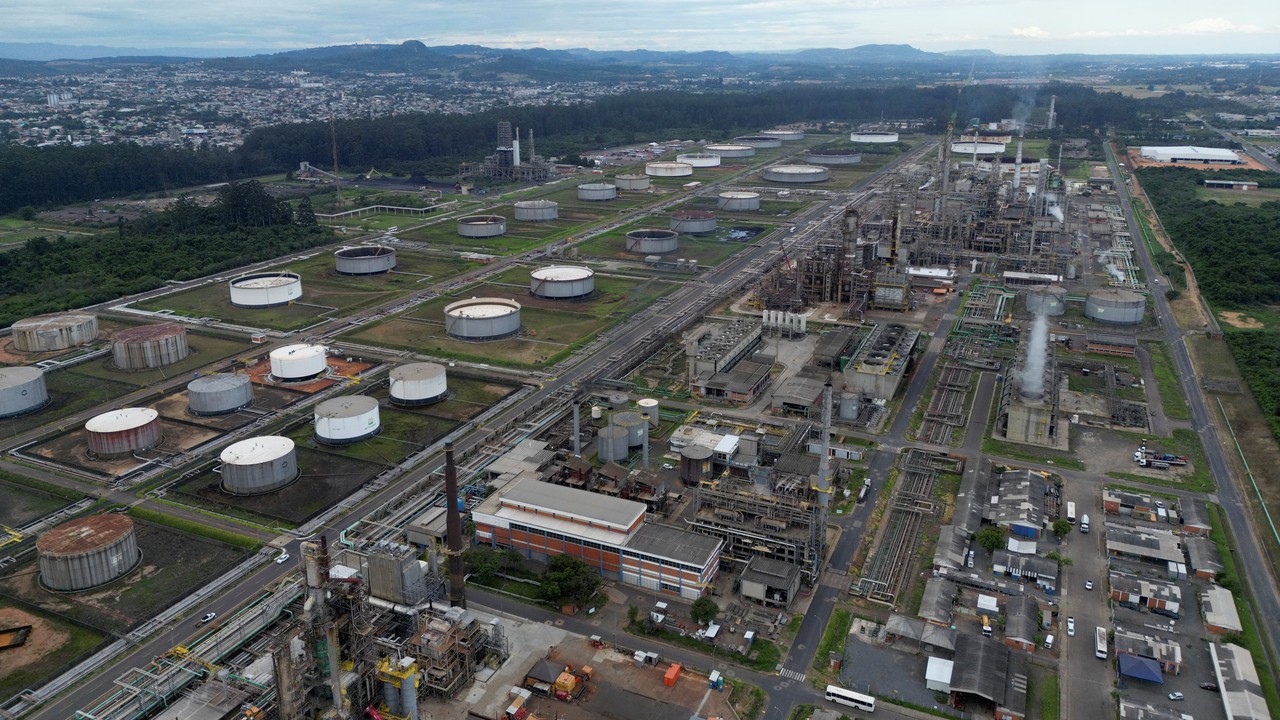
With a record production of nearly 3 million barrels per day, Petrobras resumes importing diesel in July, highlighting the bottleneck in Brazilian refining.

-
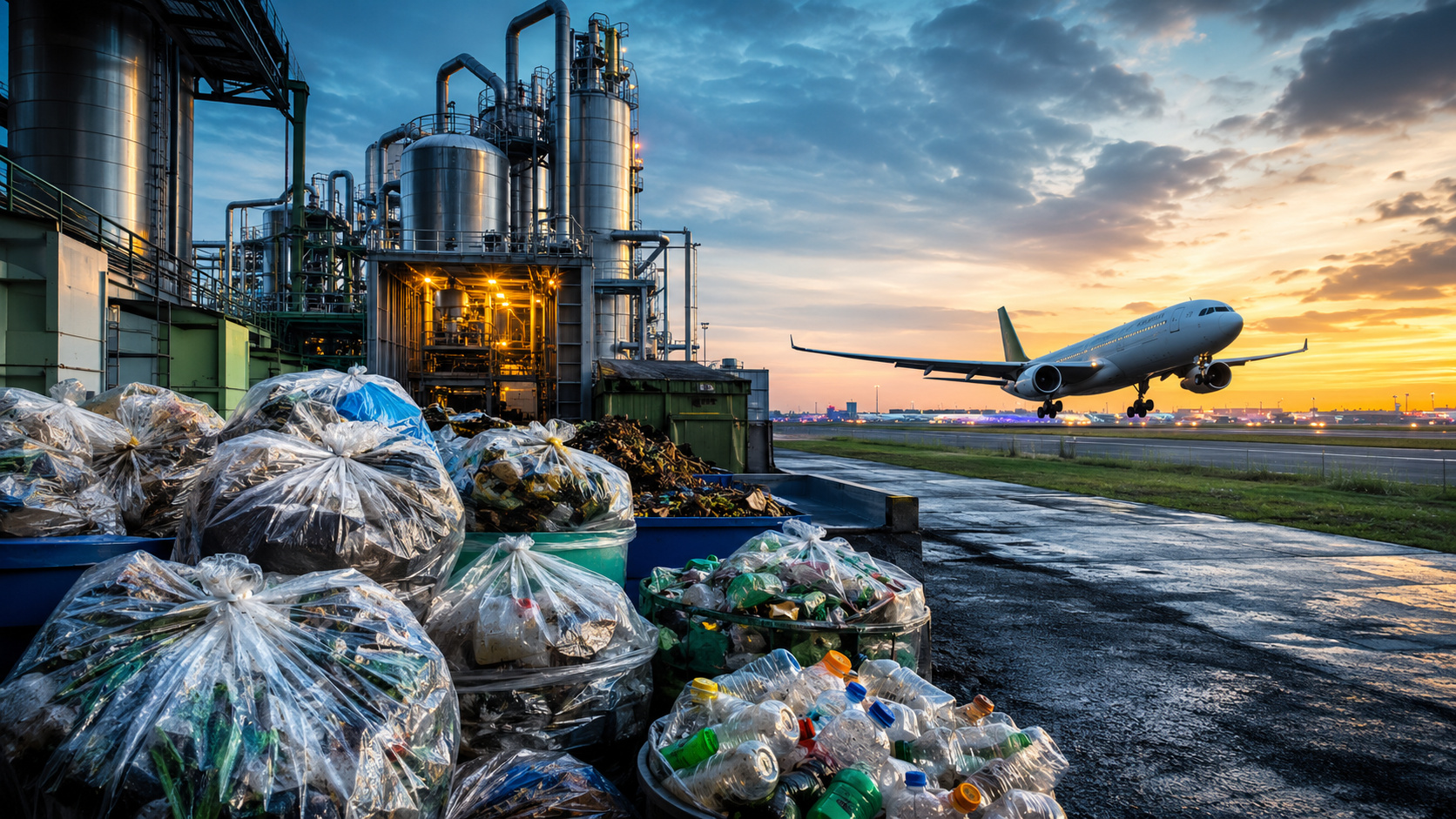
Qantas and Airbus Invest in Company Aiming to Convert Unsorted Household Trash into Jet Fuel

-
Brazil’s ANP Opens 86 New Oil Blocks in the Equatorial Margin, Expanding the Amazon River Mouth Frontier

-
OPEC+ Boosts Oil Supply by 188,000 Barrels per Day in July 2026, Leading to Price Drop from $112 to $89 per Barrel in Under Two Months

Diplomatic Oil Between the US and the Arabs
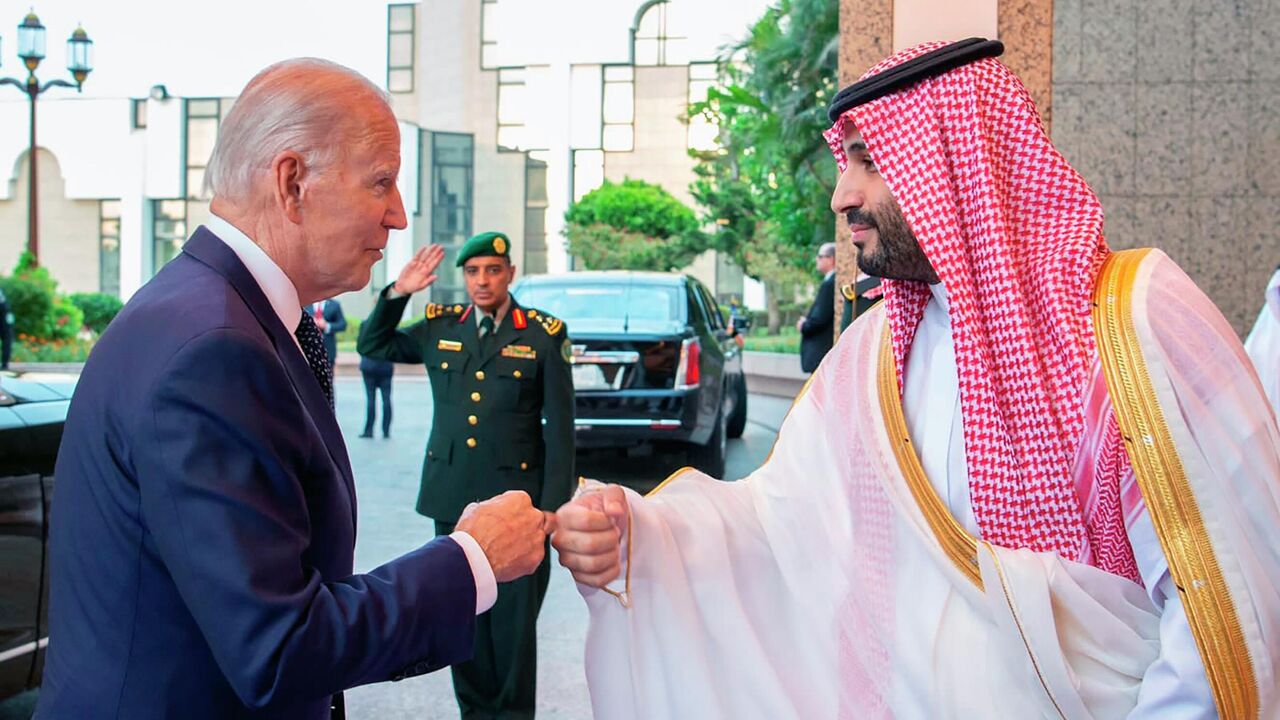
Relations between Americans and Saudis are completely opposed to the relations established by the Chinese and the Arabs. The Biden administration still has some disagreements that date back to his presidential campaign in 2020. In one of the televised debates that Joe Biden participated in, he said he would make Saudi Arabia a “pariah state” by promising consequences for the assassination of journalist Jamal Khashoggi.
All of Biden’s rhetoric imposed geopolitical costs on the US right after the outbreak of the war with Ukraine, when the president felt obliged to ask the Saudis to increase oil production in an effort to alleviate fuel inflation in his country. The response was a resounding no.
A little more recently, the Biden Administration has again made indirect criticisms of Saudi Arabia, qualifying the latest OPEC+ decisions – a cartel led by the largest oil exporter, in practice – as “short-term” and even “misguided.”
As a result, a group of producers decided, since mid-October of last year, to maintain a cut in production of more than 2 million barrels per day.
Petrodollar at Stake?
The finance minister in Davos, in a statement, suggested that other currencies could also be used for the purchase and sale of oil contracts, again raising doubts about how much longer the supremacy of the US currency as the backbone of international commodity trade would last.
Being a “relative” of the ‘petrodollar’, its adoption of the North American currency by the main oil producers in the years following the First Oil Crisis (1973) allowed them to further increase the liquidity of their collaborators in the international market, creating a growth boom in the economy. As a consequence, the dollar also strengthened its geopolitical influence of the United States over producing countries.









