






 Portuguese
  Spanish
  4 min of reading
  0 comments


Community Speaking the Fá d’Ambô Language Sees Brazil as the Only Hope Against Cultural and Political Erasure.
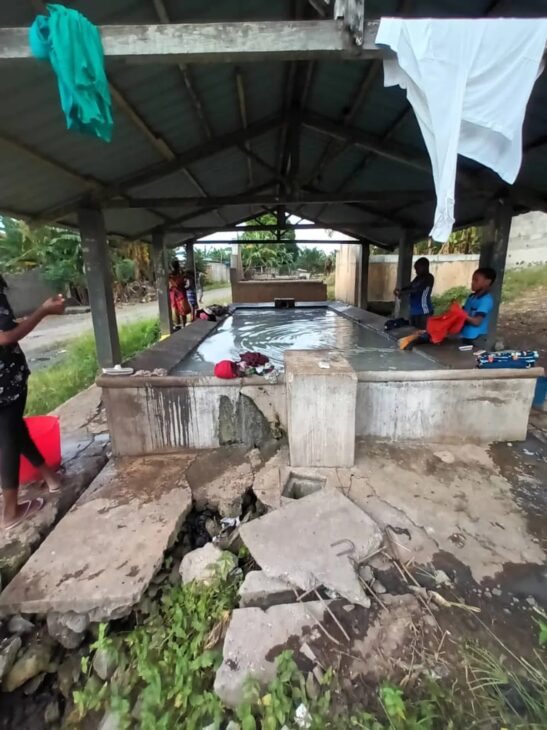
The island of Ano Bom, also called Annobón, is a small territory of just 17 km², located south of São Tomé and Príncipe, in the Gulf of Guinea. With a few thousand inhabitants, the island is marked by volcanic beaches, artisanal fishing, and subsistence farming. Therefore, its population preserves the creole language Fá d’Ambô and archaic Catholic traditions, making it a unique space of cultural resistance in the Atlantic.
A Trajectory of Centuries to Equatorial Guinea
Firstly, the island was discovered by Portugal between 1473 and 1501. Then, in 1778, it passed to Spain through the Treaty of El Pardo. Subsequently, in 1968, during the process of independence of Equatorial Guinea, it was incorporated into the new country, even against the will of its population. Thus, the distinct linguistic and cultural identity kept the community isolated, according to historians and linguists.
Language and Faith as Resistance
Despite this, the inhabitants have preserved Fá d’Ambô, a Portuguese-based creole that has survived over the centuries. Furthermore, researchers like Hagemeijer and Zamora (2016) point out similarities with creoles from São Tomé and Príncipe, reinforcing historical ties. Likewise, the local Catholic faith, preserved since the colonial period, retains archaic characteristics, quite different from more recent African practices. Therefore, language and religion have become tools for identity preservation.
-
Survivor of 1966 SS Daniel J. Morrell Shipwreck in Lake Huron Recounts 38-Hour Ordeal in Extreme Cold

-
The Greatest Hoax in World Cup History? The Film That Denied Brazil’s 1958 Victory and Exposed How Fake Evidence Can Seem Convincing on TV
-
Fake South Korean Online Stores Offer Shopping Thrill Without Spending Money or Receiving Products
-
The War of Jenkins’ Ear: How a Severed Ear Sparked One of the 18th Century’s Most Unusual Conflicts


International Denouncements and Political Abandonment
Over the decades, reports of abuses have drawn the attention of the international community. In 1988, NGOs and doctors warned about plans to turn Ano Bom into a toxic waste dump, which would have caused severe environmental damage. Shortly after, in 1993, reports from Amnesty International documented arrests, torture, and executions following protests by the population. More recently, in 2024, civil organizations reported internet blackouts and arbitrary detentions, increasing the sense of isolation.
Despite these accusations, no effective measures have been taken by the international community. Thus, for the Anobonese, this omission represents a direct risk of cultural and physical erasure.
The Search for Support and the Appeal to Brazil
In 2022, led by Orlando Cartagena Lagar, the inhabitants proclaimed the symbolic independence of the Republic of Ano Bom. However, without international recognition, they began sending letters and requests for help to the CPLP, the UN, and various Portuguese-speaking countries. Nevertheless, most of the appeals went unanswered.
In this context, Brazil began to be seen as the only hope. According to Lagar, Brasília could propose an agreement with São Tomé and Príncipe and mediate the withdrawal of troops from Equatorial Guinea, offering guarantees against retaliation. Additionally, the Brazilian Navy could provide temporary humanitarian support, ensuring water, medicine, and security for the population. Thus, Brazil would become the link between two brother peoples.
According to the exiled leader, Brazil has historical, cultural, and linguistic legitimacy to assume this role. He also emphasizes that integration with São Tomé and Príncipe would only be viable with Brazilian mediation, capable of uniting peoples separated by centuries of external political decisions.
Timeline of the Fight for Ano Bom
- 1473–1501 — Portuguese Discovery in the Gulf of Guinea.
- 1778 — Treaty of El Pardo Transfers the Island to Spain.
- 1968 — Incorporation into Equatorial Guinea.
- 1988 — Reports of Toxic Waste in Island Territory.
- 1993 — Protests Followed by Documented Violent Repression.
- 2006 — Equatorial Guinea Becomes an Observer in the CPLP.
- 2010/2011 — Official Recognition of Portuguese as National Language.
- 2014 — Full Membership of the Country in the CPLP.
- 2022 — Symbolic Proclamation of Independence from Ano Bom.
- 2024 — Reports of Digital Blackouts and Arbitrary Arrests.
- 2025 — Direct Appeal to Brazil as the Last Hope for Survival.
The Role Brazil Can Play
Therefore, the inhabitants of Ano Bom see Brazil as a strategic ally not only due to the language but also because of its diplomatic weight in the CPLP and its ability for regional mobilization. Moreover, they believe that Brazilian intervention would mean not only immediate humanitarian aid but also the preservation of centuries of history and culture.
In light of this, the question that resonates among the Anobonese is clear: Will Brazil accept the historical responsibility to help a brother people or will it allow the island to be erased forever?





-

-

-

-

7 people reacted to this.