Portuguese
  Spanish


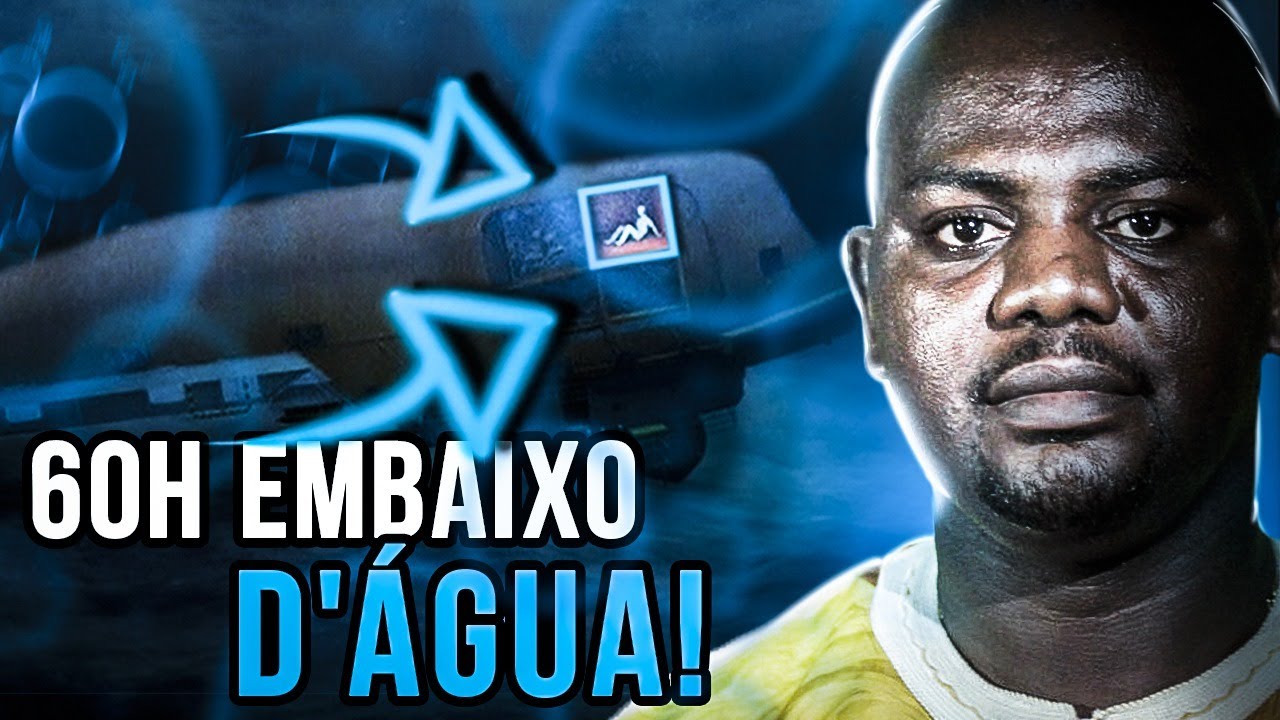


Trapped for 3 Days at 30 Meters Deep, Harrison Okene Survives with an Air Bubble in a Sunken Ship and Stars in the Most Extraordinary Underwater Rescue Ever Recorded.
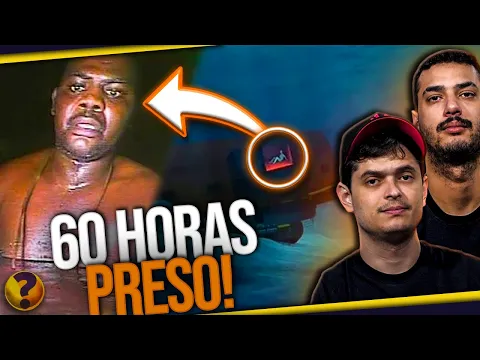
In May 2013, an accident off the coast of Nigeria turned into one of the most impressive episodes in modern human survival history. The cook Harrison Okene, then 29 years old, was aboard the tugboat Jascon-4 when the vessel capsized after a sudden storm. The ship sank at a depth of 30 meters, trapping the crew in flooded compartments. Of the 12 men on board, Harrison was the only survivor, and his survival occurred under such extreme conditions that doctors, physiologists, and professional divers still study how his body endured.
Okene was trapped for almost 72 hours on the ocean floor, in complete darkness, surrounded by icy water, constantly splashing against the metal ceiling, with no food, no light, no thermal clothing, and only a tiny air bubble to breathe.
The Air Bubble: The Phenomenon That Kept Him Alive When Everything Indicated Otherwise
When the ship capsized and began to sink, pockets of compressed air became trapped in the internal compartments. In one of the bathrooms, Harrison managed to hold onto the submerged ceiling and found a bubble of approximately one meter high, enough to keep part of his head above the water.
-
21-Year-Old Brazilian Student Turns Homemade Popsicle Hobby into $100,000-a-Month Business

-
Australia Dumps Hundreds of Thousands of Tons of Gravel into Rivers to Restore Natural Barriers and Reverse 150 Years of Erosion

-
Bird-Inspired Robot Glides on Air Currents up to 10 m/s, Balances Itself, and Aims to Save Energy in Industrial Inspections and Meteorological Balloons
-
Eight Artists Secretly Lived in a Hidden 70m² Apartment Inside a Shopping Mall in Brazil for Four Years




The physics that saved him is complex:
- the bubble was small,
- the air was being compressed by the pressure of the depth,
- with each passing minute, the oxygen decreased and the levels of carbon dioxide increased.
Even so, for reasons not yet fully understood, the bubble maintained breathable air long enough for him to survive. Experts state that small gas exchanges with adjacent spaces in the ship and the constant movement of the water may have delayed the fatal buildup of CO₂.
Still, spending three days in a closed, dark environment with limited oxygen is considered “physiologically almost impossible.”
Temperature: Another Deadly Enemy That Should Have Killed Him
The water at such depths had temperatures ranging from 5°C to 9°C, enough to induce deep hypothermia in a matter of minutes. Harrison was only in his underwear when the ship sank.
However, to the doctors’ surprise, he did not go into total thermal shock. Specialists attribute his survival to factors such as:
- the warmer air accumulated in the bubble;
- periods when he kept his body partially out of the water;
- microvariations in temperature inside the hull;
- the extreme state of stress, which temporarily increased his metabolism.
Still, science admits that his thermal resistance is extraordinary.
Absolute Loneliness and Psychological Terror in Complete Darkness
Harrison couldn’t see anything. He heard:
- thuds from metal structures,
- vibrations of the hull,
- sounds of fish and predators,
- water gaining ground inside the ship,
- bodies floating nearby.

He spent hours praying, diving into the dark water to search for exits and returning to the bubble to breathe. The deep darkness affected his sense of time, and he reports that several times he believed he was already dead.
Psychiatrists who analyzed the case highlight that, under similar conditions, most humans experience psychological breakdown within a few hours.
Harrison endured alone for three days.
The Unlikely Rescue: When Harrison Touched the Diver’s Hand
The bodies of the crew were to be retrieved by the company DCN Diving, specialized in deep operations. The divers believed they were only collecting bodies and did not expect to find survivors.
In videos released by the BBC and CNN, one can see the exact moment the diver Niklas Johansen extends his hand to touch a body and Harrison grabs his hand back.
The diver immediately recoils, believing he is facing a cadaveric reflection, but soon realizes that the man is alive. The footage became one of the most viewed underwater images in the world.
The Risks of the Rescue: Harrison Could Have Died When Returning to the Surface
Spending three days at 30 meters deep completely alters the internal pressures of the body. If he ascended too quickly, Harrison could suffer:
- gas embolism;
- decompression syndrome;
- pulmonary collapse;
- fatal seizures.
For this reason, the rescue used an emergency technique:
- they placed Harrison in a submerged chamber;
- pressurized the environment to equalize his depth;
- initiated a slow and controlled ascent;
- kept him in a hyperbaric chamber for two days.
He survived without neurological or pulmonary sequelae.
Why This Case Fascinates Doctors and Scientists to This Day
Harrison Okene has become a case study for four main reasons:
Rare Physiological Tolerance
The combination of low temperature, lack of light, hunger, thirst, and underwater pressure is lethal for almost all humans within a few hours.
Low Oxygen Concentration
The bubble should have collapsed within hours, and CO₂ levels should have reached lethal thresholds—but they didn’t.
Absence of Mental Collapse
Loneliness and psychological terror would be sufficient to cause delirium and unconsciousness, but Harrison remained lucid.
The Filmed Rescue
It is the only known record of a survivor being found alive days after a deep-sea shipwreck.
Harrison Okene not only survived conditions that should have been mathematically fatal, he did so alone, in the dark, in the cold, starving, with the water rising and the ship collapsing around him.
His story has become a global scientific reference and continues to be studied as an extreme example of the limits of the human body and the psychological capacity to survive the impossible.