






 Portuguese
  Spanish
  4 min of reading
  0 comments


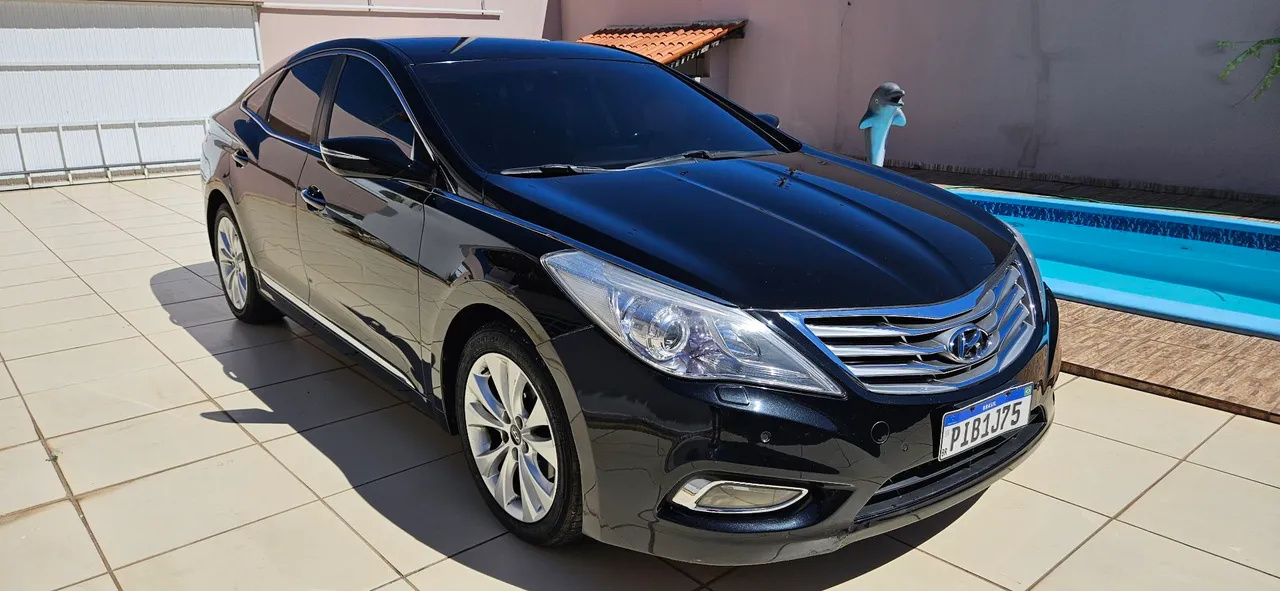
Hyundai Azera 3.0 V6 Delivered 250 Hp, Premium Sedan Luxury, and Today Costs Less Than a Brand New HB20, Making It One of the Most Underrated Bargains in the Market.
At the beginning of the 2010s, the Hyundai Azera 3.0 V6 represented the pinnacle of the South Korean brand in Brazil. A large, refined, and powerful sedan that was positioned above the Sonata and aimed to compete directly with traditional rivals such as Ford Fusion V6, Honda Accord, and even some entry-level German cars.
With its imposing design, V6 engine delivering 250 hp, and a list of features that impressed even consumers used to premium brands, the Azera earned respect but never became the sales leader in the segment. Today, ironically, it is possible to find well-preserved examples in the used market for below R$ 80,000, costing less than a brand new Hyundai HB20.
3.0 V6 Engine: Power and Smoothness
The standout feature of the Azera was its 3.0 V6 gasoline engine, capable of delivering 250 hp and around 28.8 kgfm of torque.
-
BYD Dolphin Mini: The Electric Car That Defies Depreciation, Losing Only 3.58% in a Year and Becoming the Best-Selling Retail Model Under $22,000

-
Electric Car JAC E-JS4 Loses $19,000 in Value in One Year, Leading Record Depreciation of Used Cars in Brazil Due to Expensive Battery and New Models
-
Used Civic and Corolla have been stuck in stock for months. “People are preferring Chinese cars,” says the car dealership owner.

-
Toyota Sienna becomes a “VIP lounge on wheels” in Brazil after receiving a Chinese luxury kit, seats with massage, Starlink, refrigerator, and a 245 hp hybrid engine, targeting high-income families, artists, and executive transport in an almost million-dollar van.


Paired with a 6-speed automatic transmission, the setup ensured vigorous accelerations while also providing a smooth ride on long trips.


In tests from that time, the sedan accelerated from 0 to 100 km/h in about 8.5 seconds, respectable figures for a car weighing almost 1.6 tons.
More than the numbers, what stood out was the linear power delivery, a characteristic of naturally aspirated V6 engines, along with the onboard silence — a result of the excellent sound insulation of the cabin.
Fuel Consumption and Range
Like any naturally aspirated V6, the Azera was not an economy champion, but it delivered acceptable averages for its size:
- 8 km/l in the city
- 11 km/l on the highway
With a 70-liter fuel tank, the range could reach 770 km on highways, making it an ideal sedan for long family trips.
Plenty of Space and Comfort
The Azera stood out for its generous dimensions: it measured over 4.90 meters in length and had a wheelbase of 2.84 meters, ensuring ample interior space for all occupants.
The leather seats with electric adjustments provided first-class comfort, while the dual-zone digital air conditioning kept the cabin always at the ideal temperature.
The trunk, with 461 liters, easily accommodated a family’s luggage on long trips, reinforcing its image as a comfortable and practical car.
Cutting-Edge Technology for Its Time
If today we talk about multimedia systems and electronic assistants as mandatory, in 2011 the Azera already featured impressive resources:
- Front seats with ventilation and memory
- Panoramic sunroof
- Directional xenon headlights
- Premium Infinity sound system
- Electronic stability control (ESP)
- Cruise control
- Front and rear parking sensors
This technological package placed it on par with sedans from German brands that cost much more, making it one of the most complete cars in the segment.
Rivalry with Fusion and Accord
In Brazil, the Azera was positioned to directly compete with models such as Ford Fusion V6 and Honda Accord V6.
The Fusion gained fans with its modern design and Ford’s extensive dealership network, while the Accord carried Honda’s reputation for reliability. The Azera, in turn, relied on a more generous equipment package and competitive pricing.
However, it never reached the same sales figures, partly due to prejudice against Hyundai, which at the time was still seen as a rising brand in the premium segment.
Today, however, many consumers recognize the value of the Azera and seek it in the used market for precisely that balance between power, comfort, and affordable pricing.
Current Price: Luxury for the Price of a Popular Car
What impresses the most today is the depreciation of the Azera. While a brand new HB20 easily exceeds R$ 95,000 in mid-range versions, it is possible to find a well-maintained 3.0 V6 Azera for values between R$ 65,000 and R$ 80,000.
In other words, for less than the price of a new compact car, buyers can take home a premium sedan with a V6 engine, refined finish, ample space, and features that are still uncommon in cheaper models.
Why Didn’t the Azera Succeed?
Despite its qualities, the Azera was never a big sales success in Brazil. Several factors explain this:
- Tough Competition: Sedans like Fusion and Accord already had more tradition in the segment.
- Preference for SUVs: The Brazilian market began to shift heavily towards SUVs at that time.
- Resale Value: The perception of depreciation always weighed against the model, deterring buyers who sought market security.
The Hyundai Azera 3.0 V6 was undoubtedly one of the most complete sedans Brazil ever received. With 250 hp, a 6-speed automatic transmission, first-class comfort, and luxury features, it positioned itself as a direct rival to Fusion and Accord, but ended up overshadowed by market choices.
Today, however, its depreciation makes it a rare opportunity: a premium sedan that delivers power, comfort, and sophistication for less than a new compact hatch.
For those seeking a different, comfortable, and standout car, the Azera remains one of the best bargains in the used market.




Be the first to react!