






 Portuguese
  Spanish
  3 min of reading
  0 comments


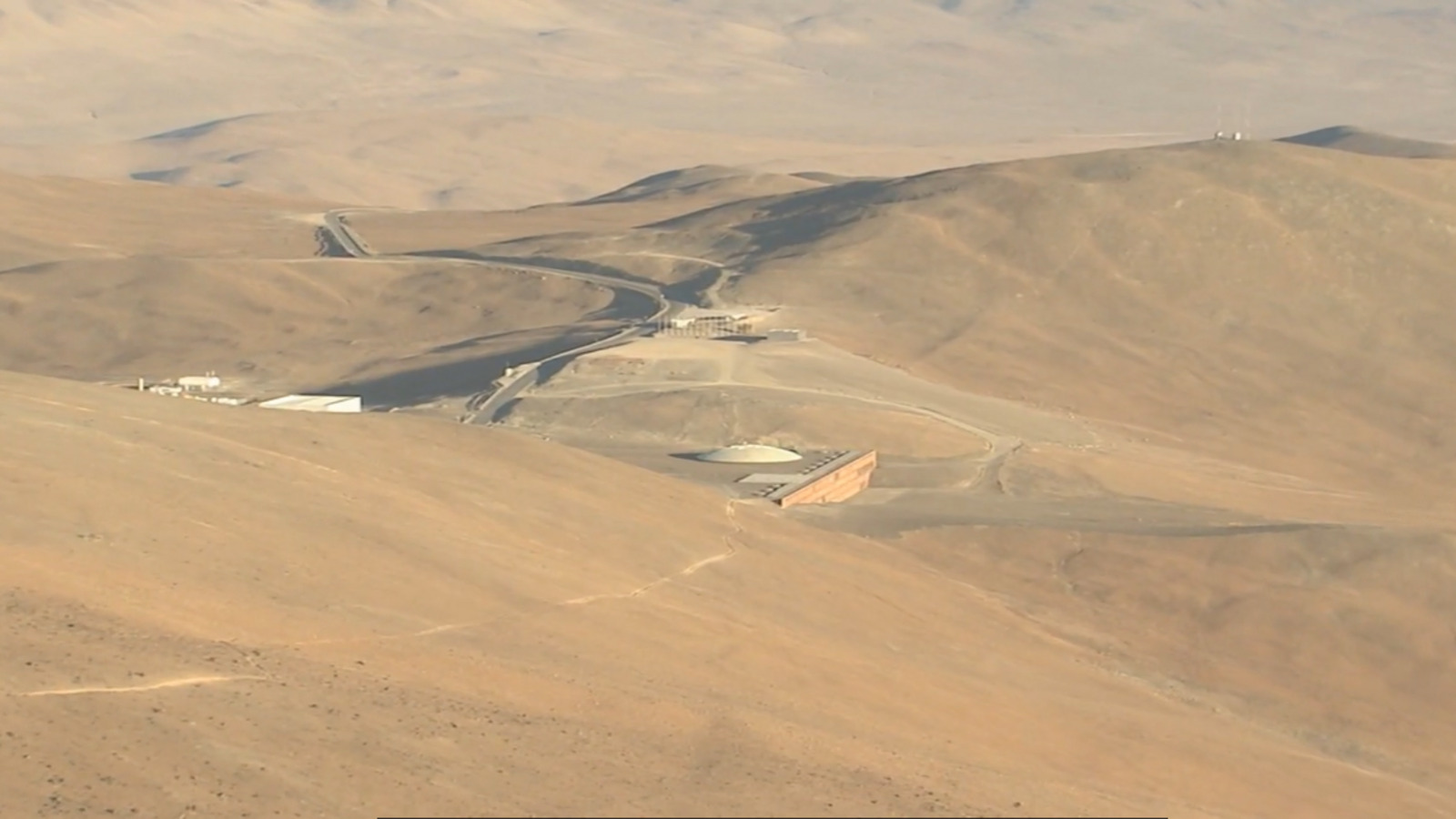
Built in the Atacama Desert, La Residencia offers a tropical garden, pool, and rest areas for professionals at the Paranal Observatory, preserving the darkness necessary to observe stars, galaxies, and distant planets throughout entire nights
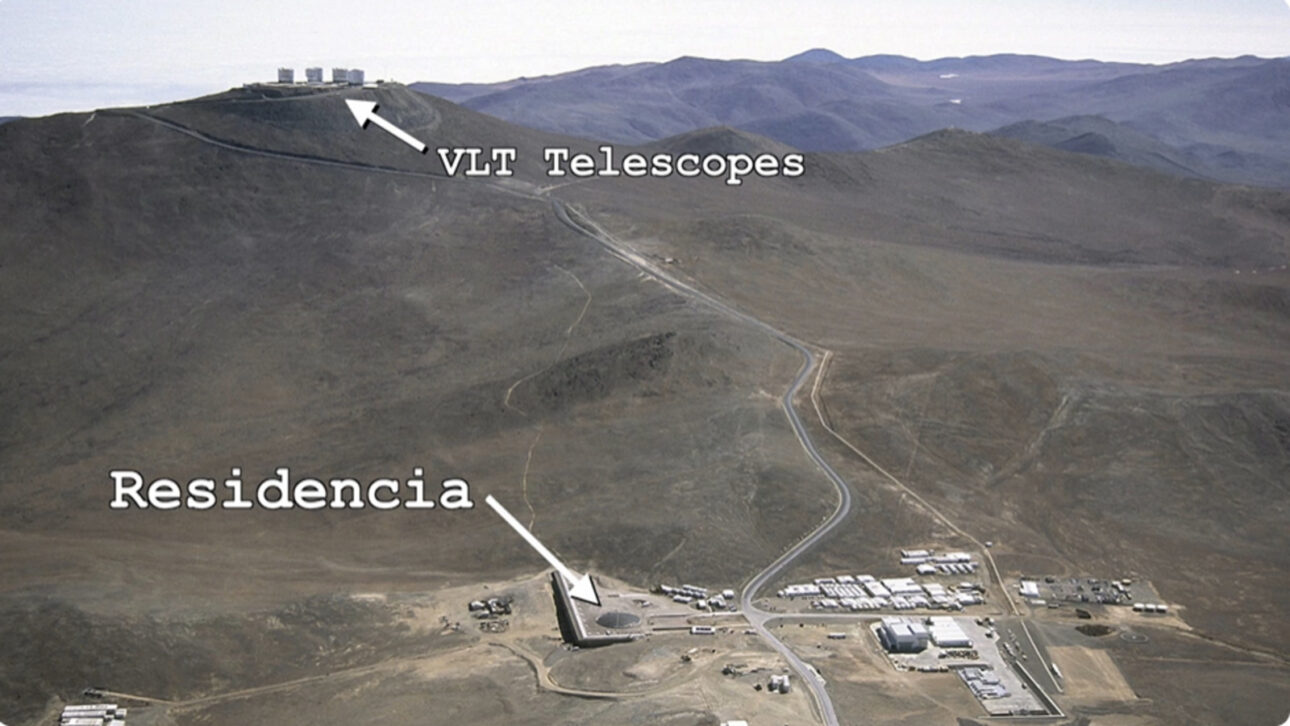
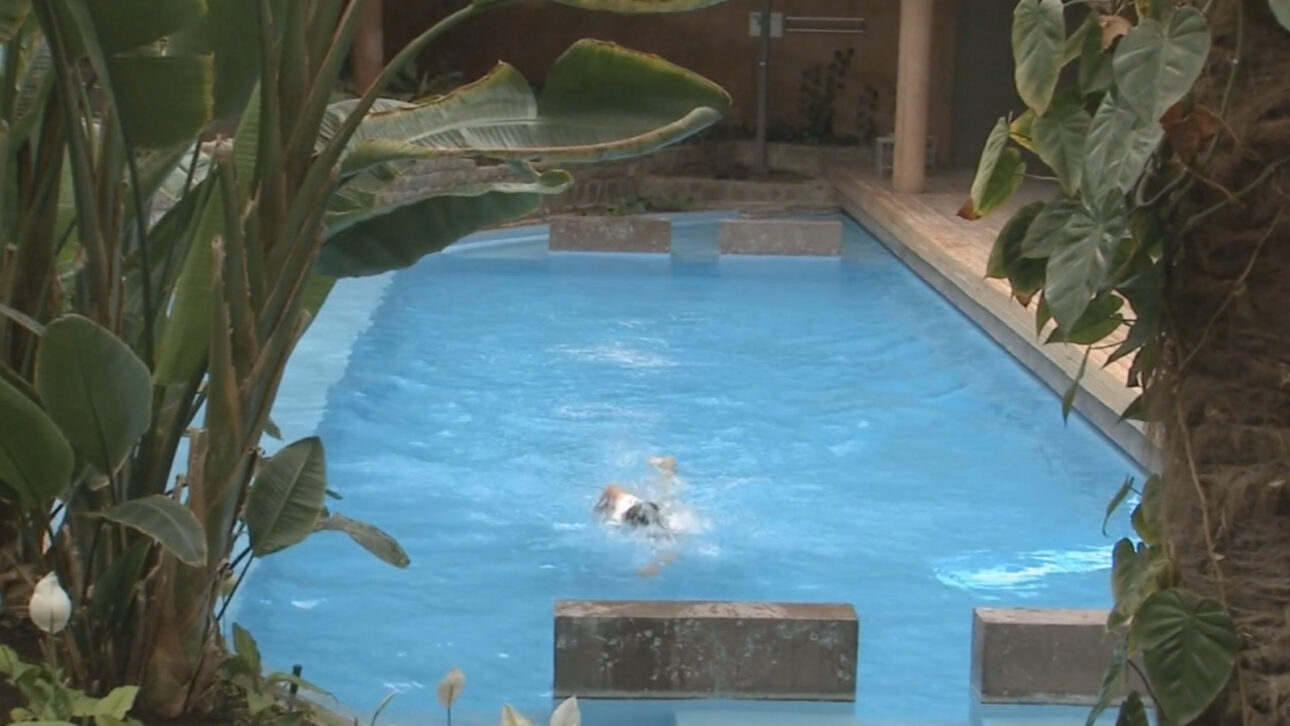
La Residencia, built at an altitude of over 2,600 meters in the Atacama Desert in northern Chile, houses scientists and engineers from the Paranal Observatory. Behind a discreet entrance, the complex features a tropical garden, pool, trees, and rest spaces in a region marked by rocks, dust, isolation, and low humidity.


La Residencia creates an oasis in an extreme environment
Located about two hours from Antofagasta, the structure was designed by the European Southern Observatory to offer conditions that are virtually non-existent outside: humidity, vegetation, water, and leisure areas.
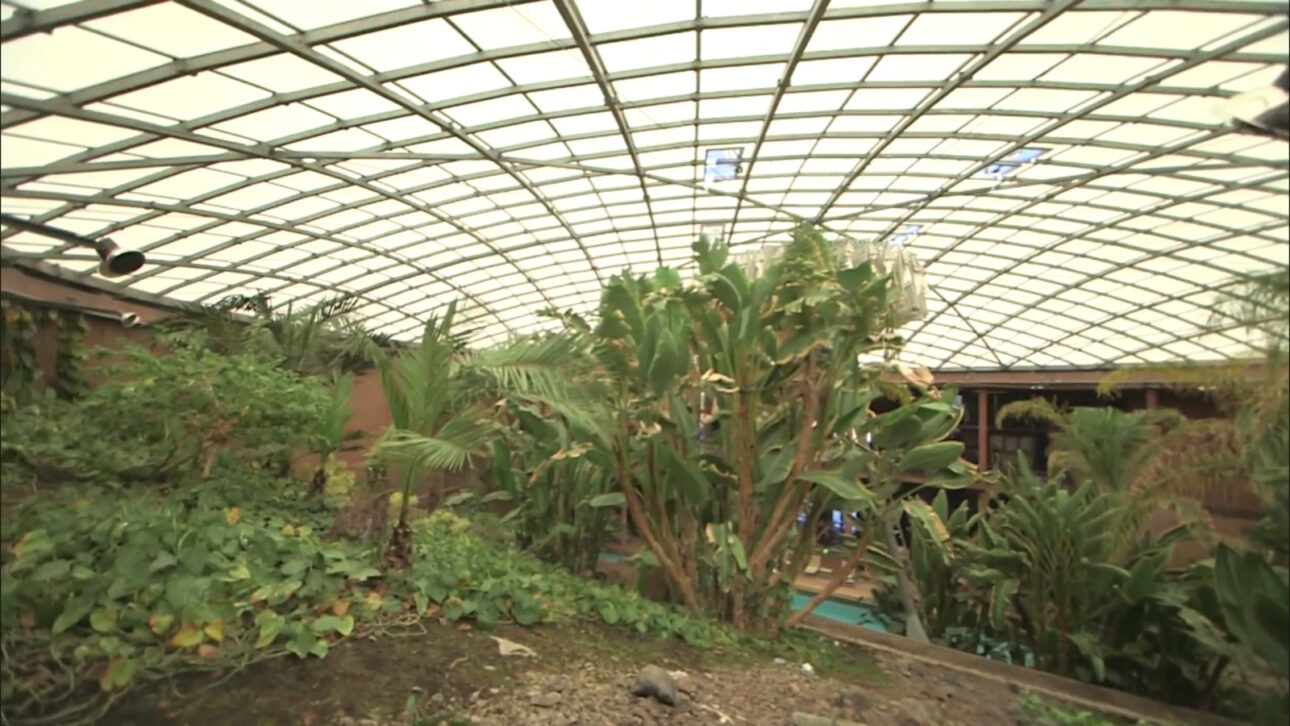
In the center of the building, there is a large atrium protected by a translucent dome. Trees, palm trees, and tropical plants help make the environment more comfortable for professionals who spend several weeks working at the observatory.
-
São Paulo Unveils 500 Electric Buses with $1.3 Billion Investment, Aiming to Cut 20 Million Liters of Diesel Annually and Showcase Clean Mobility

-
Robot Works 900 Hours to Build World’s Tallest 3D-Printed Concrete Tower, 30 Meters High, in Swiss Village of 12 Residents

-
Brazilian Nuclear Science Uses Advanced Techniques to Combat Microplastics in Waterways and Food, Paving the Way for Innovative Environmental Solutions

-
German Collector Discovers New Mineral in Ancient Mine, Named After Him



The solution responds to the extreme conditions of the Atacama. In addition to isolation, the occupants face strong solar radiation and very low humidity, factors that require special care during their stay at the site.
Darkness is preserved to protect observations
At night, avoiding unnecessary sources of lighting is one of Paranal’s main rules. The telescopes observe extremely faint and distant objects, and excess light can interfere with scientific measurements.
For this reason, even vehicles need to limit the use of headlights. The rooms at La Residencia have small windows, while different areas of the complex remain completely dark after nightfall.
Telescopes capture and concentrate light from distant objects. In this way, they allow the observation of stars, planets, galaxies, and other bodies that would be difficult or impossible to identify with just human vision.
Scientists work while much of the world sleeps
The routine at the observatory follows the sky observation schedules. During the day, some teams perform maintenance on the equipment and prepare for the following tasks. Other professionals start their shifts at sunset and remain active throughout the night.
Around the residence, the Milky Way can be seen with exceptional clarity. On certain nights, it is also possible to distinguish the Magellanic Clouds with the naked eye.
Complex also became a movie set
Chile accounts for about 40% of the world’s terrestrial astronomical observation capacity. This share is expected to grow with the commissioning of new telescopes installed in the north of the country.
In addition to hosting astronomy professionals, La Residencia caught the attention of the film industry. In 2008, areas of the complex were used in the final scenes of “Quantum of Solace,” a film starring Daniel Craig.
This article was prepared based on the material provided about La Residencia and the European Southern Observatory, with data, numbers, and information preserved as per the consulted content.


Be the first to react!