






 Portuguese
  Spanish


With an Investment of US$ 285 Million, the Chinese State-Owned Company Cofco Erects a Structure That Aims to Secure Its Grain Supply, Tightening the Geopolitical Dispute with the United States Directly from the Paulista Coast.
An Investment of 285 Million Dollars in the Port of Santos, the largest in Latin America, is Changing the International Trade Landscape. Led by the Giant Chinese State-Owned Company Cofco, the Project for a New Grain Terminal Not Only Reinforces Brazil’s Position as the Main Agricultural Supplier to China but Also Intensifies the Crisis for American Farmers, Placing the Country at a Central Point in the Dispute Between the Two Largest Powers in the World.
An Asian Giant at the Largest Port in Latin America
The Port of Santos is the Heart of Brazil’s Export Economy. In 2024, the Port Complex Handled a Record 180 Million Tons of Cargo. More Than Half of This Volume Came from Agriculture. Soybeans Are the Protagonist, with Brazil Exporting Over 101 Million Tons in 2023. Of That Total, the Paulista Port Was Responsible for Shipping About 40% of Exports to China.
It Is in This Context That Cofco, One of China’s Largest State-Owned Companies, Is Making Significant Investments. The New Chinese Terminal in Santos Will Be Almost Exclusive for Grain Shipping. The Project Arises as a Direct Response to the Saturation of the Port, Which, According to Folha de São Paulo, Is Already Operating at Over 91% of Its Capacity for Grain Exports. The Project Creates a Direct and Efficient Logistics Bridge Between Brazilian Farms and Chinese Ports.
-
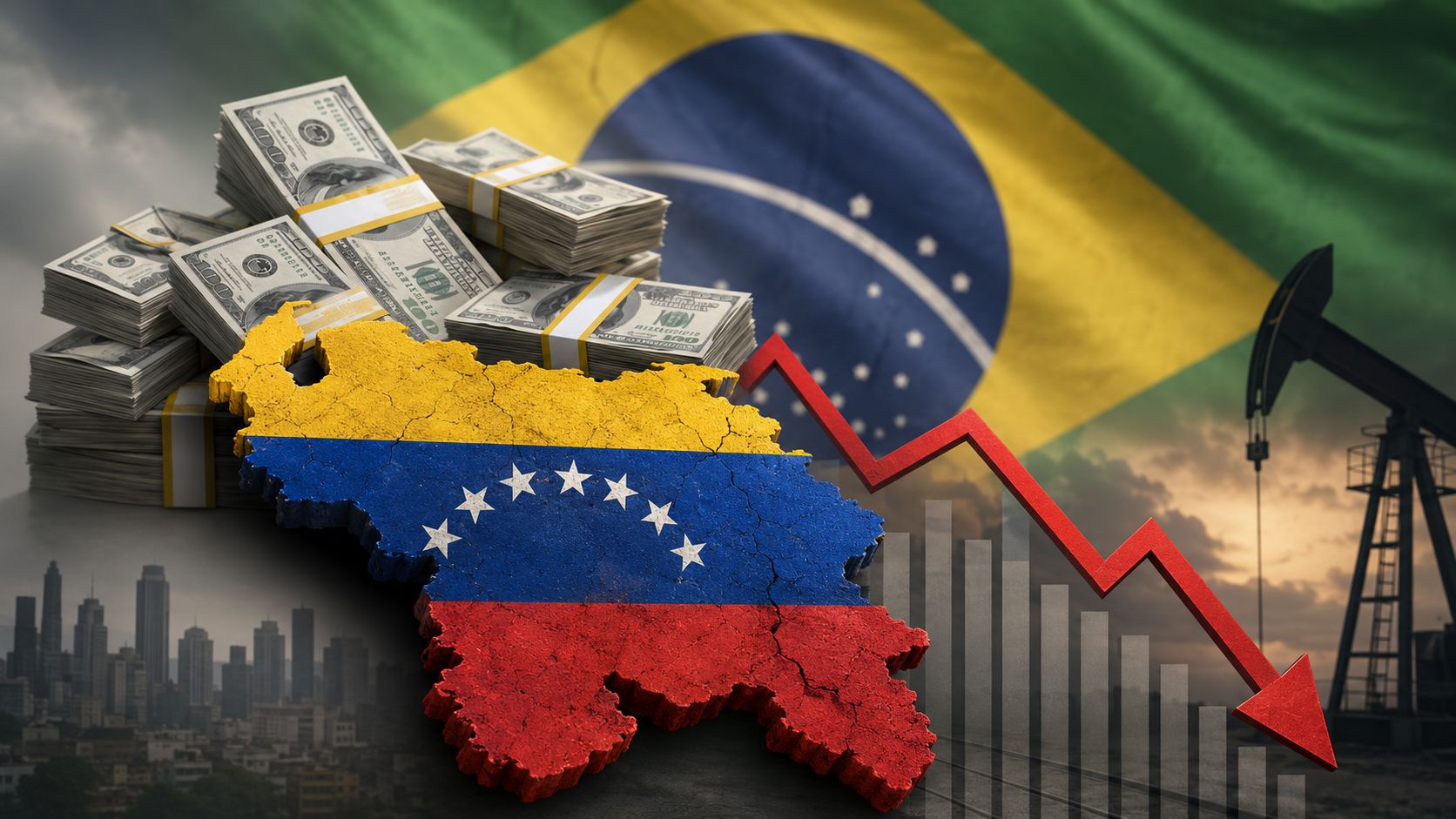
Brazil’s BNDES Funded Metro and Steel Plant Projects in Venezuela with Brazilian Support

-
Abandoned Building in Brazil to Become Biotechnology Unit with $10 Million Investment, Bridging Science, Industry, and Public Health
-
Company Offering “Stones to Diamonds” Scheme Sells Ruined Italian Homes to Brazilians for 1 Euro, Disappears with Promised Renovations, Leaving Buyers in Debt to Italian Tax Authorities Until 2028 Without Property

-
Plastic Packaging Drives Santa Catarina Industry to 230% Growth, Aiming for R$ 500 Million by 2030 Amid Sector Crisis, with New Gearless Line Expanding in Southern Brazil to Compete in South America



Engineering and Strategy: The Details of the New Terminal
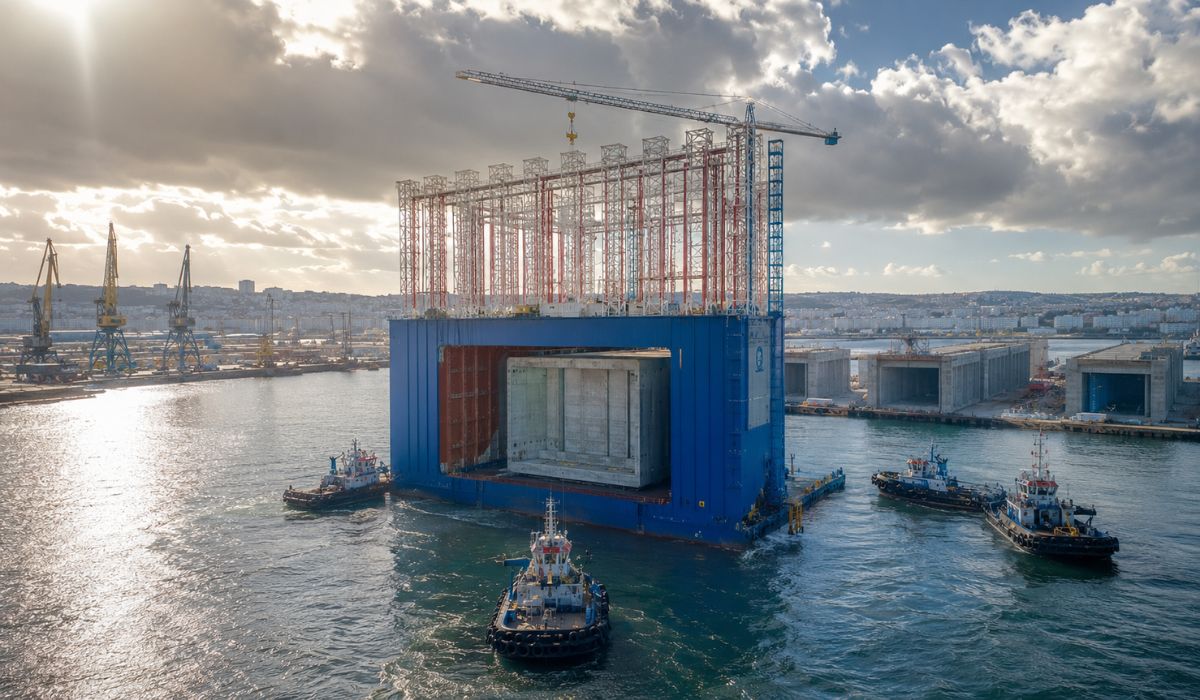
The Goal of Cofco Is Clear: To Triple Its Capacity for Shipping in Brazil. The Target Is to Jump from 4.5 Million to Up to 14 Million Tons Per Year. To Achieve This, the Project Integrates Cutting-Edge Engineering and Refined Logistics. The Terminal Will Have Direct Access to Rumo’s Railway Network and Major Highways, Ensuring Rapid Transportation of Soybeans and Corn from the Midwest.
The Structure Will Feature Vertical Storage Silos and Automated Conveyor Belts with a Capacity of Up to 2,000 Tons Per Hour. Dedicated Berths and Deep Drafts Will Allow the Mooring of Large Vessels, Speeding Up Loading. The Project Also Includes Impact Mitigation Practices, Such as Particulate Containment Systems and Rainwater Harvesting, Complying with International ESG Standards. The Expectation Is That Operations Will Begin Between Late 2025 and Early 2026.
The Geopolitical Board: How Brazil Shakes the China-U.S. Dispute
This Investment Is a Turning Point in Global Trade. For Decades, the United States Has Been the Main Supplier of Grains to China. The Trade War That Began in 2018 Changed This Scenario. With Tariff Barriers, Brazil Took the Lead in Soybean, Corn, and Meat Exports to the Chinese Market.
The New Chinese Terminal in Santos Deepens This Shift. The Structure Will Allow China to Further Reduce Its Dependence on the U.S. The Fact That the Terminal Is Operated by a Chinese State-Owned Company Gives Beijing Direct Control Over Part of Its Supply Route in Brazil. For the United States, the Alert Is Clear. The U.S. Department of Agriculture Estimates That American Producers Lost Over 27 Billion Dollars in Exports Just in the First Phase of the Trade War.
Santos vs. Gulf of Mexico: The New Competition in Agriculture
The Scale of the Brazilian Project Rivals the Largest Grain Terminals in the U.S., Located in Ports Like New Orleans and Houston. Cargill’s Terminal in Louisiana, for Example, Has a Capacity of Over 10 Million Tons Annually. The New Structure of Cofco in Santos Aims for a Higher Capacity of 14 Million Tons.
However, Brazil Has Important Competitive Advantages. The Geographic Proximity to the Country’s Agricultural Heart Reduces Logistics Costs. Moreover, Control of the Terminal by a Chinese State-Owned Company Eliminates Intermediaries and Ensures Long-Term Contracts, Offering Stability That American Private Terminals Cannot Replicate in the Current Geopolitical Scenario. The Axis of Global Agriculture Is Shifting from New Orleans to Santos.





Viu ai tio San,levou na ****