






 Portuguese
  Spanish
  3 min of reading


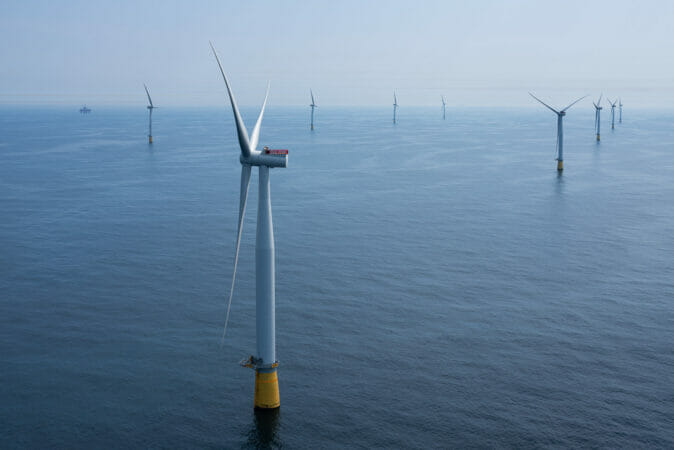
Equinor Inaugurates Largest Offshore Wind Farm and Will Use Electricity to Power Its Oil and Gas Platforms.
Last Wednesday (23), the world’s largest offshore wind farm was officially inaugurated off the western coast of Norway. The fossil fuel giant Equinor is responsible for the enormous Hywind Tampen offshore wind farm, which, with a capacity of 88 MW, will deliver energy to power nearby oil and gas platforms.
Controversy Between Renewable Energies and Oil and Gas Platforms
The project, which uses a new technology to connect 11 giant wind turbines to the seabed, has generated mixed reactions from environmentalists. While it helps reduce emissions from oil and gas platforms, climate advocates argue that it is time to completely stop fossil fuel drilling.
The question of whether or not oil and gas companies can be part of the transition to renewable energies is also a deeply controversial issue. A new report from Greenpeace highlights the limited role that wind energy and other energy solutions play in Equinor’s portfolio.
-
Brazilian scientists are simultaneously advancing two research projects on clean hydrogen and driving solutions that could transform the energy matrix, enhance industrial competitiveness, and accelerate large-scale emission reduction targets.

-
Advancement in renewable energy: A R$ 150 million project launched by Petrobras and Finep aims to create state-of-the-art electrolyzers for green hydrogen, strengthening national research and preparing Brazil to compete in a billion-dollar energy market.
-
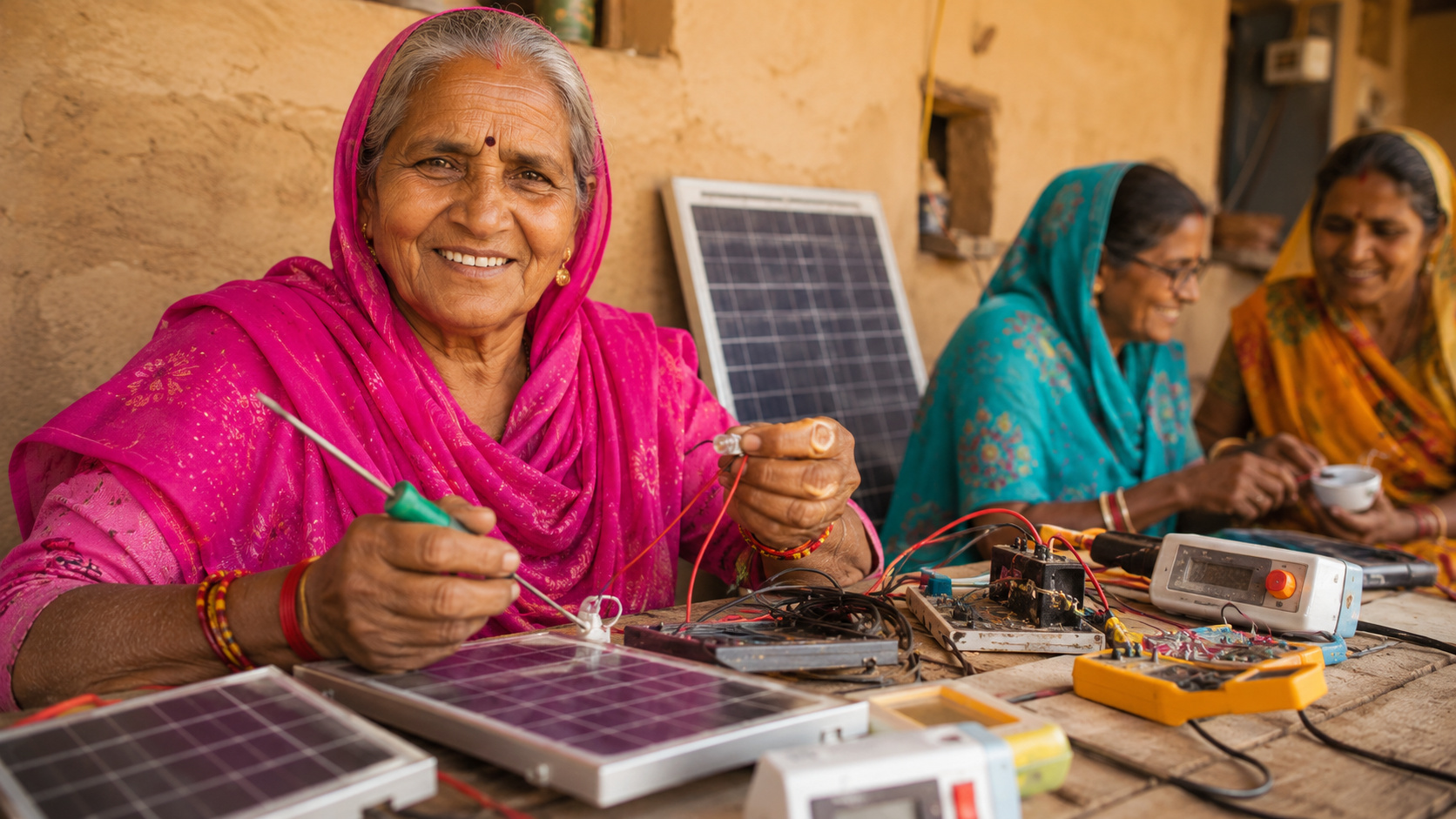
Illiterate or semi-literate grandmothers were trained to repair solar systems, open rural workshops, and light up homes that still depended on kerosene.
-
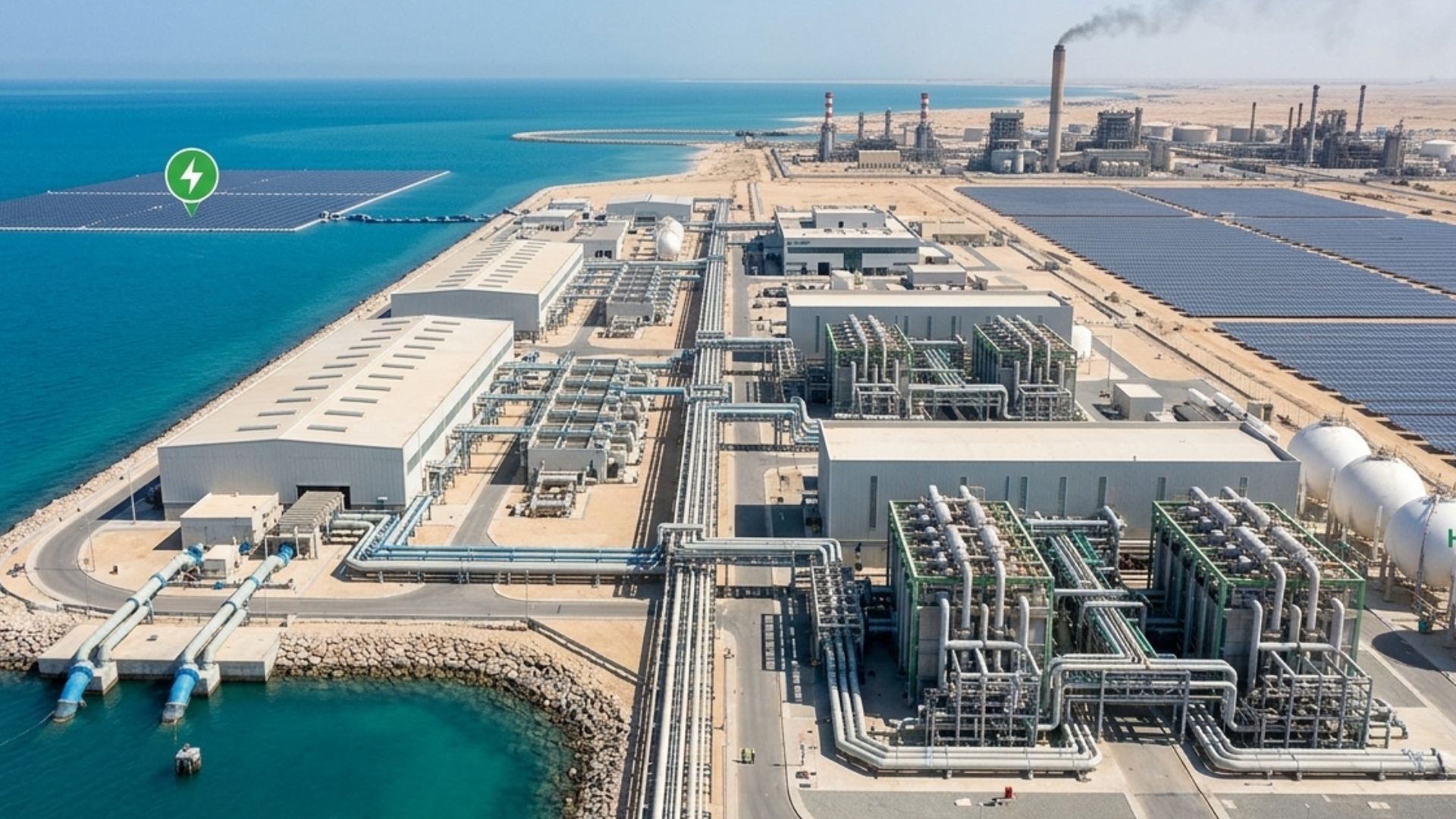
The world has bet on green hydrogen as the fuel of the future, but now faces the side effect: producing 1 kilogram requires about 9 liters of ultrapure water, and the largest projects on the planet are precisely in the driest regions of the Earth, where water is already scarce for people.



Equinor Invests Only 3% of Its Budget in Low Carbon Emissions
The Norway-based company invests only 3% of its budget in real low carbon emissions, according to an analysis conducted by Greenpeace of Central and Eastern Europe on 12 oil and gas platform owners.
Equinor has partnered with OMV and Vaar Energi for the development of the offshore wind farm, which began generating energy in November and reached its full capacity at the beginning of this month.
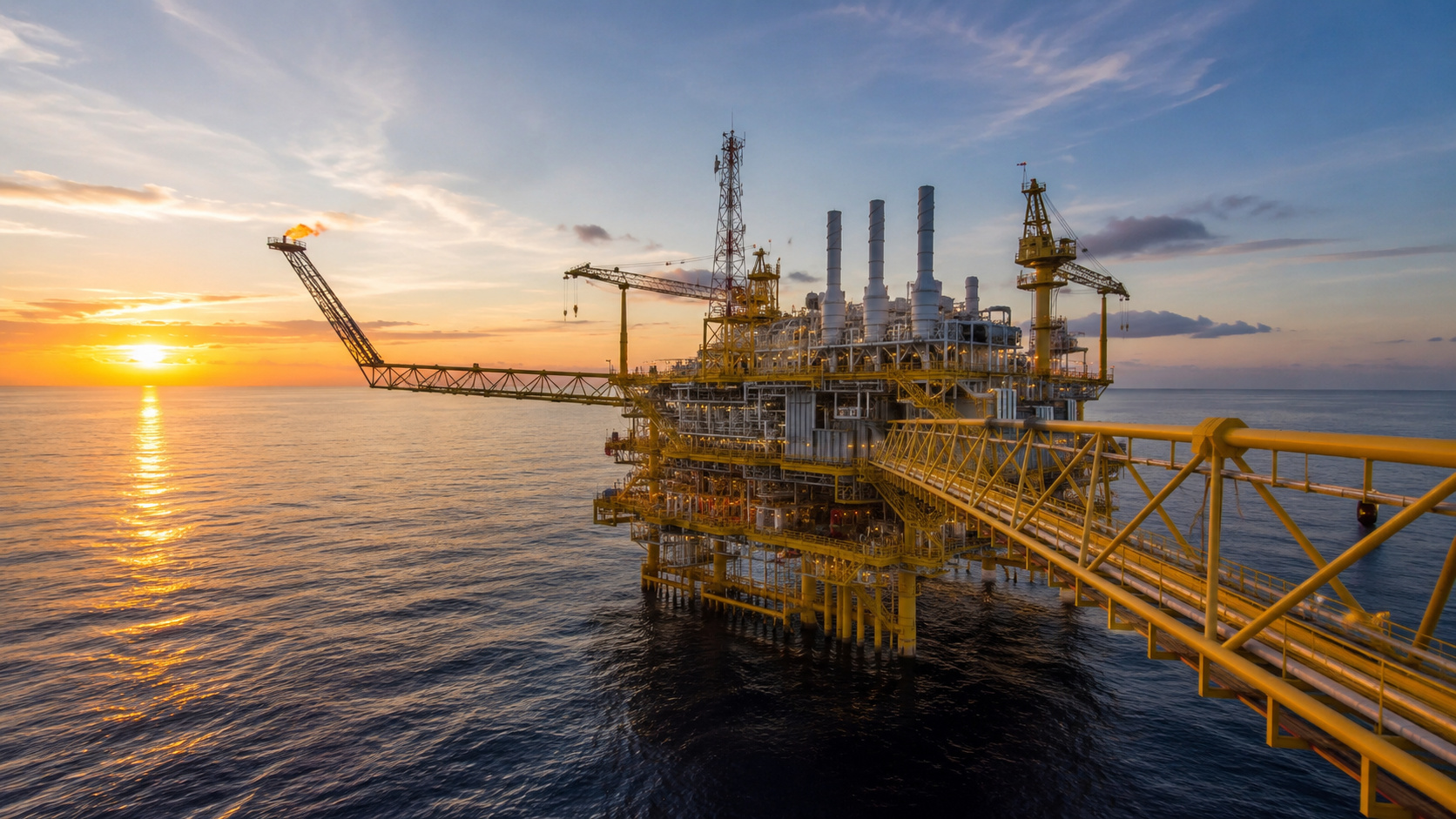
The energy generated by the offshore wind power plant will cover about 35% of the energy needed to power five offshore oil and gas platforms in the North Sea. These platforms are carbon-intensive, typically using diesel or gas to power their machinery.
Offshore Wind Farm Features 11 Wind Turbines
Electrifying oil and gas platforms with wind energy will reduce CO2 emissions from the fields by approximately 200,000 tons annually, according to Equinor. This figure represents 0.4% of Norway’s total CO2 emissions in 2022.
The Hywind Tampen consists of 11 offshore wind turbines installed on a floating base that is anchored to the seabed, rather than fixed to the ocean floor, a new technology that, according to industry experts, is suitable for use in deeper waters offshore and which Equinor hopes to continue developing.
Norway is focused on producing 30GW of offshore wind energy by 2040, which would double the country’s current energy production. Electrifying the oil and gas platforms is essential for Norway to meet its national climate goals under the Paris Agreement.
Equinor’s Investments in Energy Transition
As the world awakens to the destructive climate power of oil and gas, producers are seeking their own ways to weather the storm.
Shell and BP have ramped up their oil and gas production this year, backtracking on previous promises of reduction. Equinor, however, has never deviated from a growth trajectory.
The company, which accounts for approximately 70% of Norway’s oil and gas production, increased its profits by 134% in the last year compared to 2021, having benefited from high gas prices in Europe following the war in Ukraine. Renewable energies represent only 0.13% of the company’s total energy production this year.








Be the first to react!