Portuguese
  Spanish


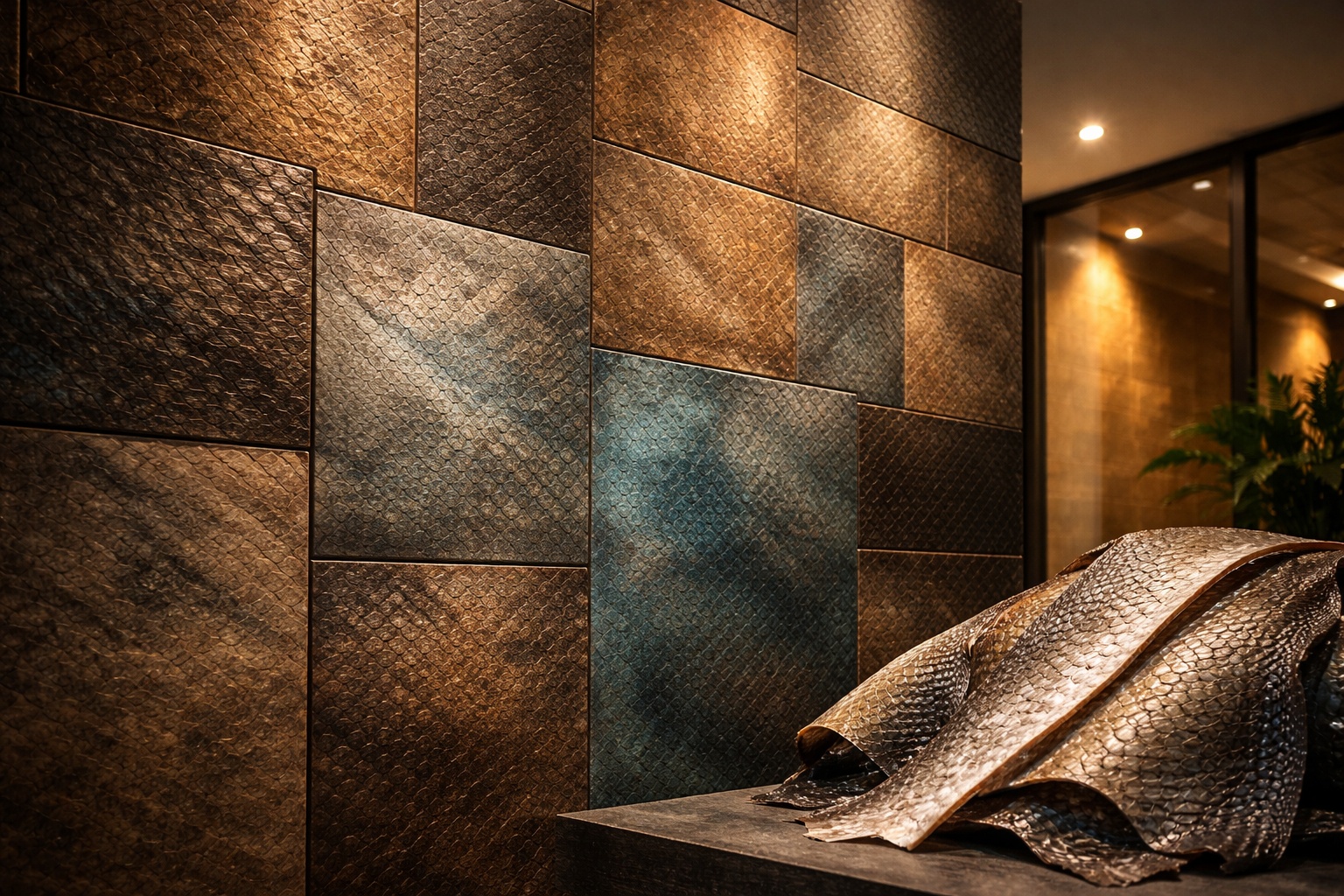


An Ancestral Technique Uses Fish Skins as Waterproof and Resistant Coating in Houses in Iceland and Japan, Joining Tradition and Vernacular Engineering.
Few people imagine that a material as humble as fish skin has been used as real architectural cladding in extreme environments, replacing wood, ceramics, or metal, and ensuring the survival of entire houses against rain, wind, and salt air. This occurred in cold and coastal regions of Iceland, Greenland, and Japan, where the scarcity of forests and the abundance of fish created a completely counterintuitive solution for modern construction standards.
The Technique That Transforms Skin into Cladding
The secret lies not only in the availability of the material but in how it is treated. The skins were carefully cleaned, stretched, and cured to eliminate fat and unstable organic parts.
The result was a surprisingly strong laminate, with oriented collagen fibers that could withstand tension, bending, and deformation without breaking. After drying, they were tensioned over surfaces or applied in overlapping layers, functioning as a kind of “enlarged scale” that prevented rainwater infiltration.
-
28-meter, 156-ton titans traveled 20,000 km from China to the port of Santa Catarina: Portonave received 7 fully electric megacranes, part of a R$ 210 million package, to double container handling.

-
They exchanged the idea of a large house for a 35 m² warehouse, spent US$ 12,000 on the structure, and created a tiny house in Colorado with space to live and work.

-
A newly opened terminal in the middle of the Amazon has begun transporting soy and corn through Amapá, eyeing the queue of ships that is congesting the ports in the South.

-
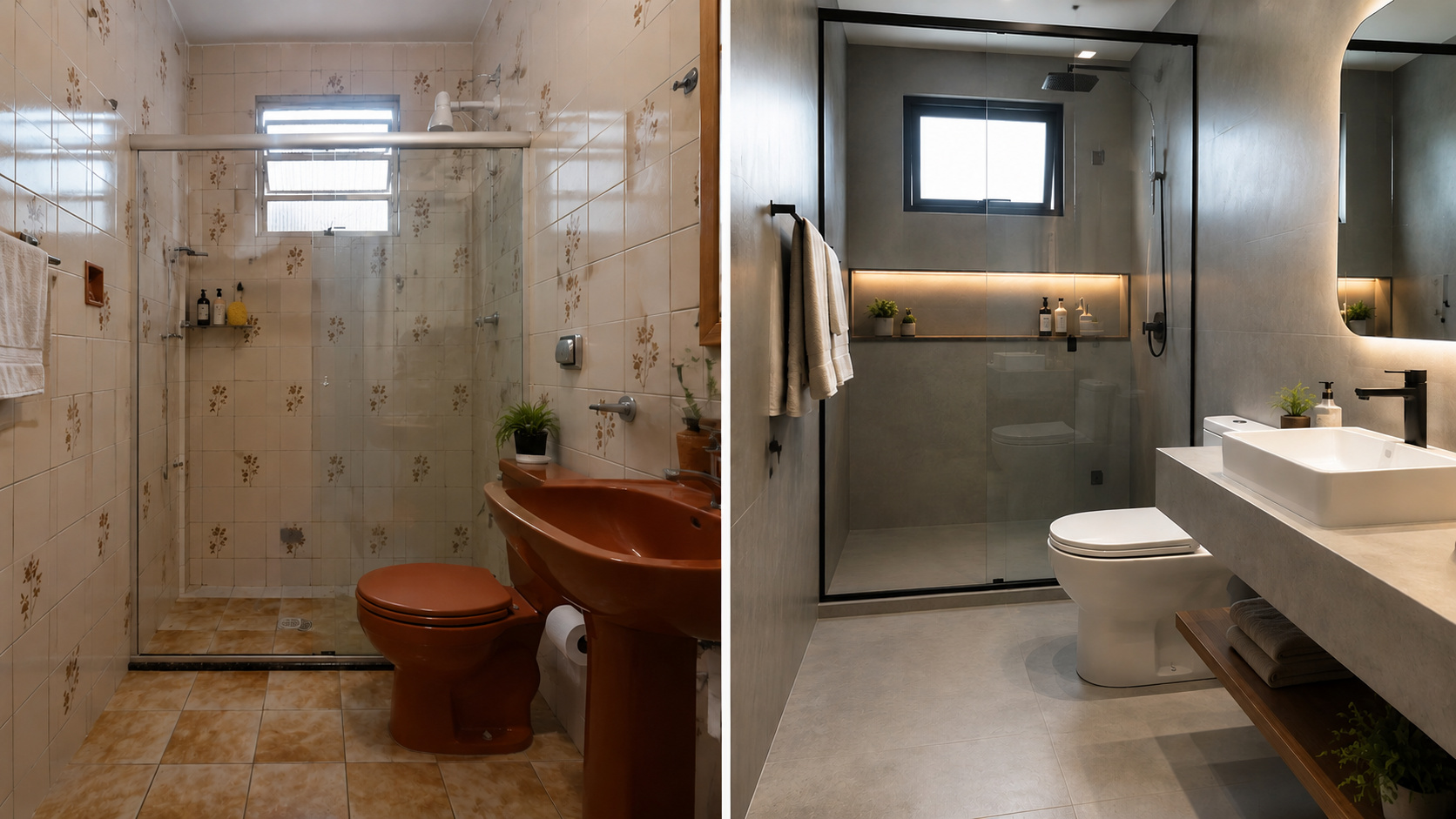
Goodbye to old tiles: renovation technique without construction transforms bathrooms in a few hours, eliminates debris, and reduces costs with coverings using special paints, high-resistance adhesives, and modern finishes that completely renew the space.


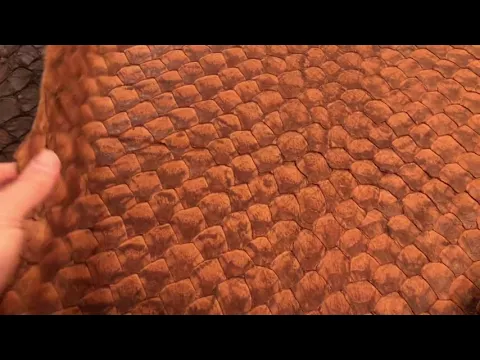

The physical effect is similar to overlapping shingles, except instead of fired clay or metal, what sealed the wall were thousands of aligned natural microfibers, producing waterproofing and flexibility in the same component.
In humid and cold environments, this combination was more effective than untreated wood, which swelled, rotted, or warped easily.
Why It Worked So Well in Hostile Places
Fish skin has characteristics that explain its use: it resists moisture, does not crack with sudden temperature variations, maintains cohesion even when wet, and tolerates salinity.
Instead of degrading with salt air, as many metals do, it performs well in coastal environments.
It is light enough not to overload the structure and flexible enough to accommodate movements from wind and temperature. The Iceland of the 18th and 19th centuries, with constant Atlantic winds, helped consolidate this method.
Real Cases Where the Technique Existed
The oldest records appear in Iceland, where coastal settlements used dried cod skin to cover entrances, external walls, and even doors.
In the Arctic, Indigenous peoples employed fish skin blades in the construction of kayaks and shelters, taking advantage of the natural waterproofing.
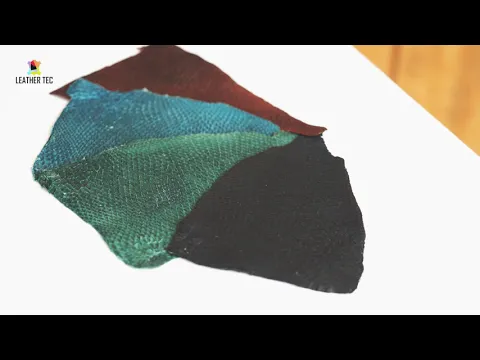
In Japan, particularly in the Hokkaido region, treated skin evolved from structural use to aesthetic and functional, creating interior panels that resisted moisture and salty air, something valuable in fishing villages.
Why Almost No One Knows About This
The answer has more to do with the modernization of materials than with the efficacy of the technique. With the popularization of sawn wood, galvanized metal, and later, industrial laminates, the vernacular use of fish skin began to disappear.
Furthermore, much of what modern architecture has established as “historic” came from urban elites, not coastal communities.
In other words: marble, Roman concrete, and ceramic tiles made it into the books; fish skin entered anthropology.
The Unexpected Comeback as an Architectural Material
In recent years, Scandinavian and Japanese designers have revisited fish skin, no longer as raw cladding, but as architectural laminate for interiors, taking advantage of the texture, durability, and cultural history associated with the material.
It now appears in wall panels, decorative surfaces, and acoustic finishes. There is a growing interest in natural, low-carbon materials and traditional techniques that worked before petrochemicals dominated the sector.