





 Portuguese
  English
  Spanish
  3 min of reading
  0 comments


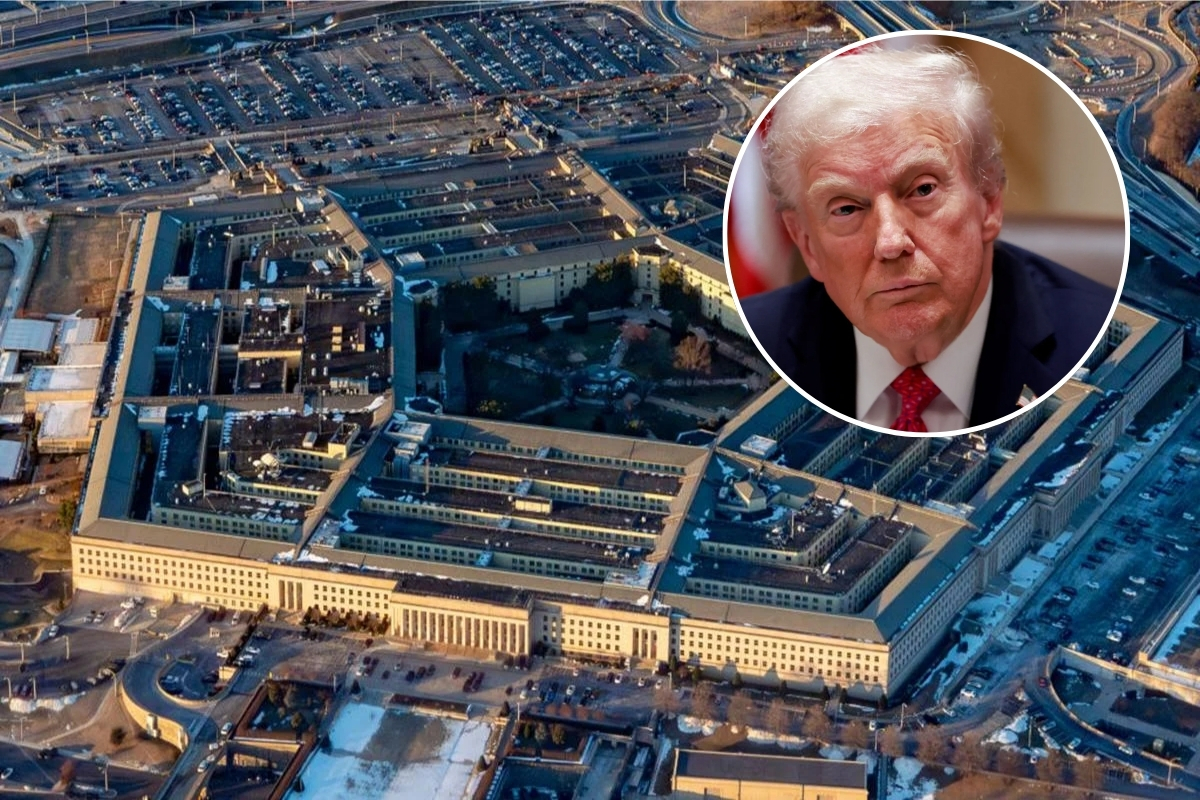
Two Aircraft Carriers and the Largest U.S. Mobilization in the Middle East Since 2003 Put Washington in War Mode, Raise the Risk of Regional Escalation, and Turn Every Negotiation with Iran into a Limiting Test
The Pentagon reportedly warned U.S. President Donald Trump about the concrete risks that a potential military operation against Iran could turn into a prolonged conflict in the Middle East. According to information released by the American press, members of the defense leadership highlighted that any offensive could lead to unpredictable consequences and increase the number of casualties among U.S. military personnel.
The warnings are part of internal strategic assessment protocols before large-scale military decisions. The central concern is that a limited initial action could trigger regional escalation, involving Iran’s allies and expanding the theater of operations far beyond what is anticipated.
Trump’s Trusted General Reportedly Issued Strategic Warning
Among the names mentioned is General Dan Caine, head of the Joint Chiefs of Staff and considered one of the most respected members of the national security team. According to reports, he presented scenarios that include everything from asymmetric retaliation to indirect attacks against U.S. interests in the region.
-
More than 100 Chinese ships are surrounding Taiwan, warns the head of the country’s National Security Council.

-
Trump’s announcement about sending 5,000 American soldiers to Poland was received with relief by European allies, but it also raised doubts within NATO about the United States’ strategy, the permanence of the troops, and the division of defense costs on the continent.

-
Yesterday, on the 21st, President Lula stated that he fears an incursion by Donald Trump into the Amazon: while the Brazilian Army advances in a transformation policy that includes troop reorganization, use of technology, and 20% of the forces in a high state of readiness.
-
The war that doesn’t appear on the front: the silent bomb of demographic collapse threatens Russia as Putin loses young people in Ukraine, babies in statistics, and talents in exile.



A few hours after the information became public, Trump reacted. In a post on Truth Social, the president labeled the reports as “fake news” and stated that there is no internal division regarding the stance toward Iran. He declared that Caine does not oppose a potential military action and that, if it occurs, the operation would be “swift and successful.”
Largest Military Mobilization Since the Iraq War
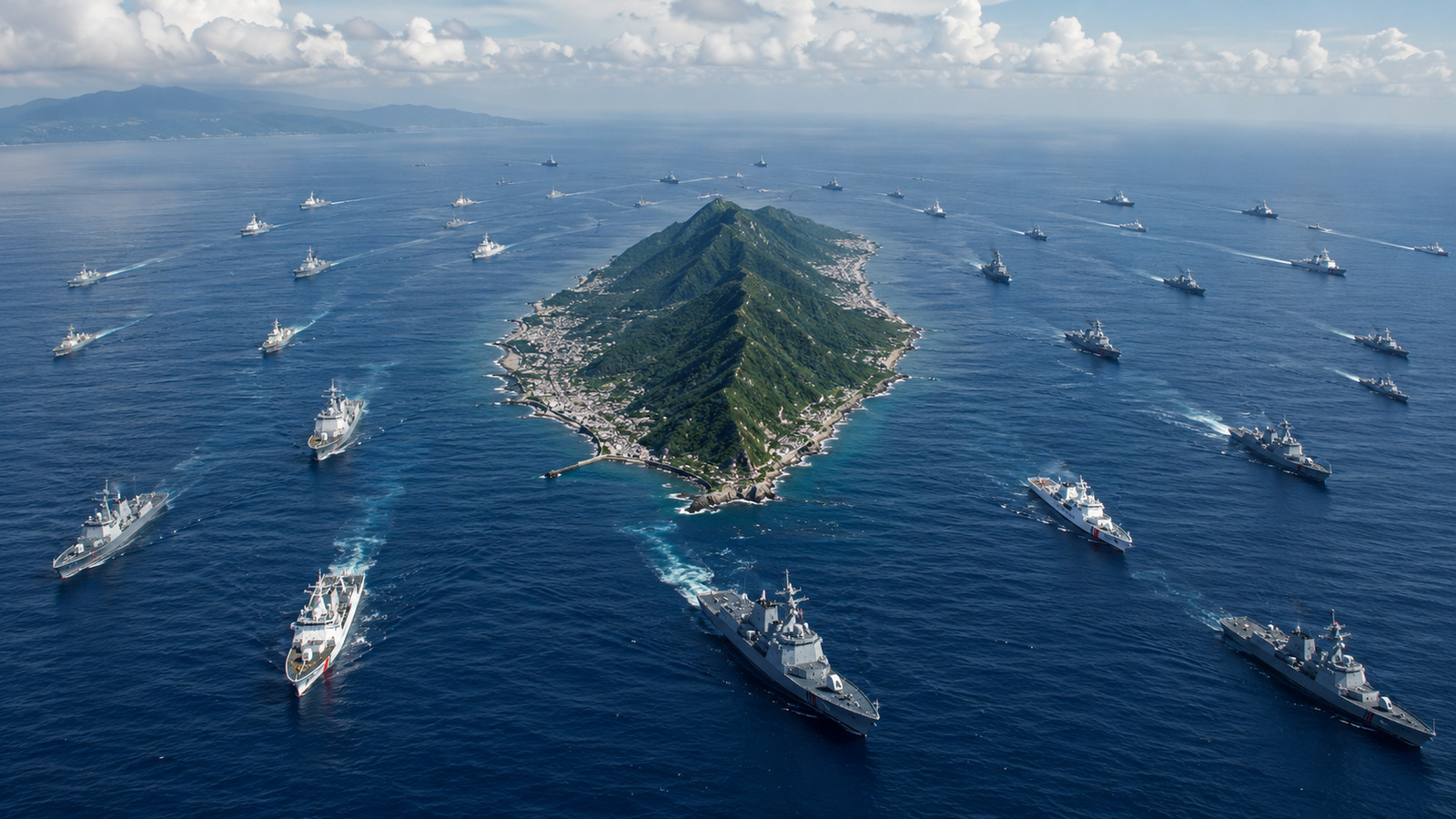
As the political debate intensifies, the United States has significantly increased its military presence in the Middle East. Two aircraft carriers, the USS Abraham Lincoln and the USS Gerald R. Ford, are operating in the region with their respective strike groups, reinforcing immediate response capability.
Experts believe that this level of mobilization is the most substantial since the Iraq War in 2003. The movement is interpreted as a sign of strategic pressure, but it also raises the risk of incidents that could lead to direct confrontation.
Congress Tries to Limit Action Without Formal Authorization
In the Capitol, lawmakers from different parties are working on a preventive response. Congress members Ro Khanna, a Democrat from California, and Thomas Massie, a Republican from Kentucky, are drafting a War Powers resolution that would require explicit Congressional authorization before any attack on Iran.
The proposal arises amid criticism over recent military decisions made without formal legislative approval. For supporters of the measure, the Constitution is clear in assigning Congress the responsibility to authorize armed conflicts, especially in scenarios with the potential for prolonged war.
Negotiations Could Still Change the Course of the Crisis
Despite the White House’s tougher rhetoric, diplomatic channels remain open. A new round of negotiations between the United States and Iran is scheduled to take place in Geneva, and officials believe the meeting could be decisive in reducing tension.
International analysts note that the moment is delicate and that any miscalculation could redefine the geopolitical balance of the region. Amid military alerts, internal political disputes, and diplomatic negotiations, the future of the relationship between Washington and Tehran remains uncertain and under intense global scrutiny.







Be the first to react!