






 Portuguese
  Spanish
  4 min of reading
  0 comments


Chinese Investments in the Port of Santos Expand Brazilian Soybean Exports and Raise Concerns in the United States Amid the Trade War with Washington. Beijing’s Strategy Strengthens State-Owned Enterprises and Places Brazil at the Center of Global Trade.
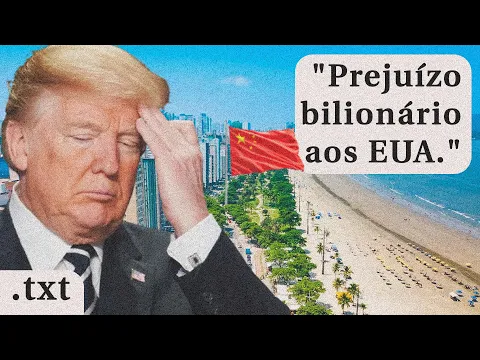
The intensification of Chinese investments in the Port of Santos, in São Paulo, has raised concerns in the United States.
The movement occurs amidst the trade disputes between Washington and Beijing and mainly involves the export of Brazilian soybeans to the Asian market.
The analysis was presented by journalist Álvaro Borba, in a video published on the Arvro channel.
-
Not even the end of the ‘roller coaster’ described by the price of Brent crude oil (the main global benchmark) – which jumped from a price of $72 to $120, then dropped to $76 per barrel – due to the recent peace agreement between the US and Iran, was enough to relieve the Brazilian economy from inflationary pressures.

-
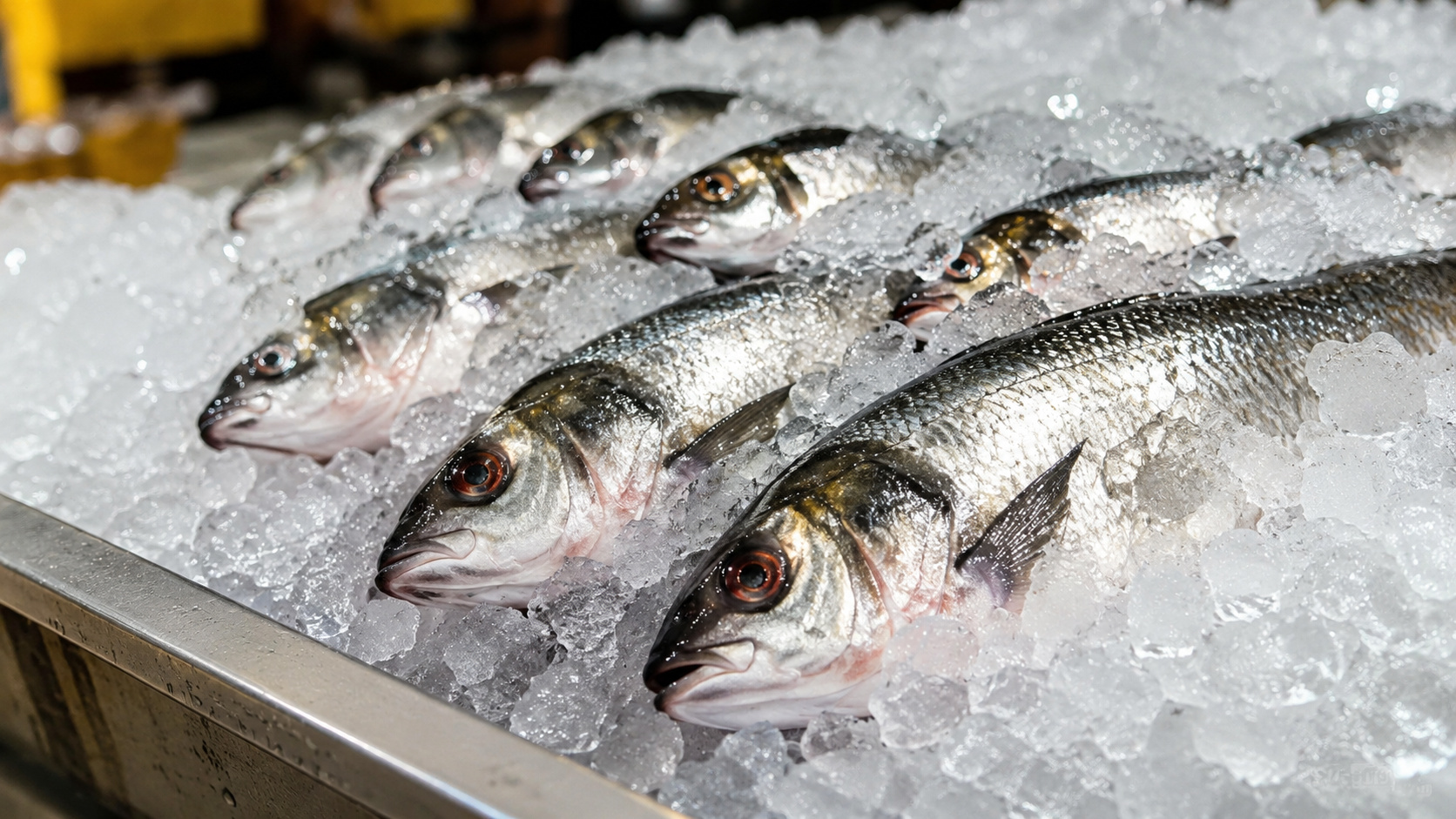
European Union looks again at Brazilian seafood after a nearly 8-year ban and may unlock a coveted market for lobster, tuna, tilapia, and shrimp.

-
Japanese retro sneakers become a sales phenomenon, help Asics achieve record profits, and gain their own operation to target Los Angeles, Milan, and Seoul.
-
Weg is the Brazilian company most exposed to Trump’s tariff hike. The multinational manufacturer of industrial motors and equipment, headquartered in Jaraguá do Sul (SC), is racing against time to reduce the impact of the new U.S. taxation.




Chinese Expansion at the Port of Santos
According to Borba, while attention in Brazil turned to the tariffs imposed by the United States and their political repercussions, Chinese state-owned enterprises have quietly expanded their presence at the Port of Santos.
Ships from Cosco, the state shipping company, have intensified operations at the terminal, which recorded a historic month in cargo handling in July.
According to the port authority, there was a 10% increase in bulk solid shipments, reaching 900 thousand tons.
Container transport also increased, totaling 200 thousand tons during the period.
The Port of Santos, responsible for about 30% of Brazil’s trade balance, experienced its most profitable and busy month.
China’s Strategic Investment
As Borba pointed out, this performance was driven by Beijing’s strategy to secure alternative soybean supply routes amid uncertainties in relations with the United States.
The Chinese state-owned company Cofco, specialized in agribusiness, is building a new terminal at the port with an investment of 285 million dollars, expanding export capacity to directly meet Chinese demand.
For the journalist, this advancement represents significant gains for Brazilian agribusiness but results in direct losses for American producers.
The Wall Street Journal, quoted by Borba, published a report stating that the Santos terminal, valued at 285 million dollars, could cost billions to the U.S. agricultural sector.
The Auction and the Grant for Cofco
Still in the video, Borba explained that the concession for the construction and operation of the terminal was signed in 2022, during a ceremony led by São Paulo Governor Tarcísio de Freitas.
Cofco will have the right to operate the space for 25 years, in exchange for a fixed monthly payment of approximately R$ 3.7 million to the Santos Port Authority, in addition to variable amounts per ton handled.
The contract is expected to generate an annual revenue of around R$ 100 million for the port administration.
Despite this, Borba questions whether the negotiation was advantageous enough for Brazil, considering that Brazilian soybean exports to China exceed 50 billion dollars per year.
International Context of the Tariff War
According to the journalist, the Chinese presence in Santos is not a recent movement but part of a strategy built since the first trade war between the United States and China in 2018.
At that time, Donald Trump’s government imposed tariffs on Chinese products, and Beijing retaliated primarily against the U.S. agricultural sector.
According to data recalled by Borba, the dispute resulted in losses exceeding 27 billion dollars for U.S. farmers.
As a consequence, China began seeking alternative suppliers, finding Brazil as its main agricultural partner.
In 2023, Brazilian food exports to China reached 60 billion dollars, consolidating the country as the largest supplier of grains and meats to the Chinese market.
Port Capacity and Bottlenecks
The Port of Santos handled 180 million tons in 2024, more than half consisting of agricultural products such as soybeans, corn, and sugar.
Currently, more than 90% of the capacity allocated to grains is already in use, according to the Macroinfra consultancy.
For Borba, the construction of the Cofco terminal is a response to this demand.
The state-owned company aims to increase its export capacity from 4 million to 11 million tons annually, reinforcing China’s food security and enhancing the competitiveness of its state-owned enterprises in the global scenario.

Reflections for Brazil
While acknowledging the commercial advantages, Álvaro Borba noted that Brazil could negotiate more favorable conditions, leveraging China’s strategic interest.
He emphasized that the actions of Chinese state-owned enterprises reflect a state policy aimed at protecting the industry and ensuring domestic supply.
The journalist also drew attention to the importance of investments in science and technology in Brazil.
As an example, he cited the contributions of researcher Johanna Döbereiner, whose discoveries revolutionized soybean cultivation and made the country a global reference in the sector.
According to him, if Brazil valued its research and state-owned enterprises more, it could increase its gains in similar international negotiations.
Chinese Strategy and Possible Lessons
Borba emphasized that China learned from the mistakes of the Soviet Union, adopting a more pragmatic and discreet strategy in international expansion.
He compared this posture to the “mineiro style” of “eating quietly”, prioritizing structural advancements over ostentatious displays of power.
For him, the case of Santos illustrates how Beijing anticipates global crises and reinforces its position in international trade.
At the same time, it exposes Brazil’s challenges in valuing its own strategic assets.
In the contest between great powers, the question remains: will Brazil be able to transform partnerships like this into lasting gains for its internal development?






-

1 person reacted to this.