Portuguese
  Spanish




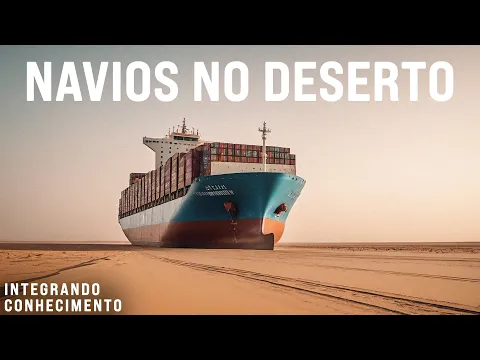
On the Skeleton Coast, Namibia, Shipwrecks Emerge from the Desert Sands, Revealing Stories of Exploration, Shipwrecks, and a German Colonial Past. Discover What Led the Eduard Bohlen and Others to Find Their Final Destination in This Uninviting Place.
The Skeleton Coast, a name that evokes mystery and danger, serves as the final resting place for vessels like the Eduard Bohlen, which ran aground in 1909, and the Dunedin Star in 1942. These shipwrecks, symbols of human struggle against the forces of nature, stand out in a landscape where the dunes of Namibia’s desert slowly consume what was once sea. This place, marked by a rich history of diamond extraction, witnessed the rise and fall of Lüderitz, a German colony, and saw entire towns abandoned as resources were depleted.
The coast, where the world’s oldest desert meets the cold waters of the Atlantic, creates a unique ecosystem. The cold Benguela currents bring nutrients from the seabed, supporting a rich biodiversity and attracting fishermen and whalers since the 19th century. However, this mix of adverse conditions also created one of the most dangerous stretches of navigation in the world, famous for its many shipwrecks.
Skeleton Coast and Technological Advancement
The legacy of Lüderitz reflects the era of German imperialism, when Adolf Lüderitz began exploring lands for diamonds, leading to the establishment of a colony. The frantic search for natural wealth not only shaped the region’s economic destiny but also profoundly impacted local communities and the environment, resulting in abandoned cities and transformed landscapes.
-
The U.S. Navy Conducts Submarine Tests in Idaho Lake to Detect Underwater Noises Hidden by the Ocean

-
Nuclear Submarine USS Alexandria Retired After 35 Years, Having Completed Over 1 Million Miles in Missions

-
MODEC Introduces New Hull Design for FPSO Gato do Mato to Produce Up to 120,000 Barrels of Oil Per Day in Brazil’s Pre-Salt Region
-
This Massive 12-Meter, 21-Ton Underwater Drone Can Operate Autonomously for Up to Five Days


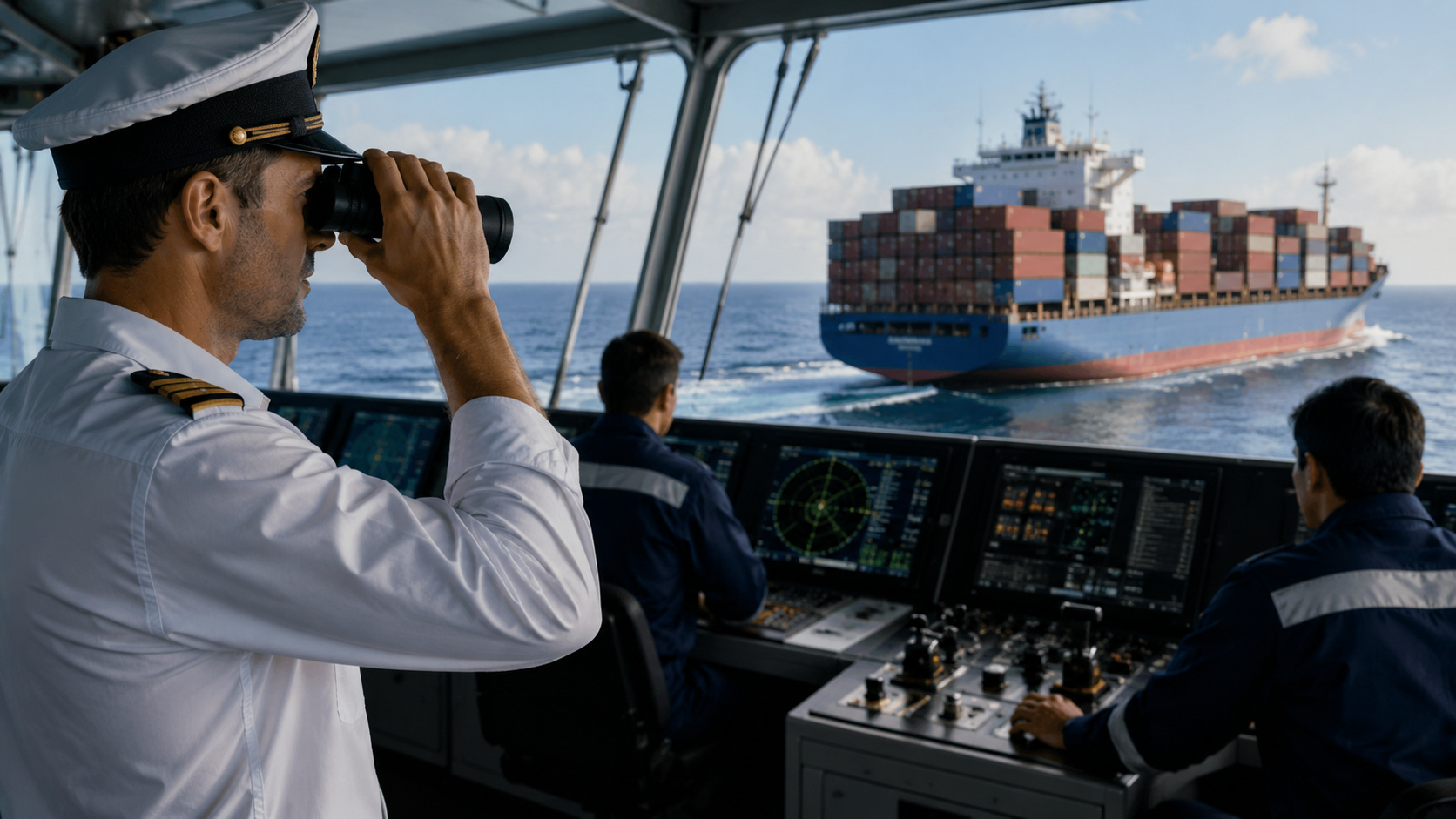
Technological advancements, evidenced by modern navigation systems like ARPA radar, have reduced maritime accidents. However, the Skeleton Coast still claims its toll, such as the Japanese fishing vessel that ran aground in 2018 due to navigation errors. These incidents emphasize the ongoing battle between humanity and natural elements.
And Where Is the World’s Largest Ship Graveyard?
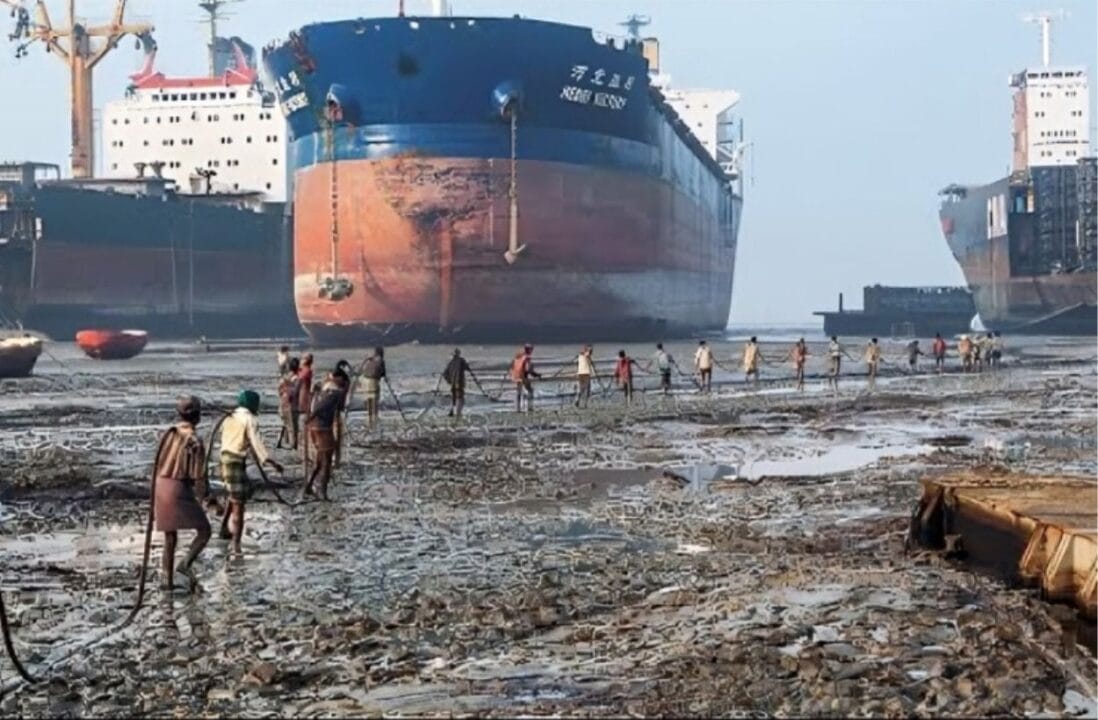
Located in Alang, India, is the largest ship graveyard on the planet. This site is notorious for its extensive shipbreaking, where approximately 700 vessels are dismantled annually.
Ships age and become obsolete after 25 to 30 years of use, due to issues like corrosion and material fatigue. They are then retired and sent to places like Alang to be dismantled. This process not only recovers valuable materials, especially steel, but also raises concerns about harsh working conditions and adverse environmental impacts.
What Happens to Old Ships?

While ship recycling in Alang plays a crucial role in the local economy and resource recovery, the working conditions for laborers and the environmental management of dismantling are subject to international criticism. The lack of adequate safety measures and negligence in handling toxic substances present in old ships pose serious risks to health and the environment.
The allure and curiosity surrounding the shipwrecks on the Skeleton Coast contrast with the reality of shipbreaking in Alang, revealing the ethical and environmental challenges faced by the global shipbuilding industry. While the Skeleton Coast tells stories of a past marked by adventure and exploration, Alang highlights the complexities and consequences of the modern shipbuilding industry and its lifecycle.
Oil, Heavy Metals, and Other Harmful Waste Have Been Absorbed by the Dunes and Nearby Waters, Affecting Local Wildlife
Beyond the fascinating stories of shipwrecks and exploration, the Skeleton Coast also raises important questions about the environmental impact caused by the stranded vessels. Over the years, many of these ships began to decompose, releasing toxic materials and pollutants into the environment. Oil, heavy metals, and other harmful waste have been absorbed by the dunes and nearby waters, affecting local wildlife and the unique biodiversity of the region.
The arid climate of Namibia’s desert, combined with the cold Atlantic currents, slows down the natural decomposition process, causing these wrecks to persist for decades, influencing the ecosystem. The presence of shipwrecks, while an intriguing tourist attraction, also creates the need for greater environmental monitoring to ensure that the beautiful landscapes of the Skeleton Coast continue to be preserved.
Did you enjoy discovering more about the mysteries of the Skeleton Coast and the fascinating world of shipwrecks? What do you think about the stories, curiosities, and environmental impact of this unique region?