





 Portuguese
  English
  Spanish
  5 min of reading
  0 comments


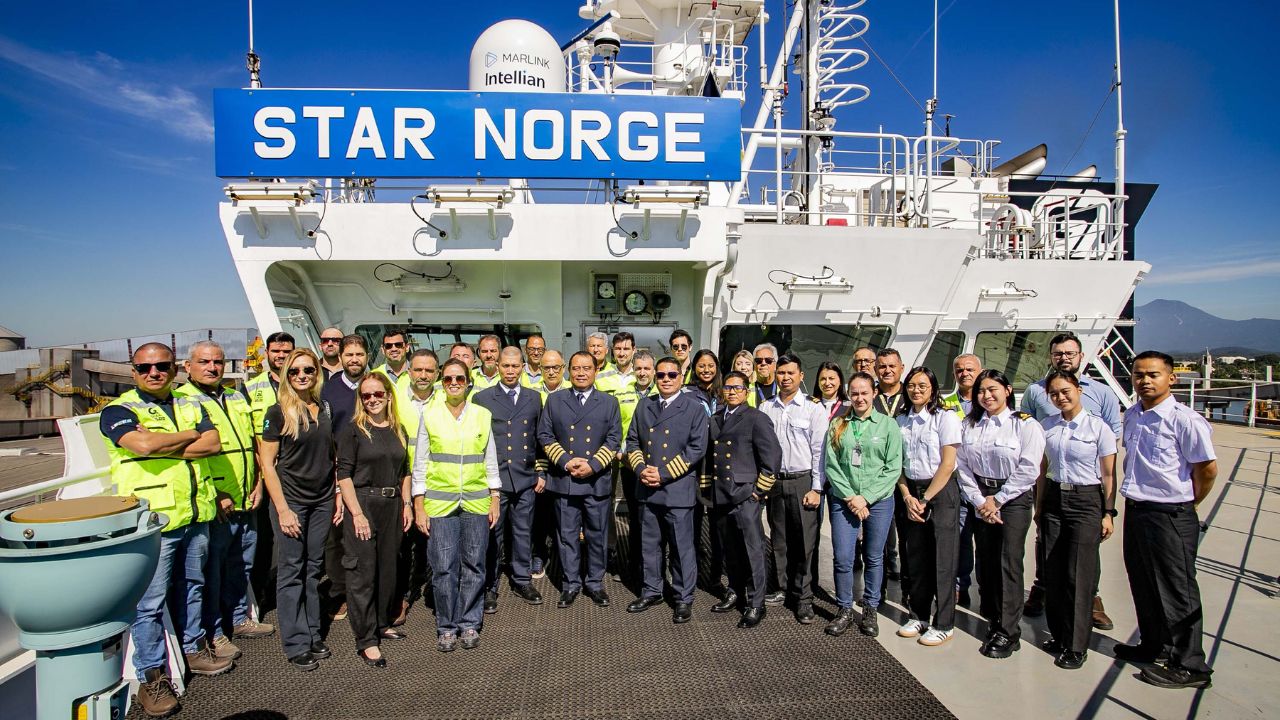
The ship Star Norge, the first sustainable freighter from Norway’s G2 Ocean, docked at the Port of Paranaguá on May 13, 2026, with 14,200 tons of pulp for Brazil.
According to a report by Portos & Navios, it was the vessel’s inaugural voyage in Brazil.
Therefore, the operation marks the entry of the first bulk carrier prepared for alternative fuels on a regular route from Paraná with Norwegian origin.
-
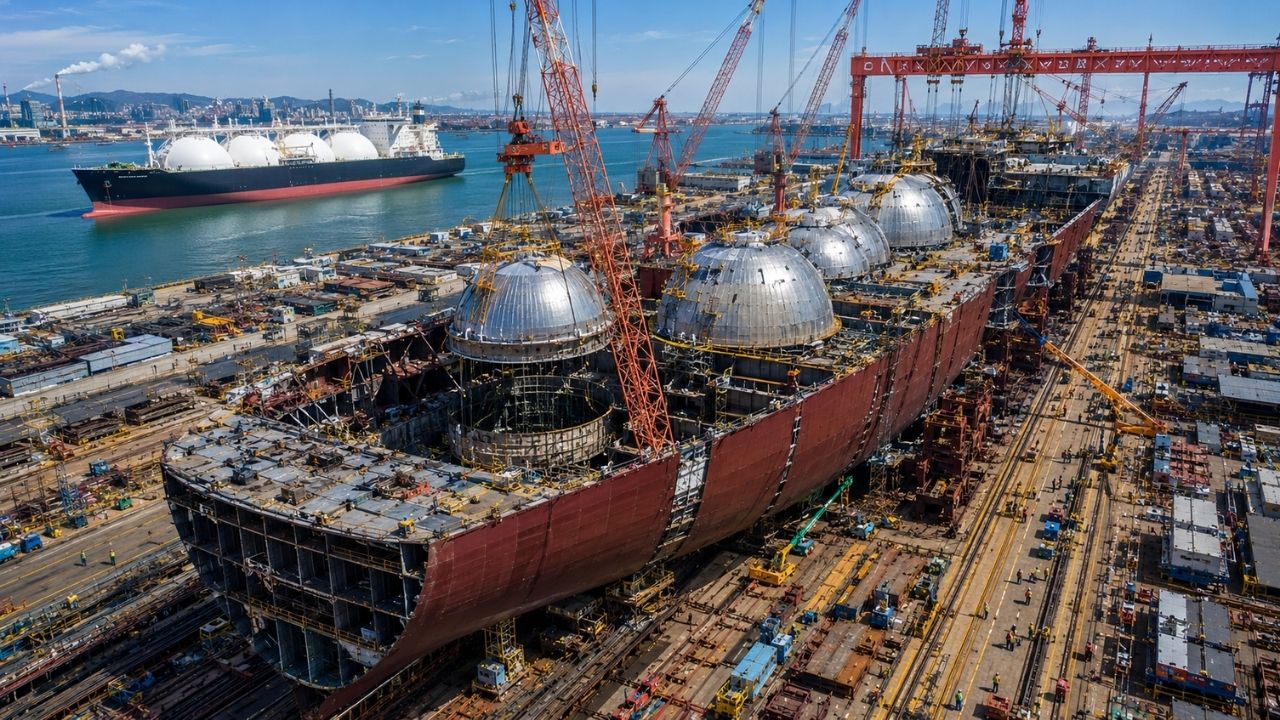
China begins construction of the world’s largest LNG ship, a 344-meter giant capable of supplying 4.7 million homes for a month, carrying 271,000 m³ of gas, and placing QatarEnergy in the largest naval order ever recorded in world history.

-
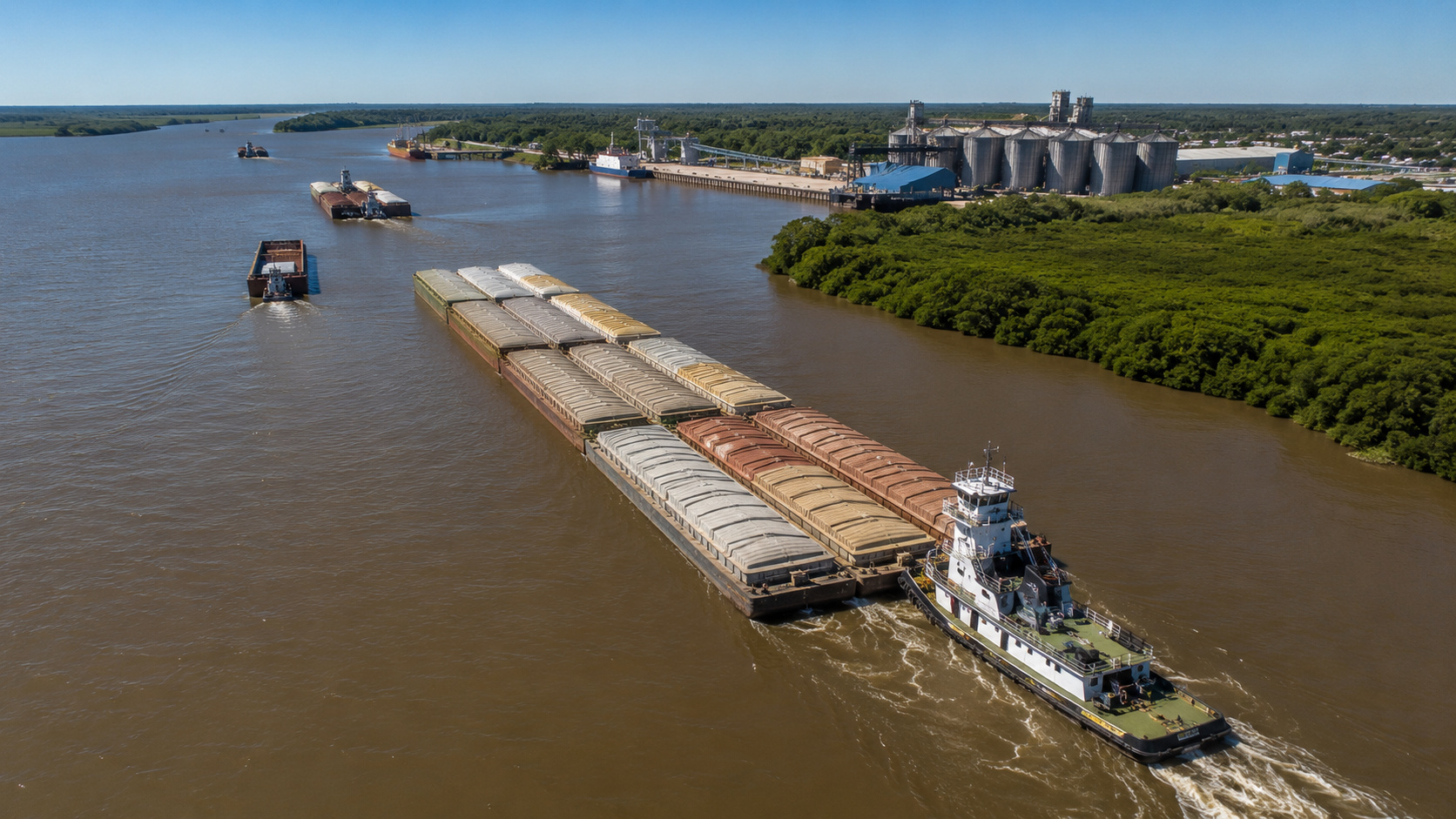
Argentina confirms Belgian giant to lead strategic Paraná River waterway and promises to reduce logistical costs on one of South America’s most important routes

-
China is designing a container ship with a thorium nuclear reactor that will operate for 40 years without refueling, and the 25,000-container giant from Jiangnan Shipyard will cross oceans without emitting carbon in an industry that burns 300 million tons of fuel per year.

-
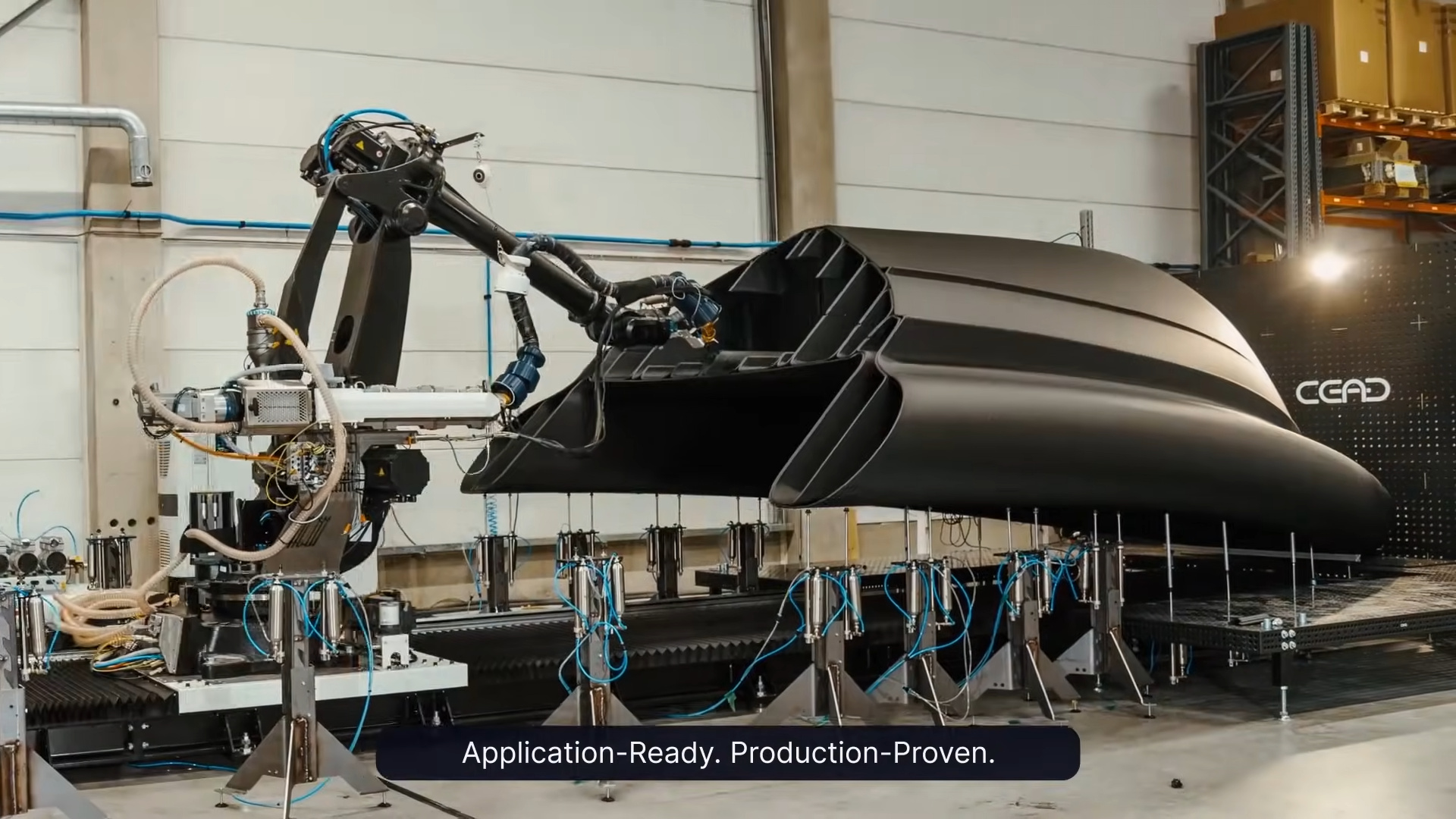
An entire boat came out of the 3D printer without a mold and without seams: CEAD’s giant robot creates hulls up to 12 meters in a single piece, replacing months of shipyard work with code and putting shipbuilding on the brink of a turning point that seems like science fiction.


The ship is 225 meters long and has a total capacity of up to 82,000 tons. The vessel was built in March 2026 at a Chinese shipyard.
According to the International Maritime Organization, the global shipping sector needs to cut emissions by 40% by 2030.
According to G2 Ocean, it is the first of a series of four sustainable ships ordered by the Norwegian shipping company for operations in the Americas.
Karsten Eikeland: the Norwegian CEO of G2 Ocean behind the operation
G2 Ocean is a joint venture between the Norwegian companies Gearbulk and Grieg Star, founded in 2017 in Bergen.
The command was taken by CEO Karsten Eikeland, a Norwegian executive with 23 years of experience in maritime logistics.
According to G2 Ocean, the shipping company operates 130 ships worldwide and moves 25 million tons of dry cargo per year.
The vessel is part of the company’s $1.8 billion energy transition program for the global fleet.
Additionally, the shipping company’s goal is to reduce pollutant gas emissions by 40% by 2030, according to targets set by the International Maritime Organization (IMO).
Why the ship uses a flex engine prepared for methanol and ammonia
The vessel was delivered by the Chinese shipyard Yangzijiang Shipbuilding in March 2026.
According to G2 Ocean, the main engine is a MAN B&W 7G50ME-C9.7, with 9,110 kW of power.
Therefore, the propulsion system is flexible and accepts three fuels: traditional bunker, green methanol, and ammonia, the latter still in the homologation phase.
According to the International Maritime Organization, the global shipping sector accounts for 3% of the world’s CO2 emissions and needs to achieve net-zero emissions by 2050.
Additionally, the freighter consumes 25% less fuel per ton transported than conventional bulk carriers of the same capacity range.

Suzano and Klabin: the Paraná pulp exporters that depend on the Port
The Port of Paranaguá handled 60.2 million tons in 2025, according to the Administration of the Ports of Paranaguá and Antonina (Appa).
According to Appa, pulp and paper represent 18% of the port’s movement.
Therefore, pulp giants like Suzano and Klabin operate in Paranaguá with dedicated export terminals for Europe, Asia, and North America.
The Norwegian freighter entered Paranaguá through the Commercial Quay. The scale lasted 36 hours, with the transshipment of 14,200 tons of pulp from Eldorado Brasil in Três Lagoas-MS.
The next stop for the ship is scheduled for the Port of Santos, where it will receive additional cargo of sugar and soybean meal before setting sail for Asia.
Karsten Eikeland considers expanding Brazil-Norway route to 8 ships by 2027
G2 Ocean is considering expanding the operation to 8 ships on a regular Brazil-Asia route by 2027.
According to Karsten Eikeland, the decision depends on the performance of the first 4 ships in the sustainable series.
According to the shipping company, the sustainable ship has twin siblings that will enter operation in 2026 and 2027: Star Sweden, Star Denmark, and Star Finland.
The four ships together will move 1.8 million tons of cargo annually on South America-North routes.
Additionally, the Brazilian ports that will benefit are Paranaguá, Santos, Suape, Itaqui, and Rio Grande, according to G2 Ocean’s operational planning.

Appa President Luiz Teixeira projects a jump from 60 to 75 million tons by 2030
Appa projects a 25% growth in the movement of the Port of Paranaguá by 2030, reaching 75 million tons.
The expansion plan includes deepening dredging from 11.5 to 13 meters in the access channel.
According to Appa, the total planned investment is R$ 2.4 billion in infrastructure works by 2030.
Therefore, the port will be able to receive larger ships like capesizes of up to 200,000 tons, replacing the current panamax of 80,000 tons.
The freighter anticipates this movement by being designed for alternative fuels required by European Union regulations starting in 2027.
How Star Norge compares to the largest bulk carriers in the world
The bulk carrier falls into the handysize category, a range of freighters with up to 60,000 tons of capacity.
According to BIMCO (Baltic and International Maritime Council), panamax have 60,000-80,000 tons, kamsarmax 80,000-85,000, capesize 100,000-180,000, and VLOC (Very Large Ore Carriers) above 200,000.
- Star Norge (Norway): 225 m, 82,000 t capacity, flex engine, commissioned 2026
- Vale Brasil (Brazil): 360 m, 400,000 t, Valemax class, commissioned 2011
- Pioneer Wave (Japan): 289 m, 180,000 t, capesize, commissioned 2024
- Berge Stahl (Norway): 343 m, 364,000 t, Valemax-precursor class, commissioned 1986
- HHIC Pioneer (South Korea): 285 m, 180,000 t, capesize, commissioned 2023
According to the IMO, the world’s 50,000 cargo ships need to migrate to flex engines in 60% of the fleet by 2030 to meet decarbonization targets.
For comparison with other Brazilian naval innovations, see the coverage of the Tengeh solar park in Singapore and the orbital data center by SpaceX and Google.
Star Sweden, Star Denmark, and Star Finland: the sisters of Star Norge arrive by 2027
G2 Ocean’s schedule plans for three sister ships of the sustainable ship by the end of 2027.
Star Sweden is scheduled for delivery in October 2026 and will begin operations on the Brazil-South Korea route.
Star Denmark arrives in March 2027 to operate between Argentina, Brazil, and China.
Star Finland completes the series in October 2027 with the Brazil-India route, according to G2 Ocean.

The sustainable bulk carrier confirms Brazil’s entry on the map of maritime energy transition routes.
However, for Brazilian ports like Paranaguá, Santos, and Suape, the arrival of flex bulk carriers requires adjustments in bunker facilities and supervision of operational safety with alternative fuels.
Nevertheless, according to Antaq, the National Waterway Transport Agency plans to publish specific regulations for methanol and ammonia still in 2026.
According to official Antaq data, Brazilian ports moved 1.5 billion tons in 2025, with Santos leading alone at 161 million and Paranaguá in second place.
Total movement in Brazilian ports grew 5.3% in 2025, according to the agency’s report.
Therefore, the national maritime logistics sector totaled revenues of R$ 89 billion in 2025 and generated 320,000 direct jobs in port terminals.
Additionally, waterway transport accounts for 95% of Brazilian exports by weight, but only 4% by internal river routes.
According to the Ministry of Ports and Airports, the federal government will invest R$ 28 billion in port modernization between 2026 and 2030 to unlock logistical bottlenecks in Suape, Itaqui, Santos, Paranaguá, and Manaus.








Be the first to react!