






 Portuguese
  Spanish
  4 min of reading
  0 comments


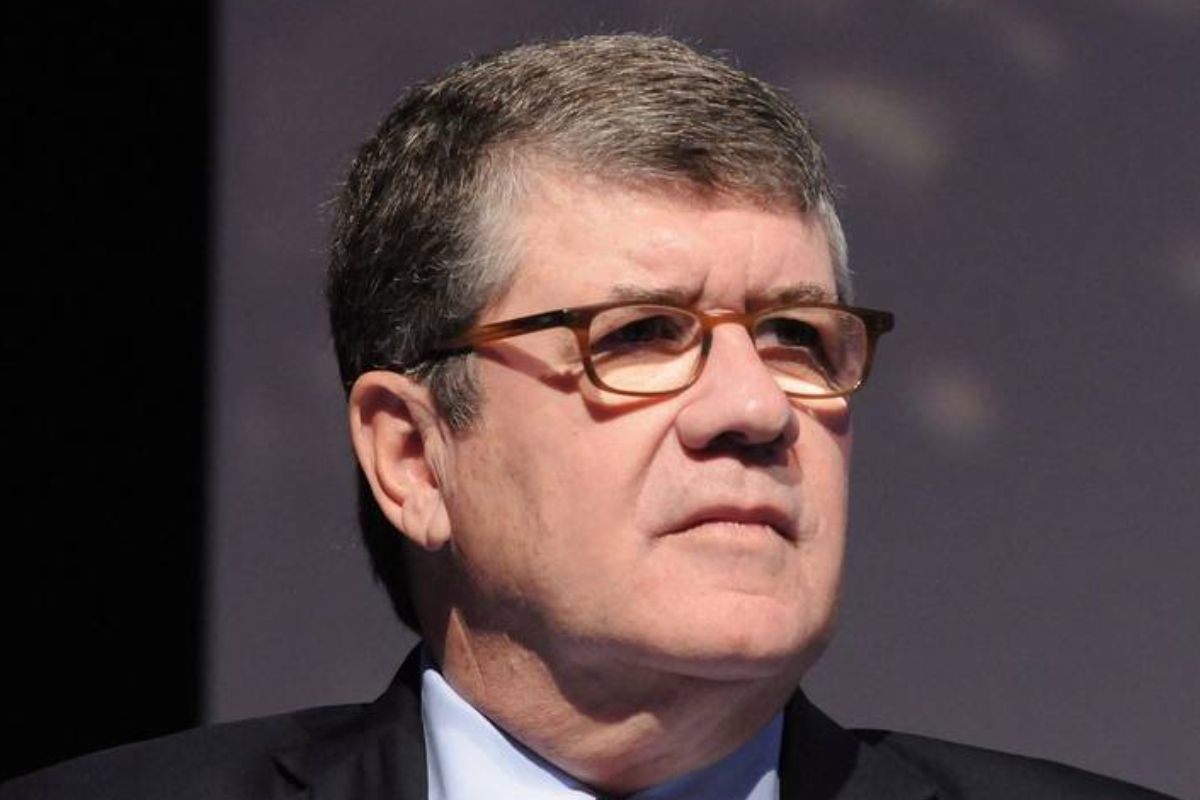
Cosan Group, Led by Rubens Ometto, Faces Crisis After Billion-Dollar Bet on Vale, High Debts and Political Friction.
Rubens Ometto, the man behind Cosan, is facing an unprecedented crisis. The name Cosan carries significant weight in agribusiness, energy, and logistics in Brazil. This billion-dollar empire, which started with sugarcane plantations in the interior of São Paulo, has expanded its business into railways, fuel distribution, and even briefly into mining.
With strategic vision and boldness, the company has grown and become a giant in essential sectors. However, it now faces a financial storm: astronomical debts, plummeting stock prices (in the case of Vale), conflicts with the government, and a billion-dollar bet that has collapsed.
Rise of Cosan: From Sugar to Energy and Logistics Conglomerate

The story of Cosan begins with the Ometto family, Italian immigrants who settled in the Piracicaba region (SP) around 1930 and founded sugar mills. For decades, the group remained strong in the sector but operated regionally. This changed in the 1980s when Rubens Ometto, grandson of the founders, took a prominent role. He transformed the agricultural group into a giant conglomerate, going public, professionalizing management, and investing in new technologies to create the holding company Cosan.
-
It’s not just Bolsa Família: CadÚnico can provide access to seven little-known benefits, including cheaper electricity bills, free interstate travel, microcredit, cisterns, popular phone service, and exemption from fees in public exams and the Enem.

-
Boxer with a fortune of £162 million, Tyson Fury wants to spend £6 million on a private 6.5-acre island to dock his £42 million superyacht near a naval base in the UK.

-
Change in INSS reduces waiting time from 45 to 30 days, prioritizes pensions, revisions, and BPC, and could expedite over 100,000 stalled processes, while employees receive productivity bonuses and the government attempts to reduce a backlog that still exceeds 2.1 million requests.
-
For the first time in history, solar and wind energy generated more electricity than natural gas worldwide in a single month, April 2026, a milestone in the energy transition that shows renewable sources taking the lead in the global electric system.





Initially focused on sugar and ethanol, Cosan expanded into logistics, infrastructure, fuel, and natural gas distribution. Its businesses include Moove (lubricants in over 40 countries) and Compass Gas and Energy (gas distribution, bringing together Comgás, Compagas, and Sulgás). Cosan also manages Radar (agricultural land management with satellite monitoring) and controls Rumo, one of the largest railway operators in the country. A crucial move was the creation of Raízen, a joint venture with Shell, which controls thousands of gas stations, produces sugar, ethanol, and energy, in addition to managing the Shell Select network.
The Billion-Dollar Bet on Vale: The Mistake That Cost Rubens Ometto Dearly
Always seeking to expand, Rubens Ometto led Cosan in a bold move: the purchase of a significant stake in the mining company Vale. In mid-2022, the holding company Cosan spent over R$ 20 billion to acquire up to 6.5% of Vale’s shares. The operation was financed through billion-dollar loans from banks like Itaú and Bradesco, guaranteed by future dividends from subsidiaries like Raízen and Compass.
The strategy was clear: to receive dividends from Vale, gain influence in management, and perhaps appoint a house CEO. However, the move met strong opposition from the federal government, which also had an interest in managing Vale (privatized, but with state influence via pension funds). In the end, neither Cosan nor the government managed to place their candidates for Vale’s presidency. Ometto was left without the desired influence and with a colossal debt.
To make matters worse, Vale’s shares plummeted due to falling iron ore prices, the Chinese slowdown, and the costs of environmental disasters (Mariana and Brumadinho). Shares fell from about R$ 16 at the time of purchase to R$ 8, the lowest value in five years. This devaluation, combined with rising interest rates that increased the debt and reduced dividends paid by Vale, put Cosan in a tight spot. In 2023, pressured, Cosan had to sell its stake in Vale at a loss, leaving a financial hole that it is still trying to cover.
Raízen: The Crown Jewel Also Faces Turbulence
While the investment in Vale was failing, Raízen, one of the group’s largest assets, was also facing difficulties. After going public in 2021 with high hopes, the company encountered challenges. Fluctuating sugar and ethanol prices, competition with gasoline (sometimes cheaper), and high investments in new second-generation ethanol plants consumed a significant portion of cash. Additionally, the expansion of the Oxxo convenience store network, in partnership with Femsa, accumulated initial losses, becoming an additional burden.
Rubens Ometto’s Relationship with Power in Brasília


Rubens Ometto’s relationship with political power has always been a constant. He has navigated well between governments of different spectrums, negotiating policies for his sectors. Curiously, he was one of the first businessmen to meet with Lula after his inauguration, signaling harmony. The expectation was for favorable agreements, as Cosan operates in regulated sectors like fuel and gas.
However, tensions arose with government discussions on tax increases, revisions of ethanol subsidies, and new taxes that could impact Cosan. Ometto, despite having financially supported Lula’s campaign, began to publicly criticize fiscal policy. The frustrated bid for control of Vale also strained the relationship with Brasília. The atmosphere behind the scenes remains tense, as Cosan needs a good institutional relationship but resists measures it considers harmful.






-

-

4 people reacted to this.